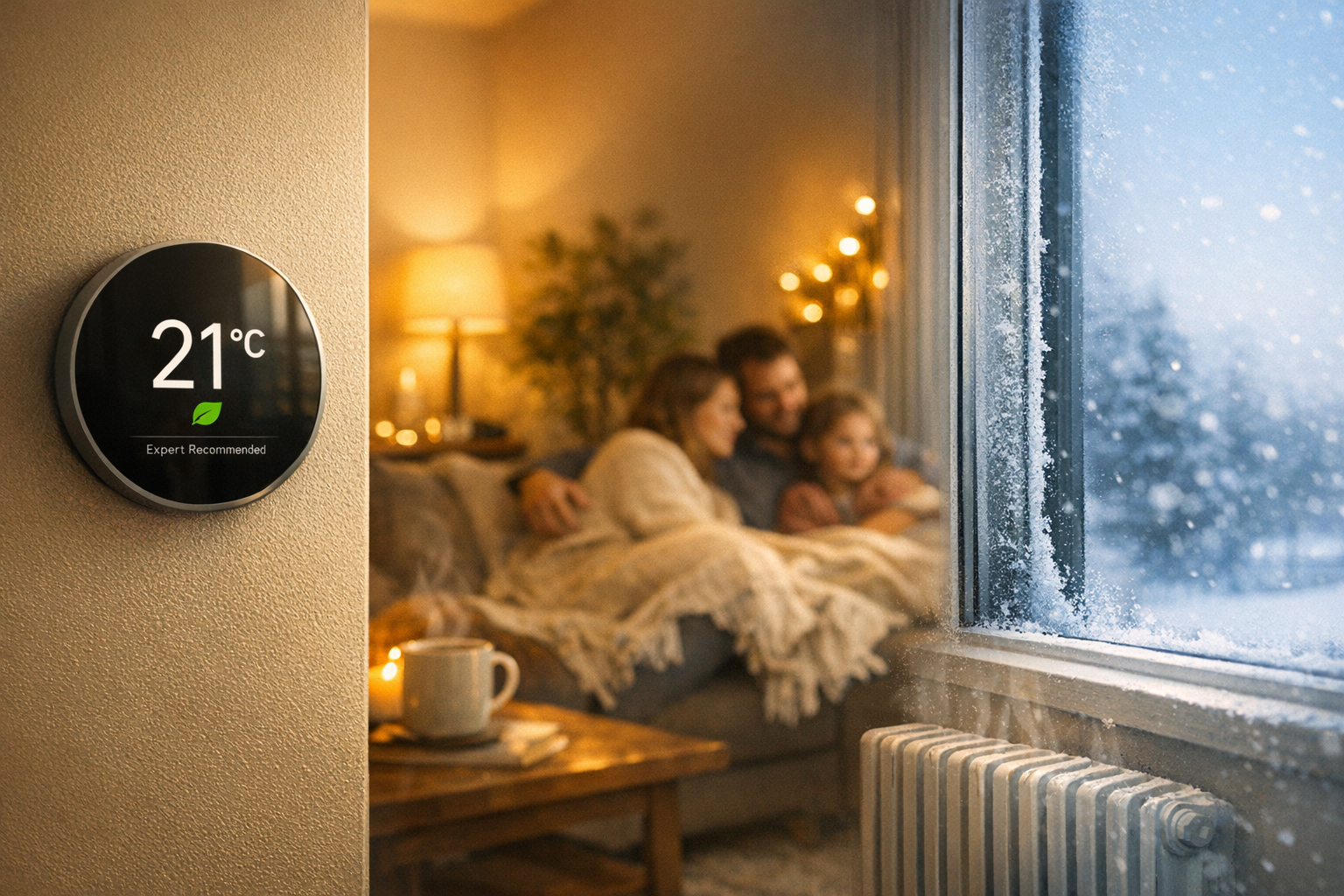
For decades, setting the thermostat to a steady 19 degrees Celsius during winter months was more than just a casual habit among households — it was an unspoken rule, closely tied to both comfort and energy conservation. But this year, experts are turning that norm on its head. As global energy dynamics shift and home heating technology evolves, new recommended indoor temperatures are being proposed to better suit modern living and climate goals.
With energy costs fluctuating and climate dialogues intensifying, what was once considered “just right” for indoor heating is being reevaluated. Researchers and climate specialists are now suggesting a more adaptive approach, one that considers multiple factors like age, activity level, and time of day — all in the interest of promoting health, lowering utility bills, and aligning with sustainability goals. The once-universal 19°C recommendation is no longer set in stone.
This adjustment isn’t just about comfort — it’s a thought shift aimed at optimizing health impacts, reducing emissions, and equipping households with smarter, personalized temperature strategies. Whether you’re heating a small urban apartment or a countryside home, it’s time to reassess your indoor climate game plan.
Key facts at a glance
| Previous temperature guideline | 19°C (66.2°F) |
| New recommended range | 18.5°C to 20.5°C (65.3°F to 68.9°F), depending on household and activity |
| Main reason for reevaluation | Modern lifestyle shifts, updated health data, and variable energy costs |
| Lead authorities behind change | Climate scientists, energy agencies, public health institutions |
| Who should adapt? | Households, landlords, building managers |
| Benefits of adaptation | Improved health, reduced energy bills, increased sustainability |
What changed this year
The shift in heating recommendations is largely driven by updated data on how humans interact with indoor climates, especially during colder seasons. Previously, the 19°C benchmark was framed as both energy-efficient and sufficient for comfort. But recent studies show that this ‘one-size-fits-all’ figure may not serve every demographic equally well.
Strikingly, public health institutions are now factoring in elements like age, household composition, and activity level when recommending temperatures. For example, elderly residents or those with certain health conditions may benefit from slightly warmer settings, while younger or more active persons can thrive with cooler indoor air. With flexibility at the core, the move away from a fixed number aims to accommodate more personalized climatic needs while still emphasizing energy efficiency.
“Rigid temperature targets are outdated. A smart, situational approach to indoor heating aligns better with both public health and climate targets.”
— Dr. Nina Kallström, Environmental Health Researcher
Why indoor temperature matters more than you think
Though temperature may seem like a minor detail, it plays a big role in determining overall wellbeing and energy usage. Lower indoor temperatures can reduce the body’s immune response, potentially inviting illness if not managed wisely, particularly for the elderly or chronically ill. On the other hand, overheated homes may increase dehydration risks and promote sedentary habits.
Strategic heating helps maintain balanced humidity, improves air quality, and creates an environment fit for productivity and relaxation. Furthermore, as global electricity demand rises, making even minor reductions in heating temperatures at scale can translate to major emissions savings.
“A small adjustment of just 1°C can lower your home’s carbon footprint by about 10% over winter months.”
— Lena Hofstetter, Climate Analyst
Different groups, different needs
The departure from the 19°C standard isn’t just about energy—it’s about equity. Not every household can or should operate under the same thermal expectations. For example, families with infants are encouraged to maintain slightly warmer settings around 20°C. Seniors may need similar warmth to avoid health complications from chills or low blood circulation.
On the flip side, healthy adults who spend parts of the day in physical motion — say, working from home, cleaning, or exercising indoors — may find optimal comfort around 18.5°C. The idea here is simple: let your thermostat settings mirror your living habits and needs.
Who qualifies and why it matters
There’s no formal qualification for adjusting your home heating — it’s a universal recommendation, but the motivation behind it varies. Energy-conscious households, budget-sensitive renters, and environmentally focused families are all advised to reconsider how they approach their thermostat settings.
Moreover, housing authorities and landlords are being encouraged to review default heating settings, especially in shared accommodations or social housing where residents may not have full control over individual room temperatures. Ensuring that vulnerable people have access to adequate warmth without financial strain is a top priority for policymakers.
| Winners | Losers |
|---|---|
|
|
How to apply new temperature strategies at home
Implementing this recommendation doesn’t mean sacrificing comfort. Many are encouraged to use programmable thermostats or smart valves to vary temperatures based on time of day and room usage. For instance, keep living rooms at 20°C during peak hours, lower bedroom temperatures to 18°C while sleeping, and reduce heating in unoccupied zones.
Simple improvements — such as layering clothes, using thicker curtains, and sealing window drafts — can also enhance temperature efficiency without needing to raise the heat. The goal is to optimize both expenditure and sustainability, reducing reliance on constant, high-temperature heating strategies.
“Dynamic heating strategies not only help your wallet but also prepare homes for smarter energy grids of the future.”
— Jakob Frantz, Home Energy Consultant
How energy pricing plays a role
Another major factor motivating the new guidance is fluctuating energy costs. Electricity and fuel prices have seen volatility in recent years, and maintaining tight control over indoor temperatures is one of the most direct ways households can manage these expenses.
With heating typically accounting for more than 60% of home energy bills in colder months, scaling down by just a couple degrees offers noticeable savings. This strategy is particularly effective when integrated into broader efficiency upgrades, such as improved insulation and energy-efficient window installations.
Government and expert recommendations
Policymakers and experts are in broad agreement that these temperature guidelines are a step toward both healthier living and a reduced carbon footprint. Some governments are also considering incentive programs to reward eco-conscious heating choices, such as rebates on smart thermostats or home insulation grants.
Though individual countries may differ slightly in their interpretations of the new ideal temperature range, the consensus remains firm: 19°C no longer works as a one-size-fits-all target. A more flexible, responsive heating model is the way forward.
“What we need now is not just efficient homes, but smart occupants who actively engage with their energy usage.”
— Marcel Yuen, Public Policy Specialist
Short FAQs about the indoor temperature shift
Is 19°C bad for your health now?
No, 19°C is not harmful for healthy adults, but it may be inadequate for infants, seniors, or people with certain health conditions. Optimal settings vary per household.
What happens if I raise my thermostat by 1°C?
Raising your thermostat by 1°C can increase your heating bills by up to 7% and carbon output by around 10%. Use adjustments wisely.
Can I save money by lowering the heat?
Yes. Even a 1–1.5°C reduction can lead to significant savings over the heating season, especially when combined with insulation and smart thermostats.
What’s the new ideal temperature range?
Experts recommend keeping indoor temperatures between 18.5°C to 20.5°C, toned for lifestyle and demographic needs.
Do I need to upgrade my heating system?
Not necessarily. Most homes can adapt using programmable thermostats and minor efficiency upgrades. However, older systems may benefit from evaluation.
How do I keep warm at lower temperatures?
Use layered clothing, warm materials, thick curtains, area rugs, heating pads, and block drafts to feel warmer without turning up the heat.
Is this an official government change?
No, it’s a guidance shift recommended by health and energy experts, not a law. It’s designed to help you make better temperature decisions.
What’s the impact on the environment?
Adopting new temperature strategies helps reduce greenhouse gas emissions and aligns with global efforts to mitigate climate change.