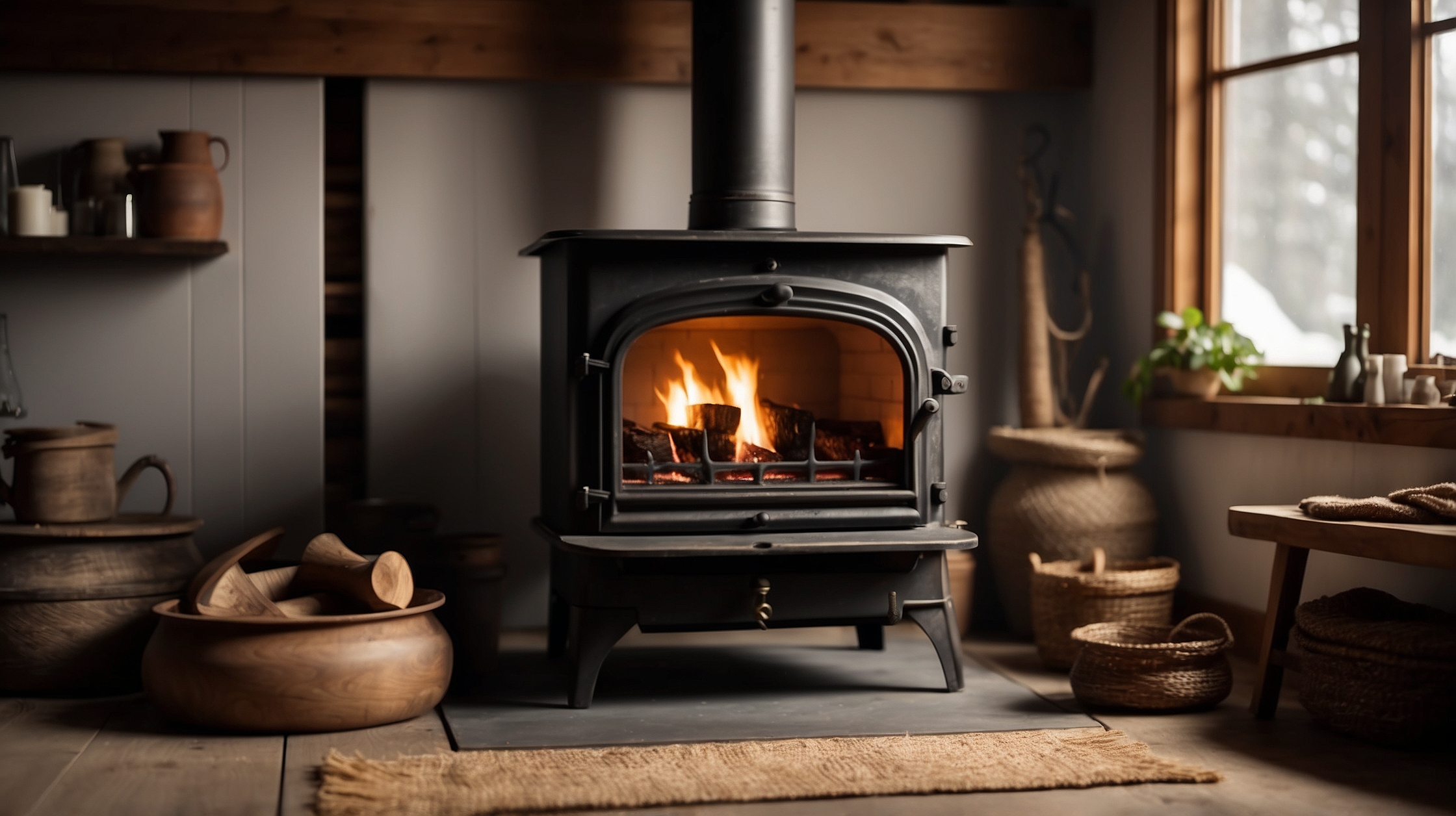
When the cold creeps in and winter settles across the landscape, there’s something particularly comforting about the glow and warmth of a wood stove. More than just a source of heat, it often becomes the heart of the home — a place to gather, reflect, and unwind. But choosing the right wood stove is not a decision to be taken lightly. With countless models, features, and price points, how do you ensure you’re investing in the unit that fits your space, lifestyle, and long-term needs?
For many, the challenge lies not in finding a wood stove, but in understanding what truly matters. Terms like burn efficiency, BTU output, and EPA certification can be overwhelming. For first-time buyers or those upgrading from an older model, it’s easy to get lost in the details or swayed by aesthetics over functionality. Getting it wrong means more than just discomfort — it could cost you in repairs, energy inefficiency, or worse, safety risks.
Fortunately, with the right considerations and a clear checklist, you can avoid these pitfalls. The following guide walks through the five key things to keep in mind when buying a wood stove, offering you the insight needed to make a warm and wise choice this winter.
What to consider before buying your next wood stove
| Factor | Why It Matters |
|---|---|
| Efficiency Rating | Ensures more heat with less wood and lower emissions. |
| Size and Heat Output | Must match the square footage of your space for optimal heating. |
| Material Type | Affects heat retention and longevity of the stove. |
| Ventilation and Safety | Determines installation type and compliance with regulations. |
| Design and Aesthetics | Integrates with your home décor while providing functionality. |
Understanding your heating needs and space
One of the most important considerations is sizing your stove appropriately for the space you want to heat. A stove that’s too small won’t provide enough warmth, while one that’s too large can overheat a room and create safety hazards.
Start by calculating the square footage of the area. As a rule of thumb, you need approximately 20 to 25 BTUs per square foot for adequate heating. For example, a 1,000 square foot room will typically require a stove capable of producing at least 20,000 to 25,000 BTUs.
Additionally, consider the layout of your home. Open floorplans benefit more easily from centralized wood heat, while compartmentalized homes may require a stove with built-in circulation options or supplemental fans.
Efficiency doesn’t just save money — it saves the environment
Modern wood stoves have made enormous strides in fuel efficiency. Look for models that carry the **EPA certification**, which indicates they emit fewer pollutants and use less wood to produce the same amount of heat compared to older units.
High-efficiency stoves can reach efficiency ratings of **up to 80% or more**, translating to cleaner combustion and longer burn times. This means you’ll enjoy more hours of warmth after a single load of wood, reducing the frequency of refueling and minimizing wood waste.
“Modern EPA-certified wood stoves are leaps ahead in reducing particles and smoke, making them a much greener heating choice.”
— Dr. Mikael Johnsen, Biomass Energy Expert
Cast iron, steel, or soapstone — which one is right for you?
Materials matter when it comes to wood stoves. Each type offers distinct advantages in terms of heat retention, visual appeal, and durability.
- Cast iron: Retains heat well and provides a classic, ornate aesthetic. Needs time to heat up, but remains warm for hours after the fire dies down.
- Steel: Heats up quickly and is generally more affordable. Ideal for those who want instant warmth.
- Soapstone: Premium material that offers the best in long-term heat retention. Great for passive heat that lasts overnight, though slower to warm initially.
Choosing the right material depends on your heating habits. Do you want quick warmth in the morning or long-lasting heat throughout the night? Understanding your routine will help guide your decision.
Installation is more than just aesthetics
Don’t underestimate the importance of correct installation. Whether freestanding or insert, wood stoves must be installed with proper chimney ventilation, clearances from combustibles, and safety barriers if needed.
Your local building codes often dictate the specifics of what’s allowed, and in many cases, professional installation is required or strongly recommended. Improper installation not only voids warranties — it could endanger your household through smoke infiltration or fire hazards.
Equally important is ensuring that your stove has relevant safety certifications such as **UL or CSA ratings**, and that carbon monoxide detectors are in place wherever wood-burning appliances are installed.
“Proper installation is just as critical as selecting the stove itself. A poor vent system can make even the highest-rated stove inefficient or unsafe.”
— Lisa Hernandez, Certified HVAC Installer
Style matters — but so does functionality
Today’s wood stoves are no longer merely utilitarian. They come in a wide range of styles, finishes, and designs, from rustic charm to modern minimalism. While it’s tempting to choose based on looks alone, function should always take priority.
Make sure the stove includes key features such as an ash drawer for easy cleaning, options for top or rear flues based on your room layout, and easy-access loading doors. Some premium models even feature glass doors with air wash systems that keep the viewing window clean so you can enjoy the flame without the soot.
Key takeaways from those who have made the switch
| Group | Why They Benefit |
|---|---|
| Homeowners in Rural Areas | Access to firewood and more flexibility with installations |
| Environmentally Conscious Families | Lower emissions and sustainable heat source |
| Budget-Conscious Users | Long-term savings on heating bills |
| Older Homes Without Central Heating | Reliable backup and primary heat source |
Understanding additional features and future needs
As you explore models, consider future-proofing your purchase by choosing a stove with flexible features. For instance, secondary combustion technology not only improves efficiency but reduces emissions by burning off uncombusted gases.
Similarly, catalytic converters built into some high-end stoves can significantly improve particulate emission control — though they may require more maintenance. Optional blowers can help distribute heat more evenly across larger or oddly-shaped rooms.
If you’re thinking about long-term use, opt for a model with interchangeable flue positions and customizable color panels, so it adapts as your home evolves.
FAQs about choosing a wood stove
What’s the ideal BTU for my home size?
Your BTU needs depend on your square footage. Multiply your living space size in square feet by 20–25 to get a rough estimate of the required BTU output.
Is it worth spending more on a high-efficiency model?
Yes. High-efficiency stoves save money in the long run by reducing wood consumption and heating time, while also producing fewer emissions and cleaner burns.
How often should I clean or maintain my stove?
Daily maintenance may include ash removal, while chimney and flue systems should be professionally cleaned at least once a year.
What kind of wood works best in these stoves?
Use seasoned hardwoods such as oak, maple, or ash. Moisture content should be below 20% for optimal combustion and minimal creosote buildup.
Can I install a wood stove in any type of home?
While most homes can accommodate a wood stove with proper ventilation and clearance, always consult installation codes and possibly a professional installer to be safe.
Are there government rebates for buying an EPA-certified stove?
In some areas, rebates or tax credits are available for installing EPA-certified wood stoves under clean energy incentive programs. Check with local regulations or energy departments.
What is secondary burn or secondary combustion?
This functionality reburns gases and particles not caught the first time, increasing heat output and reducing smoke.
Steel or cast iron — which lasts longer?
Cast iron generally lasts longer and retains heat better, while steel heats up faster and is typically more cost-effective.