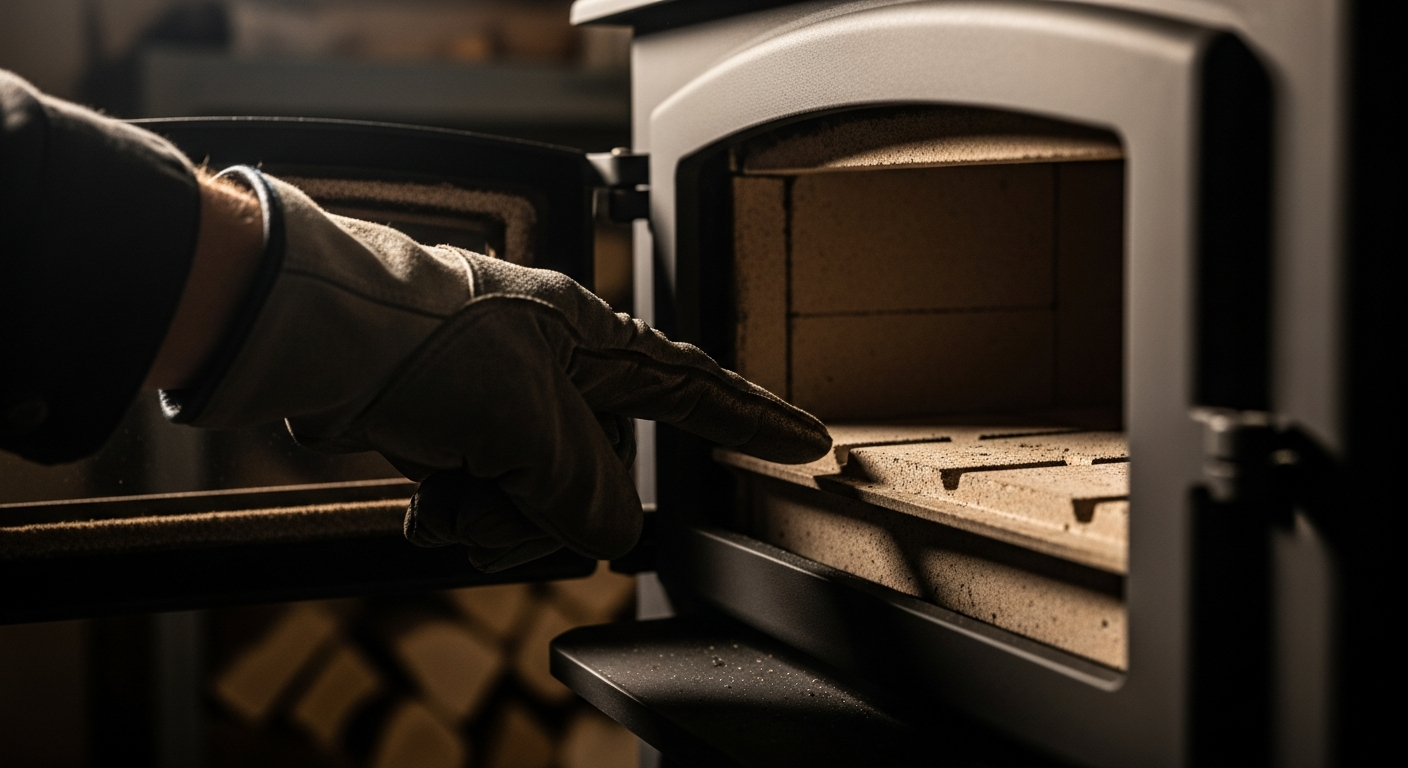
If you’re planning on heating your home with a wood stove, choosing the right one is more critical than ever. With energy costs rising and an increased focus on sustainability, the decision goes far beyond aesthetics. A proper wood stove not only adds warmth and character to your space but also improves efficiency, air quality, and long-term savings when chosen correctly. But with so many models and options on the market, it’s easy to pick the wrong one—one that doesn’t suit your living area, venting limitations, or fuel availability.
Consumers today must navigate a maze of technical specifications, regulatory compliance, and long-term maintenance realities when buying a wood-burning stove. Knowing what to look for can save you from buyer’s remorse and environmental inefficiencies. In this comprehensive guide, we’ll break down the five essential factors to consider when buying a wood stove, offering practical advice rooted in expert recommendations and real-world use cases.
Overview of What to Consider When Choosing a Wood Stove
| Factor | Why It Matters |
|---|---|
| Heating Capacity | Ensures adequate coverage for your square footage |
| Efficiency Ratings | Impacts both fuel cost and environmental footprint |
| Material and Build | Affects durability and heat retention |
| Certified Compliance | Meets EPA and local emissions standards |
| Installation Requirements | Venting and clearance concerns influence placement |
Understanding heating capacity for your living space
The most common mistake buyers make is selecting a stove that’s either too powerful or too weak for their space. A wood stove’s heating capacity is measured in BTUs (British Thermal Units) and is typically matched to the square footage it’s expected to heat. For example, a small space of 500–1,000 square feet might require a stove outputting 25,000–40,000 BTUs, while a larger area of up to 2,500 square feet would need more than 60,000 BTUs. Oversizing a stove leads to short burn cycles, poor combustion, and wasted wood. Conversely, undersizing it spends more fuel and never quite warms your space adequately.
“Know your square footage and find a stove with a BTU rating suited to it. Don’t forget to factor in ceiling height, insulation quality, and number of windows.”
— Mark Hemsworth, Hearth Product Specialist
Why efficiency ratings tell the hidden story
Don’t be fooled by the size and price tags alone—efficiency is where you get long-term value. A wood stove’s efficiency rating defines how well it converts wood into usable heat. Most modern EPA-certified stoves have efficiency ratings above 70%, with some advanced models approaching 85%. An efficient stove requires less wood, emits fewer pollutants, and gives you more consistent warmth throughout the cold months. Always look for stoves labeled with independent lab-tested ratings.
Keep in mind that catalytic wood stoves offer better efficiency at low burn rates by using a catalyst to lower combustion temperatures, extending fuel life. Meanwhile, non-catalytic models use secondary combustion for simpler operation and less maintenance. Each has pros and cons, but both can meet high efficiency when selected properly.
Choosing the right material: steel vs. cast iron vs. soapstone
What your stove is made of profoundly affects how it performs. Steel stoves heat up rapidly and cool down just as fast—a great choice for quick warmth. Cast iron models are heavier and retain heat long after the fire has gone out, offering more radiant warmth over time. Soapstone stoves are less common but loved for their high thermal mass, keeping your room warm long after the fire ends.
Each material also delivers a different aesthetic and price range. While steel is often the most budget-friendly and modern-looking, cast iron provides classic charm and excellent durability. Choose based on both your heating needs and design preferences.
“Cast iron stoves are ideal if you prefer slower, longer heat. If you want quick, responsive performance, steel is better—and cheaper.”
— Lena Ortiz, Energy Efficiency Consultant
Why EPA certification and local codes matter more than ever
Since 2020, wood stoves sold in the U.S. must meet stricter emissions standards set by the Environmental Protection Agency (EPA). These rules limit the amount of harmful smoke and particulates emitted. EPA-certified stoves boast cleaner combustion, increased efficiency, and eligibility for certain tax credits or rebates in some areas. Be sure to verify your stove is compliant not just nationally but also locally. Many states and municipalities have additional restrictions, especially in urban or high air-pollution areas.
Non-compliance can not only result in environmental harm but also affect home insurance and property value. That’s why modern buyers must think beyond looks and price, prioritizing sustainability and regulation adherence.
Installation logistics that can make or break your decision
Before falling in love with a specific model, confirm that your home can accommodate it. Wood stoves require significant clearance from combustible materials, as well as safe chimney or flue installation. Some homes may face limitations based on roof structure, ventilation, floor strength, or local code mandates. Freestanding stoves need heat-resistant flooring, while insert models retrofit into existing fireplaces but may require liner adjustments.
Professional installation is strongly advised. Experts can assess venting options, clearance zones, and safety compliance. Although costly upfront, correct installation ensures optimal stove performance and longevity.
Best practices for operation and maintenance
Once you’ve chosen your stove, ensure it performs well for years by learning basic maintenance. Clean out ash pans weekly, inspect and clean the chimney annually, and use only seasoned hardwood for fuel. Avoid burning treated lumber, painted wood, or trash, as this can release toxins and damage your unit.
Also, learn how to operate your stove’s air controls to balance heat and burn time efficiently. Overfeeding the fire might feel cozy at first, but it reduces lifespan and can lead to creosote buildup.
“80% of wood stove issues stem from poor fuel choices or basic user error. Learn your stove’s operation manual and stick to regular inspections.”
— Robert Yeung, Certified Chimney Sweep
Winners and losers when it comes to wood stoves
| Winners | Why |
|---|---|
| EPA-Certified Stoves | Clean burning, eligible for incentives |
| Homes with proper venting & support | Lower installation costs and safety compliance |
| Users burning seasoned hardwood | Improved efficiency, less creosote |
| Losers | Why |
| Older non-certified stoves | High emissions, non-compliant |
| Uninsulated or oversized rooms | Inefficient heating and overspending |
| DIY installers with no clearance checks | Safety hazards and building code violations |
Frequently Asked Questions
What size wood stove do I need for a 1500 sq ft home?
You’ll need a stove with at least 45,000–60,000 BTUs. Adjust based on insulation, ceiling height, and climate zone.
Are catalytic stoves better than non-catalytic models?
They offer higher efficiency and lower emissions at low burn rates but require more maintenance. Non-catalytic stoves are easier to use and ideal for high heat needs.
Can I install a wood stove in a mobile home?
Yes, but you must choose a model specifically approved for mobile home installation and ensure proper external air intake and secure installation.
Do EPA-certified stoves really make a difference?
Absolutely. They burn cleaner, use less fuel, and comply with environmental standards—often qualifying for rebates.
Is soapstone really better than cast iron or steel?
Soapstone retains heat longer, making it ideal for steady, slow warmth. However, it is more expensive and heavier to install.
How much does it cost to professionally install a wood stove?
Installation costs typically range from $1,000 to $3,000, depending on venting, clearances, and home layout complexity.
How often should I clean my chimney with a wood stove?
At least once a year to remove creosote buildup and inspect structural integrity. High use may require more frequent cleanings.
Can I use any kind of wood in my stove?
No. Only seasoned hardwood like oak, maple, or birch should be used. Avoid green wood or treated lumber for safety and efficiency.