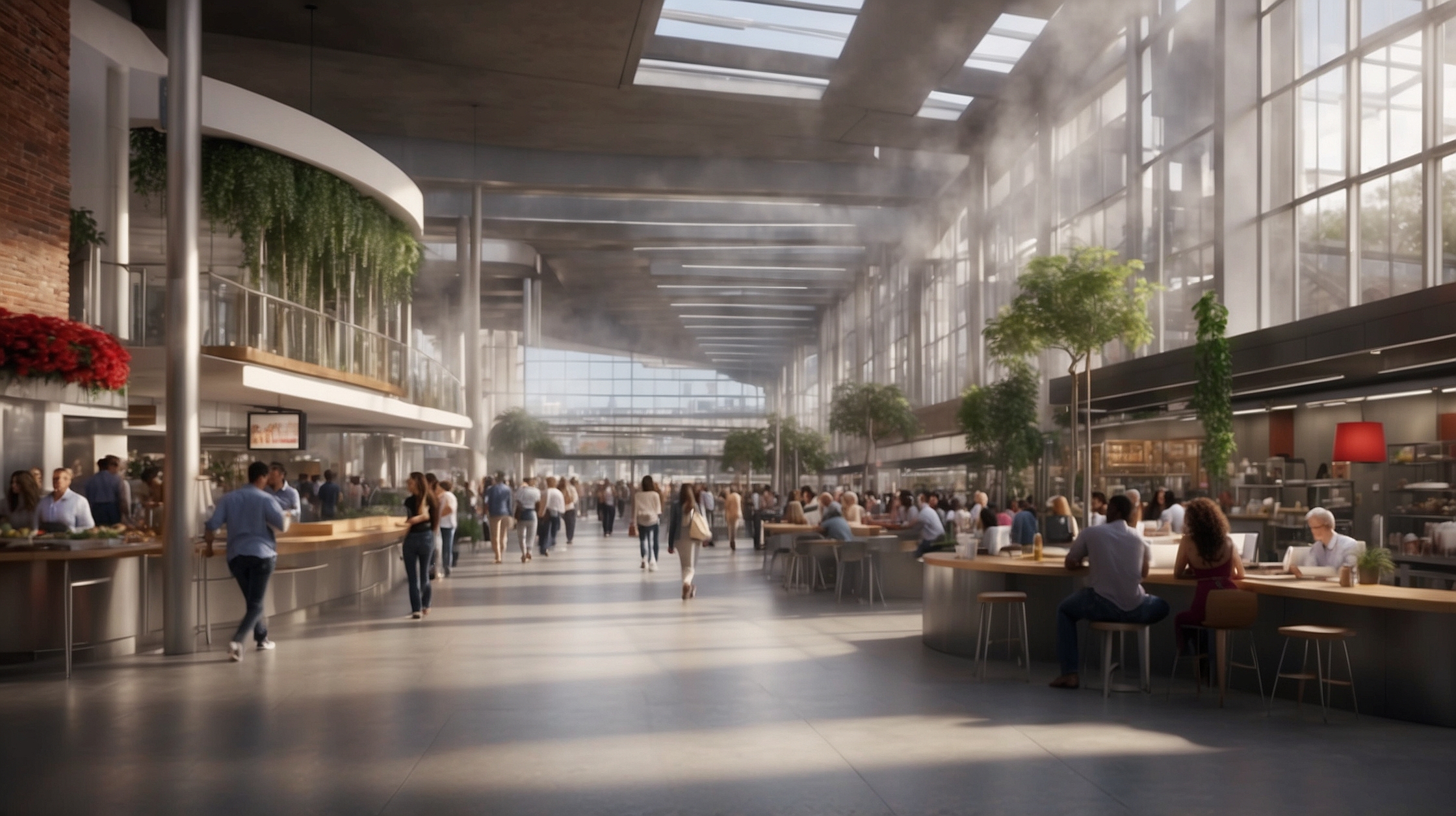
On the outskirts of San Francisco Bay Area, nestled in the largely rural expanse of Solano County, a visionary and controversial plan has emerged—one that could reshape not just the landscape but the very trajectory of urban development in California. Flannery Associates, a shadowy group of investors with deep pockets and deep ambitions, has unveiled their long-gestating idea: a brand-new city, designed from scratch, projected to house over 400,000 residents. While real estate developments often spark local debates, this particular endeavor—dubbed “California Forever”—has ignited a firestorm of media attention, political scrutiny, resident backlash, and cautious optimism.
What sets this proposed city apart isn’t necessarily just its size or location, but the boldness of its vision. Its backers aim to construct a modern metropolis that surpasses even Silicon Valley in planning, sustainability, and opportunity. Drawing inspiration from European urban designs, the new city promises walkable neighborhoods, verdant parks, clean energy infrastructure, and cutting-edge public transit—all on land that was, until recently, farmland bought in secretive transactions totaling $800 million. The effort is now under intense public lens as Flannery seeks voter approval in 2024 for the land-use changes necessary to bring their vision to life.
From economic potential to environmental impact, the project raises many questions: Can a new city truly solve housing issues? Will it generate the jobs and innovation its founders promise? Or is it just a utopian dream pitched by billionaires? Here’s a deep dive into what we know so far.
Key facts about the proposed Solano County city
| Project Name | California Forever |
| Location | Solano County, between Travis Air Force Base and Rio Vista |
| Developer | Flannery Associates, backed by Silicon Valley investors |
| Projected Population | Over 400,000 residents |
| Total Land Acquired | Almost 60,000 acres as of 2023 |
| Proposed Features | Walkable neighborhoods, solar energy, mass transit, job centers |
| Funding Spent So Far | Over $800 million |
| Voter Approval Needed | Yes, on 2024 ballot for zoning changes |
Who is really behind California Forever
Until mid-2023, Flannery Associates operated largely under the radar, quietly purchasing vast stretches of farmland. Their secrecy led to public suspicion and even federal investigations due to proximity to military bases. Eventually, it was revealed that the real power players behind the initiative included some of **Silicon Valley’s most influential investors**, such as LinkedIn co-founder Reid Hoffman, Andreessen Horowitz’s Marc Andreessen, and Laurene Powell Jobs, widow of Apple’s Steve Jobs.
While these figures are typically associated with software and venture capital, their foray into urban development reflects a growing sentiment among tech elite that existing cities have failed to evolve with the times. They hope to demonstrate that a better urban model—founded on sustainability, innovation, and equitable access—is possible when technology and urban planning converge from the ground up.
“Building from scratch gives us the opportunity to incorporate the best practices in transportation, housing, sustainability and job creation.”
— Jan Sramek, Founder of Flannery Associates
How the new city hopes to redefine living
The creators of California Forever have laid out an ambitious urban vision that sharply contrasts with the sprawling, car-centric developments typical of California’s recent past. Drawings and early design materials present a walkable, Euro-inspired layout rich with green spaces, protected bike lanes, and solar energy grids. Single-family homes, townhouses, and apartments are grouped around commerce districts designed to foster community and reduce reliance on vehicles.
The development also aims to prioritize **sustainable energy and water management**, both critical components given California’s ongoing battles with climate change and drought. If successful, the city could become a model for future urban planning not only in the U.S. but globally. However, critics argue that such a project’s true sustainability will depend on tight zoning laws, equitable affordability, and long-term governance structures.
Why the military raised concerns
One notable point of tension stems from Flannery’s substantial land purchases near **Travis Air Force Base**, a major strategic hub. Initially unaware of who was acquiring land, defense officials grew concerned, leading to federal and state investigations. Though the mystery has been resolved regarding ownership, the base and regional lawmakers have raised flags over whether the development could interfere with operations or become a future security headache.
“Any development near military installations requires careful coordination to prevent unintended consequences.”
— Rep. John Garamendi, U.S. Congressman (D-CA)
What Solano County residents think so far
The people of Solano County have met the project with mixed reactions. While some residents are intrigued by the possibility of new jobs, infrastructure, and tax revenues, others feel blindsided and betrayed by how the land was quietly acquired, often from multigenerational family farms. Opposition movements have already formed under banners like “Solano Together,” urging voters to reject the project unless deeper community engagement and environmental assessments are conducted.
Local leaders argue that **real transparency and public input** must be part of any transformation of this scale. Flannery has announced a “listening tour” to engage residents ahead of its 2024 ballot initiative, but whether that will be enough to sway wary voters remains to be seen.
Potential winners and losers if the city becomes reality
| Winners | Losers |
|---|---|
| Urban planners and architects | Current rural landowners with no intention to sell |
| Technology investors and job seekers | Environmental protectors concerned about development scale |
| Construction and infrastructure firms | Local residents worried about displacement or higher taxes |
| Affordable housing advocates (if promises are kept) | Military interests if base operations are affected |
What could go wrong along the way
Despite its futuristic promise, the California Forever plan faces significant hurdles before the first building goes up. Chief among these are **zoning changes** required from Solano County voters. Proving that the development won’t agitate agricultural protections or permanently degrade ecosystems will require robust environmental reports, economic forecasts, and political goodwill. Additionally, there’s the unpredictable nature of elections—voter skepticism could derail the project before it begins.
There are also practical concerns: Can the infrastructure support 400,000 people? Will transportation planning reduce congestion or repeat existing mistakes? And will developers follow through on promises of affordable housing, or will market forces transform the development into another exclusive tech enclave?
“We’ve heard grand visions before, but we need safeguards to ensure this isn’t just another playground for the wealthy.”
— Placeholder Quote, Urban Planning Expert
What to expect between now and 2024
The next 12 months will be pivotal. Flannery and its allies are preparing a **multi-million dollar outreach and PR campaign** to present their vision to voters, while community groups are gearing up for counter-campaigns. Environmental reviews and potential lawsuits could also delay or reshape the final proposal. If the 2024 ballot measure passes, excavation and early-stage development could begin by 2025–2026.
California Forever is more than just a real estate project—it’s a test of whether big tech can translate its disruption ethos to the very ground we live on. Supporters envision a high-tech utopia. Detractors fear displacement, gentrification, and ecological harm. The truth may lie somewhere in-between, but for now, all eyes are on Solano County.
Frequently asked questions about the new California city project
What is California Forever?
California Forever is the name given to the proposed new city project in Solano County designed to eventually house more than 400,000 residents with a focus on sustainability and walkability.
Where exactly is the city planned to be built?
The city is proposed for eastern Solano County, on land largely situated between Travis Air Force Base and the town of Rio Vista.
Who is backing the project financially?
Funding comes from prominent Silicon Valley investors, including Reid Hoffman, Marc Andreessen, and Laurene Powell Jobs, among others.
Will the project need voter approval?
Yes, Solano County voters must approve land-use changes via a ballot initiative planned for 2024.
Why are some people opposed to it?
Concerns include land purchasing secrecy, potential environmental harm, impact on local communities, and risks to Travis Air Force Base operations.
Is the city guaranteed to get built?
No. The project faces several hurdles including zoning, environmental review, and the 2024 public vote.
How much land has already been purchased?
Flannery Associates has acquired close to 60,000 acres of land since 2018.
What features will the city include?
Designs suggest walkable neighborhoods, solar energy systems, mass transit infrastructure, public parks, and job centers.