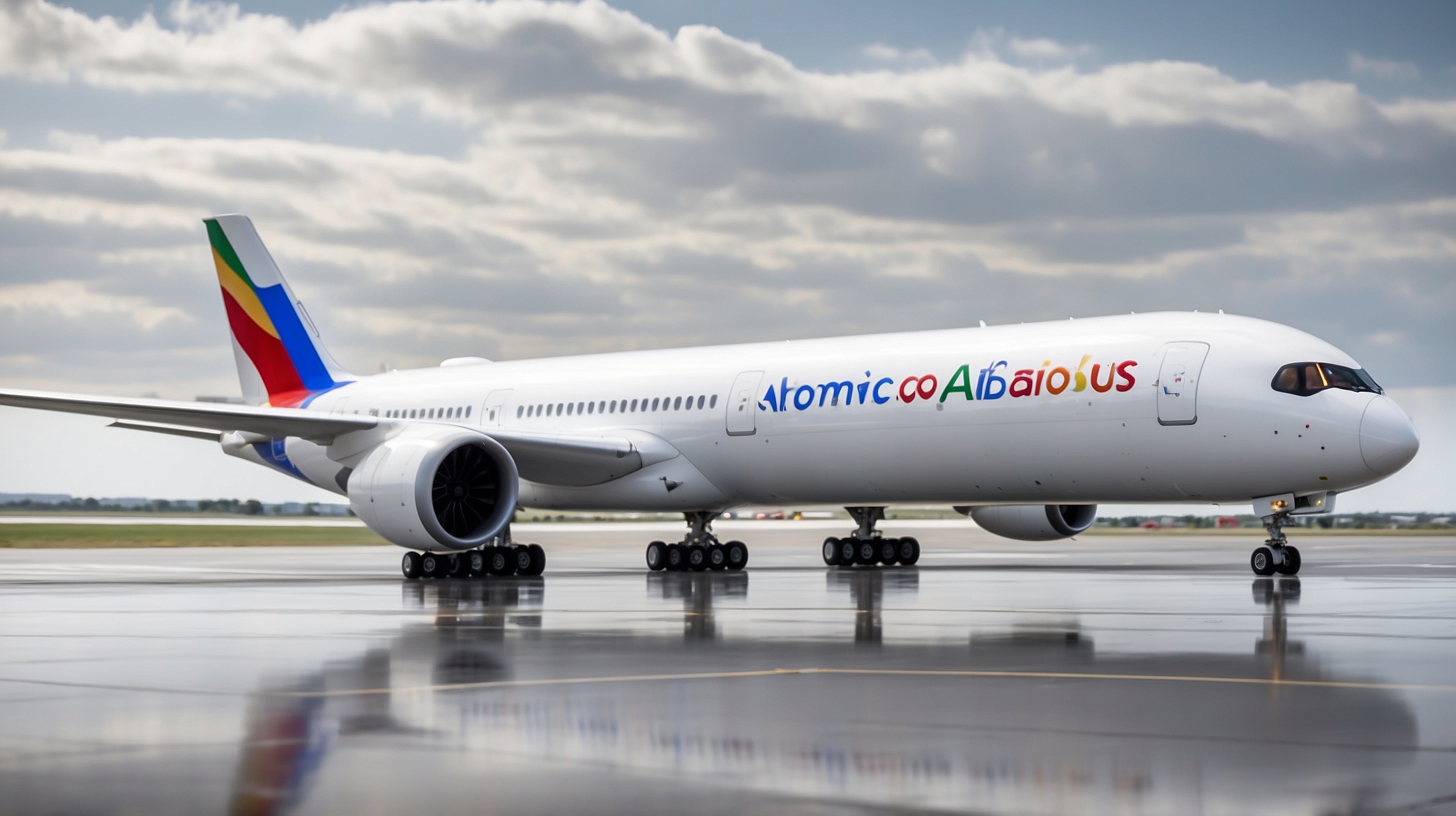
In the world of aviation, milestones are more than just numbers — they’re powerful indicators of prowess, trust, and endurance in a fiercely competitive industry. Airbus, the European aerospace giant, just celebrated one such moment with its flagship widebody family — a milestone that not only underscores Airbus’s momentum but also positions it more firmly ahead of Boeing in one of the most high-stakes battles in commercial aerospace.
This latest achievement isn’t merely a ceremonial number. As air travel rebounds and airlines resume fleet upgrades post-pandemic, every delivery, every order, and every satisfied operator paints a clearer picture of who truly leads the widebody segment. According to reports, Airbus has delivered more than 2,500 aircraft in its widebody programs, a symbolic milestone that reflects not only longevity but increasing dominance over Boeing’s comparable offerings, particularly as deliveries and backlogs tell a compelling story of customer confidence and strategic prowess.
Let’s take a closer look at what exactly this milestone means, why it matters, and what it says about the future of long-haul aviation as the industry embraces new efficiencies, passenger comfort, and global connectivity.
Widebody aircraft at a glance
| Model | Manufacturer | First Delivery | Total Delivered (2024) | Main Competitor |
|---|---|---|---|---|
| A330 | Airbus | 1994 | 1,600+ | Boeing 767 / 787 |
| A350 | Airbus | 2015 | 570+ | Boeing 787 / 777X |
| 787 Dreamliner | Boeing | 2011 | 1,100+ | Airbus A350 |
| 777 | Boeing | 1995 | 1,700+ | Airbus A350 |
What changed this year for Airbus widebody aircraft
This year, Airbus passed a symbolic new milestone: over **2,500 total widebody deliveries** — cementing its long-standing strategy of producing versatile, fuel-efficient aircraft that airlines actually want, and need, especially in a post-COVID world that demands both flexibility and cost-efficiency.
Driving this surge are two key models: the reliable **A330** and the next-generation **A350**. The A330, originally introduced in the 1990s but revived with the **A330neo**, continues to be a strong performer in terms of sales and operational trustworthiness. Meanwhile, the **A350**, designed to rival Boeing’s Dreamliner and modern 777 series, has grown steadily to become the leading choice for many international carriers prioritizing efficiency and passenger comfort.
Airbus’s strategy of continually updating its designs instead of launching entirely new platforms allowed it to control development costs and deliver aircraft quickly while incorporating new technologies — a major reason why airlines appear to have more confidence in them right now.
Why Airbus is pulling ahead of Boeing
While both companies have runs of success across their respective models, **Airbus’s consistency in deliveries** during key timeframes — particularly despite supply chain challenges — has been critical in pulling ahead of Boeing. This is especially true following Boeing’s turbulent years marked by the 737 MAX crisis, delays in the 777X program, and ongoing scrutiny by regulators.
The **A350 has emerged as a particularly strong competitor** to Boeing’s 787. Designed with long-haul efficiency and cutting-edge materials, the A350 attracts leading carriers worldwide, from Qatar Airways and Singapore Airlines to Lufthansa and Delta. In tandem, the A330neo’s ability to fulfill both regional and intercontinental missions at a lower cost appeals to budget and full-service airlines alike.
“The strength of Airbus’s widebody portfolio lies in its adaptability. Airlines don’t just want aircraft — they want solutions that evolve with their networks.”
— Aviation Strategy Analyst (Placeholder)
Inside the widebody order book surge
Beyond deliveries, backlogs are another key indicator of future performance — and Airbus’s widebody backlog is looking robust. The total number on order speaks volumes about **market trust** and **market expectations**. According to industry insiders, current widebody backlogs at Airbus include:
- Over 700 A350s on order
- More than 200 A330neos in backlog
Airlines are increasingly aligning their fleet strategies with fuel efficiency mandates, carbon goals, and pilot commonality requirements — all areas where Airbus excels. The **common cockpit philosophy** across the A330 and A350 family reduces training needs and increases deployment flexibility for airlines.
Competitor Boeing, meanwhile, continues to face certification delays for the 777X and a more scattered product update roadmap. Although the **787 Dreamliner remains very competitive**, lack of delivery consistency has dulled its momentum relative to Airbus’s smooth, incremental progress.
Winners and losers in the new widebody race
| Winner | Why |
|---|---|
| Airbus | Cross-model commonality, strong delivery execution, financially efficient upgrades |
| Airlines | Access to modern, reliable, fuel-efficient aircraft with reduced crew-training costs |
| Passengers | Enhanced cabin experience with updated tech and quieter engines |
| Loser | Why |
| Boeing | Program delays, delivery inconsistencies, and reputational setbacks |
| Smaller carriers | Delivery slot scarcity due to high demand and lengthening backlogs |
What this milestone means for future competition
This milestone will shape the competition for decades to come. With Airbus pulling ahead in widebody deliveries and maintaining strong momentum in new orders, Boeing must now focus on resolving its certification issues and demonstrating greater transparency and reliability in its schedule commitments. Meanwhile, **fleet modernization efforts all over the world** increasingly lean toward Airbus for its performance and ecosystem synergy benefits, especially in mixed-fleet environments.
While Boeing’s upcoming **777X** and rejuvenated 787 delivery efforts may help it regain some ground, Airbus’s forward-thinking product development and **modular fleet strategies** have earned higher marks for real-world adaptability.
“Delivering 2,500 widebody aircraft is impressive, but what it really shows is Airbus’s capacity to industrialize innovation without compromising quality.”
— Laura Jensen, Aerospace Industry Consultant
Short FAQs on Airbus widebody achievements
How many widebody aircraft has Airbus delivered as of 2024?
As of 2024, Airbus has delivered over 2,500 widebody aircraft, including both A330 and A350 models.
What models count toward Airbus’s widebody milestones?
The milestone includes deliveries of the A330 family (including the A330neo) and the A350 family.
Which Airbus widebody is the most popular?
The A330 family leads in total deliveries with over 1,600 units, though the A350 is growing quickly in popularity among long-haul carriers.
How does Airbus compare with Boeing in widebody deliveries?
While Boeing still leads in total 777 deliveries, Airbus has gained ground in overall widebody deliveries and has a significant backlog, reflecting growing operator preference.
Why is the A350 considered a Boeing Dreamliner competitor?
Because of its advanced materials, fuel efficiency, and long range, the A350 directly competes with Boeing’s 787 and 777X models.
What advantages does Airbus offer to airlines?
Airbus provides **cockpit commonality**, flexible range options, and strong maintenance support, helping airlines reduce operating costs and training demands.
Will Boeing catch up in widebody sales?
It’s possible, but **Boeing faces strong headwinds** including regulatory delays for new models and rebuilding trust following prior safety concerns.
What is the industry impact of Airbus reaching 2,500 widebody deliveries?
This milestone sends a powerful signal that Airbus’s approach to innovation, delivery, and airline relationship-building is outpacing its main U.S. rival, shaping long-term market dynamics in its favor.