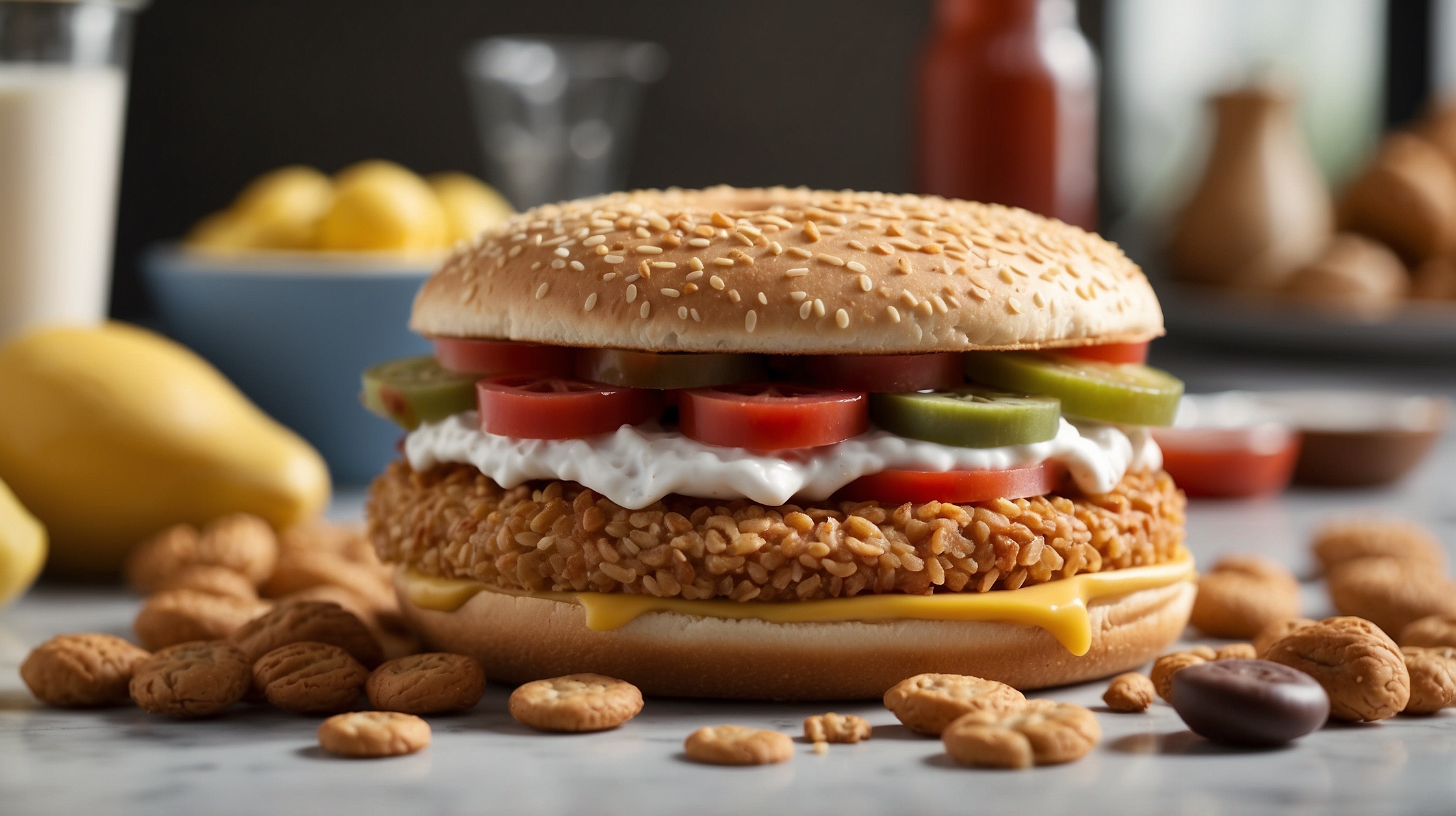
Late at night, as the world winds down and the hum of distractions fades away, you might find yourself standing in the kitchen, hand in the cereal box or uninterestedly unwrapping a snack. The craving doesn’t roar like hunger. It’s more of a whisper — a subtle tug nudging you toward the fridge. If you’ve ever wondered whether you’re truly hungry or just bored, you’re not alone. For millions of people, the line between boredom and actual hunger is blurred, and that distinction matters more than you might think.
Over the past few years, our eating behaviors have evolved, driven in part by stress, overstimulation, and a culture of instant gratification. We’re a generation of grazers, snacking more than ever before — not out of necessity, but out of habit and emotion. Experts are now pointing to a growing phenomenon: **boredom eating**, a pattern rooted not in physiological need but in emotional and psychological triggers.
This rising trend may seem harmless — after all, what’s one extra granola bar? But constant snacking can have surprising consequences on our health, mood, and long-term relationship with food. It’s time to explore what sets boredom hunger apart from true appetite and how changing our habits can pave the way toward more mindful, intentional living.
Understanding the difference between real hunger and emotional snacking
| Aspect | True Hunger | Boredom or Emotional Hunger |
|---|---|---|
| Comes on gradually | Yes | No, often sudden |
| Open to various foods | Yes | Typically specific (e.g., salty, sugary snacks) |
| Stomach rumbling | Yes | No |
| Guilt after eating | No | Often |
| Satisfaction post eating | Yes | Typically unsatisfied |
Why many people confuse boredom with hunger
Imagine working a long day and finally settling down on your couch. There’s no stress from tasks, no immediate needs. That quiet, empty space can feel uncomfortable — and this is where the snack craving kicks in. **Boredom eating** is often a psychological response to this lack of stimulation or loneliness. Our brains, seeking something to engage with, turn to food for easy gratification.
Unlike **true hunger**, which arises out of nutritional need, **boredom triggers what’s known as hedonic hunger** — the urge to eat for pleasure, not necessity. You’re not eating to fuel your body; you’re eating to fill emotional or cognitive voids.
“Many people mistake their emotional state for physical hunger, leading them to eat when their bodies don’t need food.”
— Dr. Karen Davis, Behavioral Nutrition Specialist
The science behind emotional and boredom-triggered eating
Emotional eating is directly linked to how the brain processes **dopamine** — the neurotransmitter associated with pleasure. Consuming sugary or high-fat foods stimulates dopamine release, temporarily creating a mood boost. In the absence of real hunger signals, our brains develop *learned associations* between food and feeling better.
Over time, this pattern becomes **habitual**. You’re stressed? Eat. You’re bored? Snack. Feeling down? Grab comfort food. These behaviors condition our brains and disconnect us from our bodies’ actual hunger signals.
What drives the constant urge to snack
Several key factors are fueling our obsession with snacking, especially when we feel inactive or understimulated:
- Constant access to food: With snacks always within reach — at home, work, or on our phones via delivery — instant gratification is easier than ever.
- Digital distractions: Mindless scrolling, binge-watching, and game-playing often lead to mindless eating. The attention isn’t on our bodies — it’s on screens.
- Stress and uncertainty: Chronic stress makes the body crave quick energy sources. Add anxiety to boredom, and snacks feel like a solution.
- Lack of routine: People who skip meals, eat irregularly, or lack a daily structure are more prone to snack randomly and emotionally.
Real health risks behind constant snacking
Occasional snacking isn’t necessarily harmful, especially when choosing nutrient-rich options. However, **chronic mindless snacking** can lead to:
- Weight gain: Regular intake of unneeded calories, especially in the form of processed snacks, contributes to gradual weight increases.
- Blood sugar fluctuations: Eating high-sugar snacks causes insulin spikes, followed by crashes — leaving you hungrier and moodier.
- Dysregulated hunger cues: Constant snacking numbs the body’s natural signals, making it harder to know when you’re actually full or hungry.
- Increased risk of chronic disease: Obesity and insulin resistance are gateway risks to Type 2 diabetes, cardiovascular disease, and even liver complications.
“We’ve seen a 30% rise in patient cases linked to grazing habits that began simply as eating out of boredom.”
— Dr. Samuel Yee, Endocrinologist
How to stop eating when you’re just bored
The silver lining? Habits can be reshaped. Here’s how to switch from emotional snacking to mindful nourishment:
- Pause and check in: Before eating, ask yourself: Am I really hungry? Assess physical cues like stomach growling or energy levels.
- Delay the urge: Wait 10–15 minutes after identifying the craving. Often, the urge will pass if it wasn’t rooted in hunger.
- Drink water: Thirst is often mistaken for hunger. A glass of water might satisfy the body and reduce the compulsion to snack.
- Engage your mind: Replace food as a fix. Try journaling, reading, or stretching to shift focus away from eating.
- Enable boundaries: Avoid eating in front of screens. This encourages portion control and increases awareness of fullness.
Winners and losers of this behavioral shift
| Group | Impact |
|---|---|
| Snack food industry | Winner — Profits soar as on-the-go snacks dominate shelves |
| Healthcare systems | Loser — More cases of obesity, diabetes, and emotional eating disorders |
| Consumers | Mixed — Convenience vs. long-term health implications |
| Mental health experts | Winner — Rising demand for therapy around emotional regulation |
Practical ways to build healthier food relationships
One of the best strategies is developing what psychologists label as **mindful eating**: the practice of being fully present during meals and snacks, engaging all senses, and paying attention to the body’s signals. You can start today with small, sustainable changes:
- Establish consistent mealtimes.
- Designate “no snacking” zones in the house, especially near screens.
- Pre-portion snacks instead of eating from large packages.
- Keep a food-mood journal for a week — what you ate and why. Patterns will emerge.
“Awareness is the first step to behavior change. When people realize their eating isn’t tied to hunger, that realization alone lowers the urge.”
— Michelle Tran, Certified Holistic Health Coach
Short FAQs about boredom eating and snacking
What causes boredom hunger?
Boredom hunger typically stems from emotional triggers or environmental boredom, not from genuine nutritional need. It’s a habit formed when eating becomes a default response to feeling unstimulated.
How can I tell if I’m truly hungry?
True hunger develops gradually, is not food-specific, and includes physical symptoms like stomach growling, low energy, or irritability.
Can snacking be healthy?
Yes, when done mindfully and includes nutrient-rich options like fruits, nuts, or yogurt. The problem lies in unconscious or emotional snacking.
Why do I snack more when I’m watching TV?
Screen time distracts from bodily hunger signals, leading to mindless eating. Also, cue-based behavior reinforces eating as part of a screen ritual.
How can I break the habit of boredom snacking?
Use strategies like delaying the craving, drinking water, journaling, or replacing food with mentally absorbing activities.
Is boredom eating the same as emotional eating?
They are related but not identical. Emotional eating usually addresses strong emotions; boredom eating arises from lack of stimulation or disengagement.
Does stress increase emotional snacking?
Absolutely. Stress triggers the release of cortisol, making the body crave high-fat or sugary foods for quick comfort and energy.
Can therapy help with emotional snacking?
Yes, cognitive behavioral therapy (CBT) and mindfulness-based therapy are highly effective in addressing emotional eating habits.