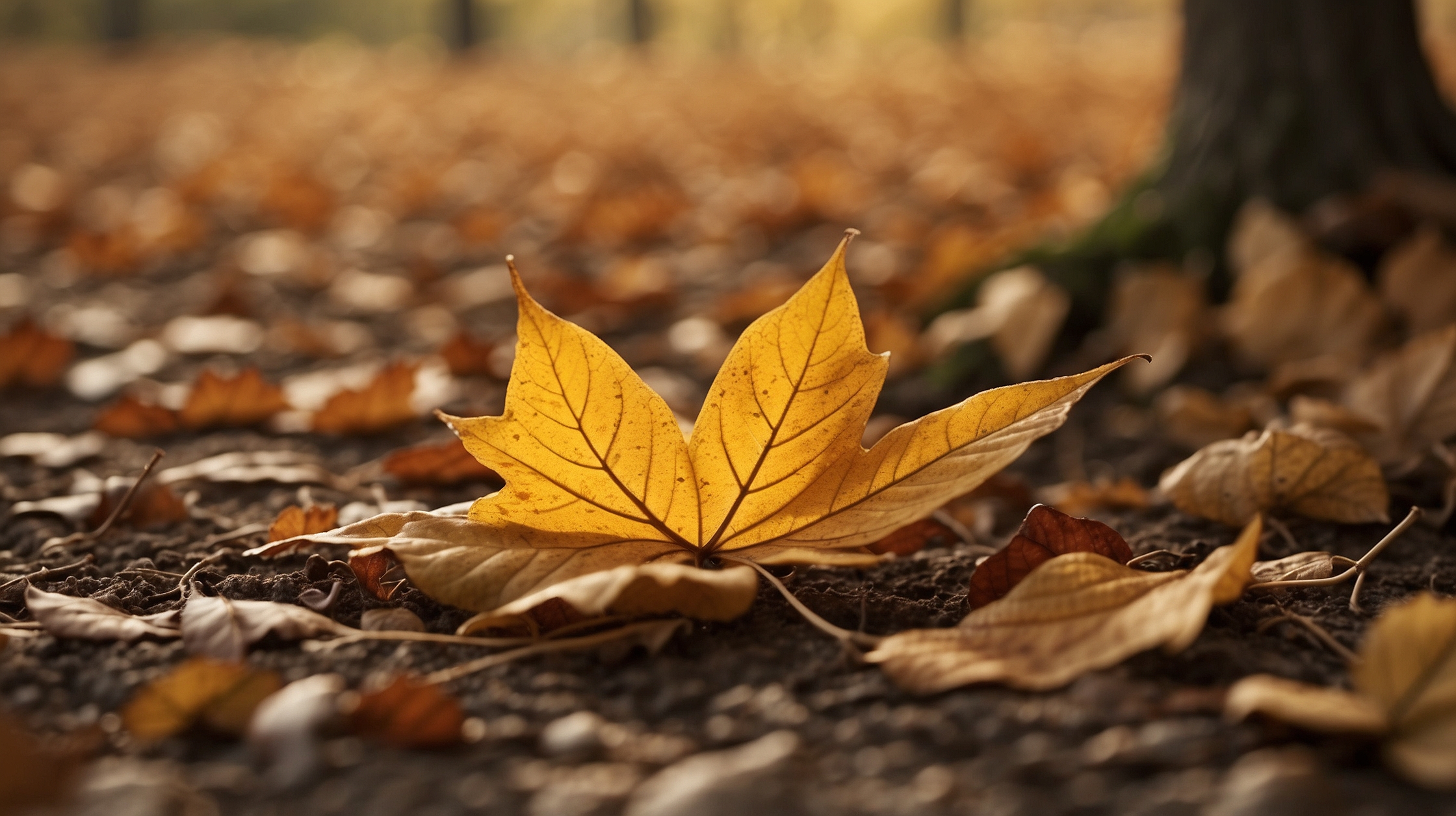
As autumn rolls in and trees begin shedding their colorful leaves, homeowners across the country pull out their rakes, blowers, and leaf bags in a familiar seasonal ritual. The sight of neat, leaf-free lawns may signal the perfect yard to many, but what if this tidy tradition is contributing to deeper harm than most realize? Year after year, gardeners repeat one common mistake during the fall season—and according to soil experts, it’s having a far-reaching impact on the health of our gardens, biodiversity, and even climate resilience.
Every autumn, billions of leaves are raked, bagged, and hauled off to landfills or municipal compost facilities. While the process may seem harmless or even necessary, growing ecological research highlights that this widespread practice strips the soil of crucial organic material, disrupts natural habitats, and accelerates the degradation of soil structure. It’s time to rethink how we deal with fallen foliage—and it starts by understanding what’s really at stake beneath our feet.
This isn’t just a debate about neatness versus natural beauty. The latest insights from horticulturists and environmental scientists drive home a startling truth: removing leaves may be doing our gardens and ecosystems more harm than good. Here’s why keeping those crispy leaves where they fall can be one of the most powerful steps homeowners can take toward a healthier, more sustainable landscape.
Key takeaways about fall leaf removal and soil health
| Topic | Details |
|---|---|
| Common Mistake | Raking and removing all fallen leaves from lawns and gardens |
| Impact on Soil | Leads to nutrient depletion and weakens soil microbiome |
| Environmental Effects | Disrupts habitats for pollinators and increases landfill waste |
| Expert Recommendation | Leave the leaves or mulch them to enrich the soil naturally |
| Biggest Benefit | Stronger, healthier soil and increased biodiversity in your yard |
Why leaf removal became a widespread habit
The leaf-clearing trend traces back to early 20th century urban landscaping philosophies, which prioritized symmetry, control, and manicured aesthetics over ecological balance. Neat lawns became a symbol of discipline and order, often enforced through neighborhood associations and city ordinances. Over time, this practice transitioned from a preference to a norm, cementing the act of raking leaves as a marker of responsible homeownership.
But this historical perspective left out a crucial voice: the soil itself. In natural forest systems, fallen leaves play an integral role in nutrient cycling. They compost in place, creating a rich layer of organic material known as humus, which feeds soil microbes, improves water retention, and provides insulation during cold months. Removing this natural mulch interrupts that cycle, leaving garden beds exposed and less fertile over time.
How removing leaves harms your garden
When leaves are taken away from gardens and lawns, several cascading effects follow:
- Nutrient loss: Leaves are nature’s fertilizer, rich in carbon, magnesium, and other essential minerals. Removing them deprives the soil of these natural nutrients.
- Weaker soil structure: Without the organic matter from decomposing leaves, soil becomes compacted and loses its ability to support healthy plant roots.
- Disrupted microhabitats: Valuable insects—including bees and butterflies—rely on leaf litter for overwintering. Eliminating this cover reduces insect biodiversity dramatically.
- Increased reliance on chemical fertilizers: As organic inputs decline, gardeners often compensate with synthetic products, creating dependency and harming native soil bacteria.
“When we clear leaves, we’re clearing away the very layer that acts like a natural blanket for our gardens. It’s life support for the soil.”
— Dr. Mia Sanderson, Soil Ecologist
What changed this year
With climate change intensifying and a renewed focus on soil health, experts are ringing the alarm about the long-ignored cost of leaf removal. Environmental campaigns have pushed for homeowners and groundskeepers to adopt more regenerative practices—and “leaving the leaves” has become one of the simplest steps toward a solution.
Additionally, drought conditions across the United States in recent years have compelled gardeners to pay closer attention to water efficiency and soil retention. Leaves provide critical protection against cold winds, nutrient leaching, and frost. By skipping fall cleanup or using a mulching mower to break down leaves into smaller pieces, homeowners can achieve healthier spring blooms without additional watering or fertilization.
Who benefits from keeping leaves in place
| Winners | Losers |
|---|---|
| Soil Microbes | Landfill Facilities |
| Native Pollinators | Chemical Fertilizer Industry |
| Birds and Small Mammals | Pest Control Services (Reduced Demand) |
| Gardeners with healthier yards | Homeowners with time-consuming raking habits |
How to manage leaves sustainably
You don’t have to give up curb appeal or garden health in order to adopt an eco-friendly approach to autumn leaves. Here are some practical techniques supported by environmental experts:
- Mulch in place: Use a mower with a mulching blade to shred the leaves for faster decomposition. This mulch nourishes soil and prevents weed growth.
- Create leaf compost: Pile leaves in a composting bin or corner of your yard. Combined with a nitrogen source like grass clippings, they break down into valuable compost.
- Protect garden beds: Use whole leaves as insulation over perennial and vegetable beds. In spring, simply turn them into the soil or compost them further.
- Designate leaf sanctuaries: Leave undisturbed leaf piles in shady corners to support insect populations and overwintering pollinators.
“Just a thin layer of mulch from fallen leaves can reduce irrigation needs and dramatically improve root health.”
— Karen Lewis, Horticulture Extension Agent
Exceptions to consider
While leaving leaves in place is beneficial in most garden settings, there are a few scenarios where removal or repositioning may be wise:
- Thick mats on turf: An overly dense leaf layer can smother grass or trap mold. In these cases, shredding or partial relocation is recommended.
- Invasive species: Some leaves, like those from diseased trees or invasive species, should be removed and properly disposed of to prevent spread.
- Homeowner associations: Regulations in some residential areas may enforce leaf cleanup policies. Check local guidelines before making changes.
The long-term benefits of changing course
Shifting away from automatic leaf removal fosters a more balanced and resilient ecosystem in your own backyard. Over time, you’ll notice:
- Improved soil structure that supports deeper plant roots
- More nutrient-dense crops and flowering bulbs in spring
- Reduced dependency on synthetic fertilizers
- Higher diversity of birds, insects, and other beneficial wildlife
Ultimately, embracing the natural processes already occurring in your yard is both pragmatic and ecologically sound. The fallen leaves are not a mess—they are mulch, blanket, fertilizer, and shelter in one beautiful package.
Frequently asked questions about fall leaves and soil health
Is it okay to leave all the leaves on my lawn?
Leaving a moderate layer of leaves is fine, especially if you mulch them. Thick layers may smother turfgrass, so it’s best to redistribute or shred them.
Will mulching leaves attract pests?
When done properly, mulching won’t attract pests. Leaf mulch helps create a balanced soil ecosystem that actually deters harmful insects.
What type of leaves are best for composting?
Most deciduous tree leaves like maple, oak, and birch are excellent for composting. Avoid leaves from diseased trees or invasive species.
Can I use whole leaves as winter mulch?
Yes. Applying whole leaves over garden beds offers insulation from frost and protects plant roots. In spring, they can be tilled into the soil or composted.
Why do experts recommend leaving leaves in place?
Leaves provide a natural source of organic matter, which improves soil health, supports wildlife, and saves on labor and resources in garden maintenance.
How long do shredded leaves take to decompose?
Shredded leaves typically break down within 4 to 6 months, especially when mixed with nitrogen-rich materials.
Can leaf mulch replace commercial fertilizers?
Over time, leaf mulch replenishes nutrients in the soil and reduces the need for added fertilizers. While it may not fully replace them immediately, it supports a more sustainable system.
Is leaving leaves good for pollinators?
Yes, many native bees and butterflies overwinter in fallen leaves. By leaving them undisturbed, you’re helping preserve these crucial pollinator populations.