For generations, the rules of healthy eating have been centered on balance—plenty of fruits and vegetables, lean proteins, whole grains, and mindful portion control. Yet beyond what we eat lies an overlooked frontier of wellness: *how we combine foods*. A simple plate of nutritious ingredients may seem harmless, but when paired incorrectly, even the healthiest meals could compromise digestion and leave your body struggling to absorb nutrients efficiently. Ancient traditions like Ayurveda have long emphasized the importance of food combinations, and now, modern science is catching up.
Consider this scenario: you indulge in a protein-packed steak dinner accompanied by a starchy baked potato and topped off with a fruit dessert. While each item may seem acceptable on its own, together they may clash in your digestive tract, leading to bloating, gas, and decreased nutrient absorption. This phenomenon revolves around the theory of *food combining*, an eating strategy grounded in the idea that certain foods digest at different rates and require specific digestive environments.
As consumer interest in holistic wellness continues to grow, the conversation around food compatibility is resurfacing. Is the discomfort you’ve long attributed to “overeating” actually due to mismatched ingredients? Let’s explore the science behind food pairing, its impact on digestion, and how simple changes to your mealtime habits can transform your health from the inside out.
Key insights on food pairing and digestion
| Topic | Key Details |
|---|---|
| What is food pairing? | The method of combining foods in ways that support optimal digestion and absorption |
| Main concern | Improper food combinations can slow digestion and lead to gastrointestinal issues |
| Common bad pairings | Protein + starch, fruit after meals, dairy with acidic foods |
| Best practices | Protein with non-starchy vegetables, fruits on an empty stomach |
| Health impact | Improved digestion, nutrient absorption, reduced bloating and fatigue |
Why improper food combinations affect digestion
Digestion is a complex, sequential process that starts in the mouth and ends in the intestines. Each type of food requires a different enzymatic environment to break down. For example, **proteins** such as chicken and fish require a highly acidic environment in the stomach, while **starches** like rice or bread need a more alkaline setting. When consumed together, the body faces a biochemical conflict—enzymes get neutralized, slowing down the digestive process and encouraging fermentation, gas production, and toxicity.
“Your digestive system functions like an assembly line—when you throw incompatible foods into the mix, you’re disrupting the flow, which can trigger a cascade of digestive issues.”
— Dr. Lena Harrell, Nutrition Scientist
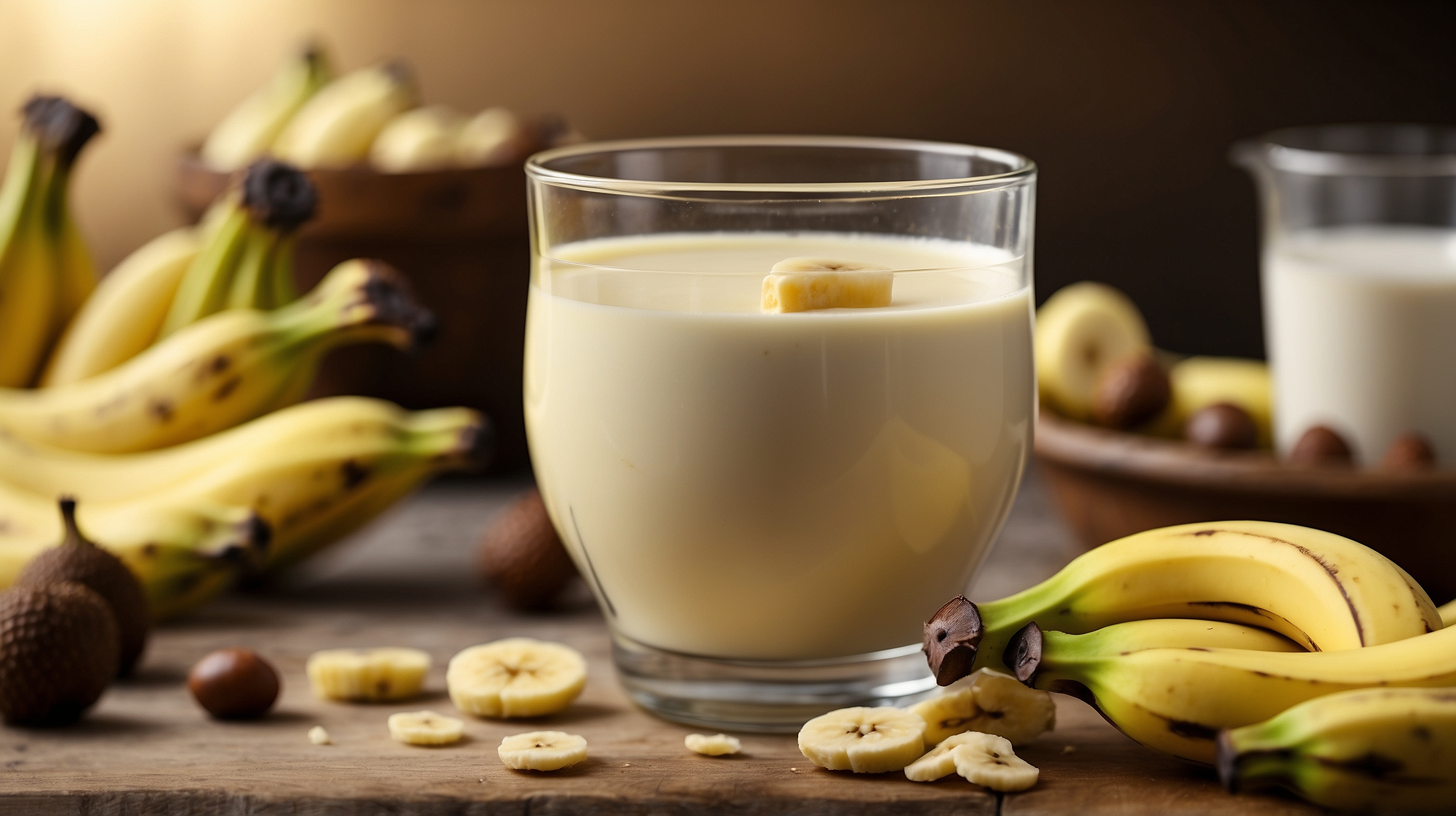
One of the most problematic actions is eating **fruit after meals**. While often viewed as a healthy dessert, fruit is digested rapidly and, when consumed after heavier foods, gets trapped in the digestive queue. It ferments before it can be processed, contributing to bloating and discomfort.
Historical origins of food combining principles
The concept of food compatibility isn’t new. **Ayurveda**, the centuries-old medical system from India, promotes *Viruddha Ahara*—the avoidance of incompatible food combinations. Similarly, **Traditional Chinese Medicine** warns against pairing “cold” and “hot” foods in the same meal, as they believe it disrupts the body’s internal balance. These philosophies align with modern understandings of how our bodies handle digestive processes, even if the language has evolved.
In the early 20th century, Dr. William Hay introduced the Hay Diet, grouping foods into alkaline, acidic, and neutral categories, and cautioning against mixing proteins with starchy foods. Despite such teachings being labeled as “pseudo-science” for decades, current digestive disorders such as IBS and acid reflux are prompting a reevaluation of these traditional practices in light of rising gut health awareness.
Examples of poor and optimal food pairings
| Food Pairing | Status | Digestive Impact |
|---|---|---|
| Steak and mashed potatoes | Loser ❌ | Slows digestion, causes fermentation |
| Fish and lemon juice | Winner ✅ | Enhances enzyme activity, improves absorption |
| Fruit salad after a hearty lunch | Loser ❌ | Leads to fermentation, gas, bloating |
| Green vegetables with grilled chicken | Winner ✅ | Supports digestion, balances pH levels |
| Yogurt with citrus fruits | Loser ❌ | Disrupts gut flora, increases acidity |
Best practices for better digestion through food pairing
Improving your digestion doesn’t require an overhaul—just simple adjustments to what and when you eat certain foods. Start with these guidelines:
- Eat **fruits on an empty stomach**. Morning is ideal, or 2-3 hours after meals.
- Avoid combining **proteins and carbohydrates**. Opt for lean meats with non-starchy vegetables instead.
- Pair **starches with vegetables**, not proteins. For example, rice with steamed broccoli instead of rice with chicken.
- Steer clear of **dairy with acidic foods** like citrus, pineapple, or tomato sauces.
- Space out **dairy and protein** as they can compete for digestive enzymes.
“The cleaner the digestive process, the more energy your body has to heal, repair, and thrive. Adjusting food combinations is a subtle but powerful way to elevate your health.”
— Maya Kruger, Holistic Nutritionist
Recognizing signs that you’re combining foods incorrectly
It’s easy to overlook the root of common digestive complaints. Pay attention to these symptoms that may indicate poor food combining:
- Persistent **bloating** and **gas**, especially after seemingly healthy meals
- Post-meal **fatigue or energy crashes**
- Frequent **acid reflux** or **heartburn**
- Irregular **bowel movements**
- **Undigested food** in stool or feelings of heaviness
If you consistently experience any of these issues despite a clean diet, re-evaluating your food pairings may be the missing puzzle piece.
The growing trend of digestive health awareness
More than ever, consumers are turning toward **preventive wellness**. With increased access to functional medicine and gut health research, food combining has become more than just a niche theory. It now holds a place within global dietary trends, appearing in elimination diets, gut-reset protocols, and detox plans.
Social media and wellness influencers have amplified the discussion, bringing traditional wisdom into the modern kitchen. The rise of *gut-friendly* cookbooks and low-FODMAP diets also reflect a greater openness to exploring how food pairings affect not just digestion, but immunity, skin health, and even mental clarity.
Final thoughts on making mindful food combinations
While no single dietary guideline works for everyone, optimizing your food pairings can offer immediate and noticeable relief from everyday digestive issues. Begin with small changes, observe how your body responds, and educate yourself on how foods interact internally—not just on your plate.
“Food is not just fuel—it’s information for every cell in our body. Thoughtful pairing helps deliver that information clearly, without interference.”
— Dr. Rey Aguilar, Integrative Medicine Specialist
Whether you’re dealing with bloating or simply aiming to maximize nutrient absorption, rethinking how you mix and match your meals could be the breakthrough your gut has been waiting for.
Frequently Asked Questions about food pairing and digestion
Is it really bad to eat fruit after meals?
Yes, fruits digest quickly and can ferment when trapped behind slower-digesting foods, leading to gas and bloating.
What’s the best time to eat fruit?
Ideally, eat fruit on an empty stomach, such as in the morning or at least 2-3 hours after a meal.
Can I mix dairy with protein?
It’s better to avoid combining dairy with proteins like eggs or meat, as they require competing enzymes to digest effectively.
What are signs of poor food combining?
Common signs include bloating, indigestion, fatigue after meals, and irregular bowel movements.
Why shouldn’t protein and starch be eaten together?
They require opposite digestive environments (acidic and alkaline), which can slow digestion and reduce efficiency.
Are there any universal food combining rules?
While individual needs vary, avoiding fruit after meals, protein-starch combos, and mixing dairy with citrus is generally beneficial.
Do food combining rules apply to plant-based diets?
Yes, even on a plant-based diet, combining certain foods like legumes and grains with fruit can cause similar digestive issues.
Is food combining scientifically proven?
While more research is needed, anecdotal and clinical observations support its impact on digestive comfort and efficiency.