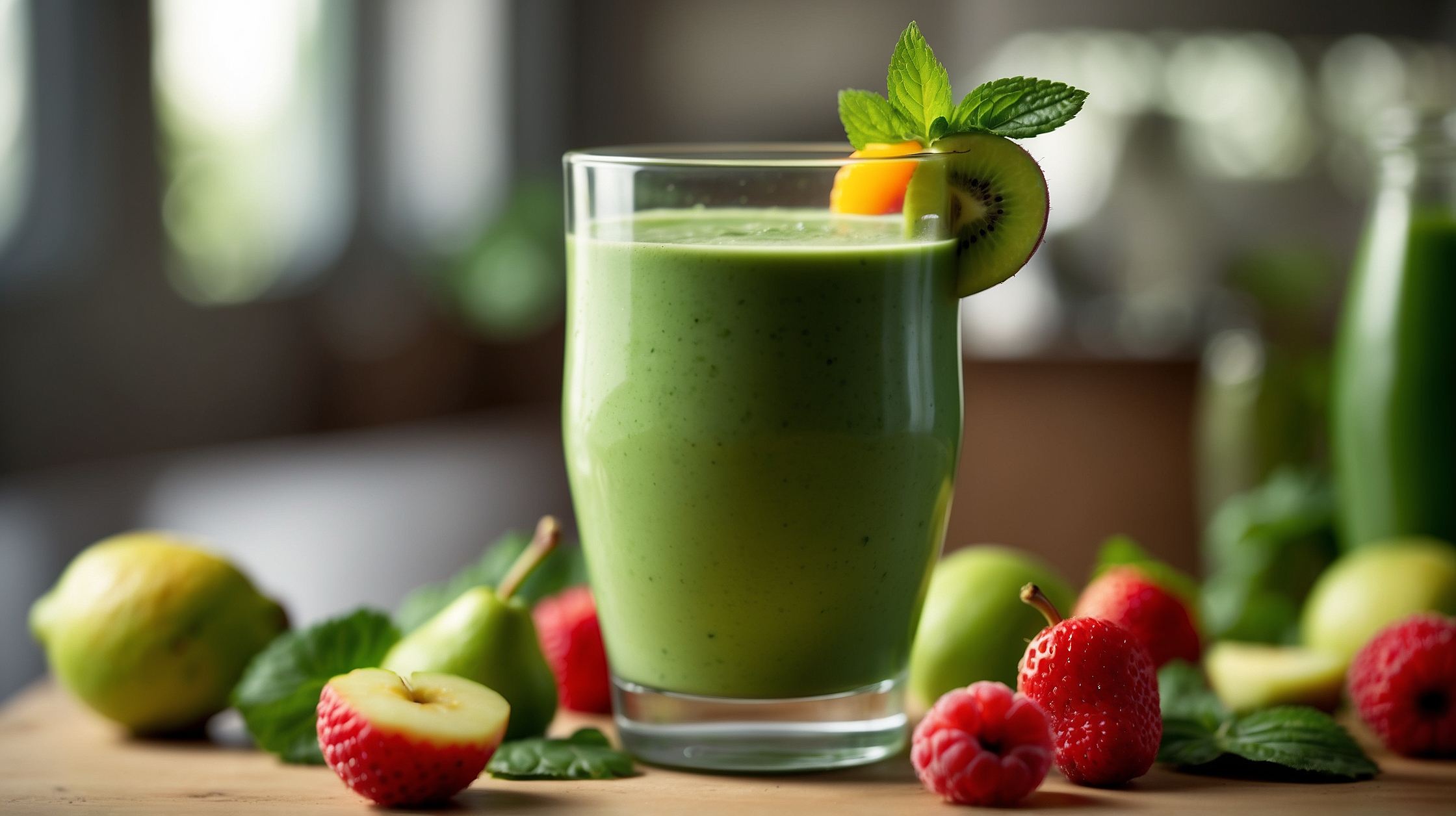
Every morning, Maria stood in front of her blender with a dilemma: she loved the sweetness and vibrancy of her fruit smoothies, but she knew she wasn’t hitting her daily vegetable goals. Like many health-conscious people, she struggled to integrate more greens into her diet without compromising taste. Then, she discovered an effortless method that changed everything: blending fruits with leafy greens. Suddenly, she was feeding her body a flood of extra nutrients, all without sacrificing the flavor she craved.
This growing trend—mixing fruit with vegetables like spinach, kale, or even broccoli in smoothies—is not only backed by nutritionists but increasingly adopted by smoothie lovers striving for balance. The method has become a subtle yet powerful technique to boost vitamin, mineral, and fiber intake without sending taste buds running for cover. Whether you’re a parent trying to get more greens into a child’s lunchbox smoothie, or an adult trying to sneak veggies into your own day, you’re not alone in wondering if there’s a way to supercharge nutrition without compromising palatability.
This article explores how combining fruits and greens in smoothies can deliver powerful health benefits while tasting just as sweet and satisfying as your usual morning blend.
Why people are blending fruits with greens more than ever
| Trend | Adding leafy greens to fruit smoothies |
| Main Benefit | Boosting daily nutrient intake |
| Popular Ingredients | Spinach, kale, bananas, berries, apples |
| Key Nutrients Added | Iron, calcium, fiber, vitamin C, antioxidants |
| Ideal For | Adults, kids, vegetarians, fitness enthusiasts |
What makes this blend so nutritionally effective
The combination of fruits and vegetables, particularly greens, works synergistically to deliver a punch of nutrients. Leafy greens like spinach and kale are **rich in iron, magnesium, and vitamin K**, while fruits add **vitamin C, natural sweetness, and fiber**. When blended together, the vitamin C from fruits can even enhance the absorption of iron from greens—making it a perfect pairing from a nutritional standpoint.
What’s more, blending helps break down the fibrous structures of greens, improving digestibility and releasing more bioavailable nutrients. This not only helps with gut health but also makes greens easier to consume for those who usually dislike their texture in whole form.
“Pairing citrus fruits like oranges or pineapples with spinach in a smoothie improves iron absorption and masks the bitterness of greens.”
— Dr. Nari Komatsu, Registered Nutritionist (placeholder)
How to maintain taste when adding greens
One of the main hurdles people face is the fear of ruining the flavor of their smoothies. Fortunately, with the right produce, taste doesn’t need to be a casualty of nutrition.
- Start with mild greens: Spinach is a popular starter green due to its neutral taste.
- Use a banana or mango: These fruits help **mask any bitterness** and create a creamy texture.
- Avoid pungent vegetables at first: Begin with leafy greens before moving on to stronger vegetables like arugula or beet greens.
- Balance the ratio: A 2:1 ratio of fruits to vegetables usually ensures a sweet enough outcome.
“Taste is what keeps people coming back. You’re more likely to maintain a healthy habit if the food actually tastes good.”
— Chef Colin Banks, Plant-Based Culinary Coach (placeholder)
Most popular fruits and greens to blend together
The foundational mixes for a great fruit-and-green smoothie include a variety of combinations that suit different tastes. Here are crowd favorites that maintain flavor while delivering nutritional value:
- Spinach + Pineapple + Banana: A mellow, tropical combination that’s nearly impossible to dislike.
- Kale + Apple + Pear + Lemon: Tart and sweet with nutrient density.
- Swiss Chard + Berries + Yogurt: A creamy, tangy option packed with antioxidants and probiotics.
- Bok Choy + Mango + Carrot: A refreshing and colorful mix ideal for kids.
Added health benefits you may not expect
Beyond just vitamins and fiber, blending fruits with greens offers other lesser-known advantages:
- Improved digestion: The fiber in greens and probiotic-friendly ingredients like yogurt promote gut health.
- Sustained energy: Fruits provide quick-release carbs; greens offer slow-digesting fibers that prevent crashes.
- Detox support: Chlorophyll in greens helps aid liver function and toxin elimination.
- Better hydration: Vegetables like cucumber and celery add water content to aid hydration.
When and how to drink green smoothies
Green-fruit smoothies fit seamlessly into many daily routines:
- Morning energy boost: Drink first thing after waking to kickstart metabolism.
- Post-exercise recovery: A well-balanced smoothie replenishes nutrients and electrolytes.
- Afternoon slump fighter: A sweet-but-healthy smoothie can replace sugary snacks.
- Pre-dinner detox: Drinking one 20 minutes before meals can reduce overeating.
Be mindful not to over-sweeten with juices or sweeteners, as these add calories and decrease nutritional density. If texture is too thick, add almond milk, coconut water, or plain water to thin it without dilution of nutrients.
Who benefits the most from this habit
| Winners | Losers |
|---|---|
| Kids and picky eaters who dislike vegetables | People with oxalate sensitivities (like kidney stone risk) |
| Fitness enthusiasts and athletes needing antioxidants | Anyone with gastrointestinal conditions aggravated by fiber |
| Busy professionals looking for a nutrient-dense meal replacement | People relying solely on smoothies instead of whole meals |
How to elevate your smoothie game even further
If you’re ready to go beyond the basics, consider adding superfoods like chia seeds, flax, spirulina, or nut butters for added protein and omega-3s. You can also include herbs like mint or basil to give your smoothies a gourmet twist. Some people even sneak in oats for added satiety or protein powders to support muscle recovery.
“Smoothies can be personalized according to dietary needs. They’re not just a snack; they can be an entire meal with the right balance.”
— Selena Hart, Clinical Dietitian (placeholder)
Short FAQs on blending fruits with greens
Can I use frozen greens in my smoothie?
Yes, frozen greens like spinach and kale work just as well and may even retain more nutrients than fresh ones due to flash-freezing.
What’s the best fruit to hide the taste of greens?
Banana, mango, and pineapple are top picks for neutralizing bitterness in greens.
Can smoothies replace meals?
They can, when crafted with protein, fats, and fiber. Add nut butter, oats, or protein powder for a balanced meal shake.
How long can I store a green smoothie?
For best freshness and nutrient retention, drink within 24 hours. Store in an airtight container in the fridge.
What if I don’t like the texture of smoothies?
Try blending longer for smoothness or straining through a fine mesh. You can also thin it with more liquid.
Is it okay to add sweeteners to green smoothies?
Natural sweeteners like dates or a small bit of honey are okay, but it’s best to rely on fruit for sweetness.
Should I peel the fruit before blending?
For most fruits, yes—especially citrus. Apples and pears can be blended with skin for added fiber.
Are green smoothies safe for kids?
Absolutely. Just ensure fruits dominate the blend initially to develop their taste for greens gradually.