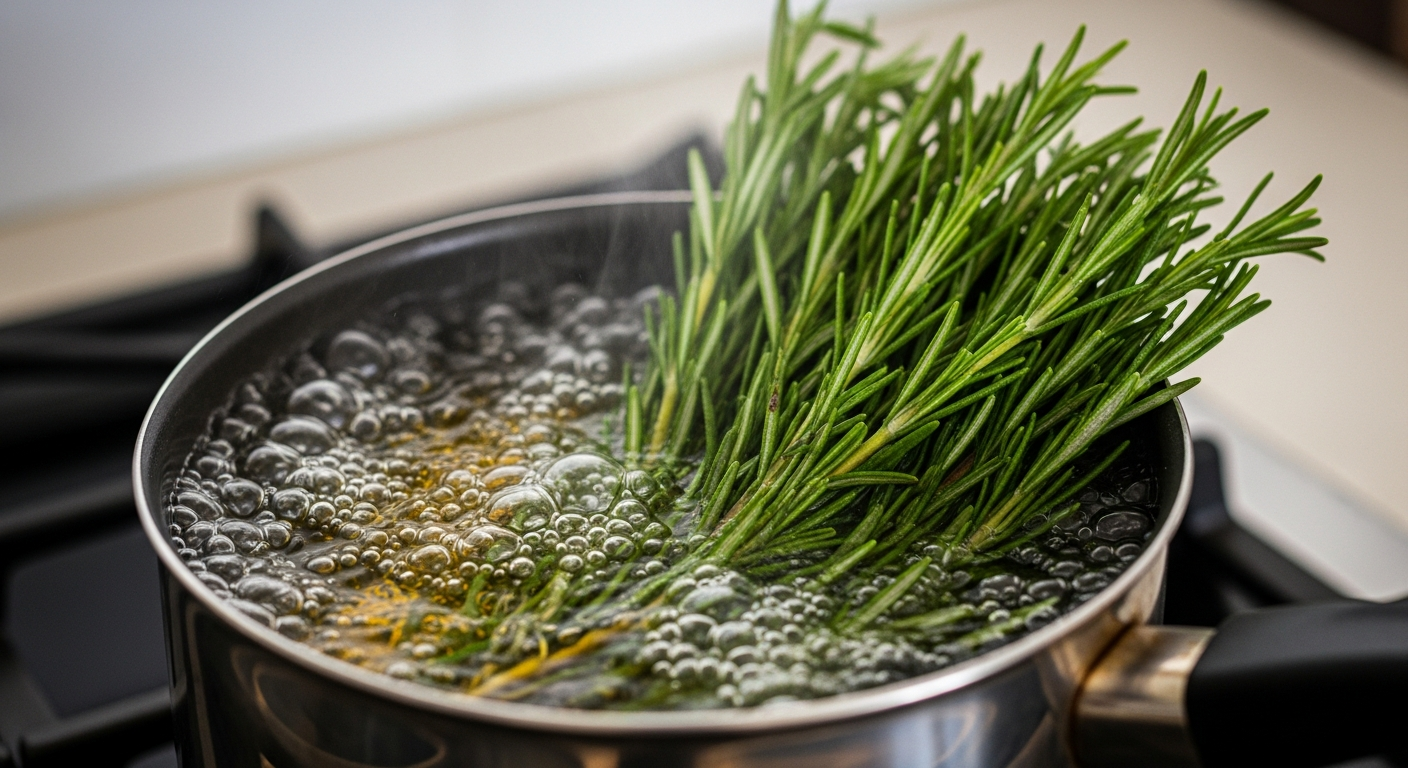
Boiling rosemary at home may not seem like much more than a pleasant kitchen ritual, but this simple practice carries a host of benefits that go far beyond aroma. Rosemary, a robust herb native to the Mediterranean region, has been used for centuries not just in cooking but also for its therapeutic properties. When boiled, rosemary releases active compounds that can provide surprising health, wellness, and even cosmetic benefits.
As modern homes seek natural, holistic remedies for everyday wellness, boiling rosemary emerges as an easy and affordable habit that fits into any routine. Whether you’re looking to boost mental clarity, improve hair health, or simply freshen the air in your home, the vapor and decoction from rosemary are packed with potentials you’ll want to harness. Here’s why this humble herb deserves a spot on your stove.
Rosemary boiling benefits at a glance
| Benefit | Description |
|---|---|
| Cognitive support | Enhances memory, focus, and overall brain function |
| Air purification | Acts as a natural air freshener with antibacterial properties |
| Hair health | Stimulates hair growth and reduces dandruff |
| Digestive aid | May calm the digestive tract and relieve bloating |
| Stress relief | The aroma promotes relaxation and reduces anxiety |
| Skin benefits | Steam can cleanse pores and improve skin tone |
How boiling rosemary supports mental clarity and memory
One of rosemary’s most talked-about abilities is its effect on the brain. When rosemary is boiled, it releases **cineole**, a compound shown to **increase concentration and alertness**. The herbal steam carries these compounds into the air, where inhalation stimulates olfactory receptors linked to the brain’s memory centers.
Several small-scale studies have shown that **aromatic rosemary exposure** can improve cognitive performance, particularly in tasks involving attention and memory. This makes boiling rosemary not only a wellness hack but also a productivity tool, especially useful during study sessions or work-from-home hours.
Using rosemary vapor consistently helps my clients stay more focused, especially students and professionals under pressure.
— Dr. Lelana K., Integrative Health Coach
Natural air freshener with purifying effects
Boiling rosemary doubles as an eco-friendly alternative to chemical aerosols and sprays. The herb emits a clean, invigorating scent that can **neutralize musty odors and airborne bacteria**. Thanks to its antibacterial and antifungal properties, rosemary-infused steam can help sanitize the surrounding air, making it a useful companion during cold and flu season.
Homes with pets, smokers, or stale indoor environments greatly benefit from this mild detoxifying effect. It leaves behind a pleasant herbal aroma and contributes to an overall sense of freshness and cleanliness without relying on synthetic scents.
Hair and scalp benefits through rosemary infusion
Using rosemary water on the hair is an ancient tradition seeing a modern resurgence, and boiling the herb at home is the perfect way to create your own **rosemary rinse**. The infusion strengthens hair follicles, boosts blood circulation to the scalp, and promotes growth. Additionally, its antimicrobial properties reduce dandruff and flakiness.
After boiling, let the water cool before applying it directly to the scalp or transferring it to a spray bottle for daily use. This natural hair tonic is especially popular among individuals seeking to improve hair thickness and vitality without expensive treatments.
Plants like rosemary offer a very real solution to hair thinning, particularly because of their circulation-boosting capabilities.
— Maria Sanchez, Ayurvedic Hair Therapist
Digestive and immune system support
Drinking the cooled water from boiled rosemary can act as a **mild digestive aid**, particularly after fatty meals. It helps relax the muscles of the gastrointestinal tract, reducing bloating, flatulence, and discomfort. The herb’s anti-inflammatory qualities also support gut health over time.
Additionally, rosemary contains antioxidants like **rosmarinic acid**, which help bolster immune defenses. Sipping rosemary infusion or simply inhaling it as part of a steam treatment can play a role in warding off seasonal illnesses like colds and minor respiratory infections.
Calming the mind and relieving stress through aromatherapy
The scent of rosemary is documented for its **calming effect** on the nervous system. It helps reduce cortisol levels, the hormone responsible for stress, while boosting mood. Boiling a handful of rosemary leaves can create a therapeutic environment conducive to relaxation, meditation, or a better night’s sleep.
Inhaling rosemary steam before bedtime promotes relaxation by gently activating pathways in the olfactory system that soothe anxiety. If you’re dealing with a stressful week or need help winding down, this is a low-effort way to achieve mental ease at home.
It may sound simple, but just fifteen minutes of rosemary steam in the evening can lower stress markers dramatically.
— Dr. Elise Nomura, Holistic Psychologist
Healthy skin starts with rosemary steam
Boiling rosemary and using its vapors as a facial steam is a gentle way to **cleanse pores and tone the skin**. The herb’s antiseptic and antibacterial features help clear the skin of impurities while calming inflammation. Those with acne-prone or oily skin especially benefit from this herbal approach to skincare.
Facial steaming with rosemary should be done no more than twice a week. Always keep a safe distance from the pot to avoid excessive heat exposure. As the steam opens the pores, it prepares the skin for masks, toners, or moisturizers to be absorbed more effectively.
Simple steps to prepare boiled rosemary
Preparing rosemary tea or steam at home is straightforward. Follow these easy steps:
- Take one to two sprigs of fresh rosemary or 1 tablespoon of dried rosemary.
- Add to a pot with 2–3 cups of water.
- Bring to a gentle boil for about 5–7 minutes.
- Turn off heat and allow to steep for an additional 10–15 minutes.
You can inhale the aromatic steam, pour it over your scalp, or store the liquid for future use. Make sure to strain the herbal water before storing.
Who benefits most from this practice
Almost everyone can safely enjoy the benefits of boiled rosemary, but certain groups will find it especially advantageous:
- **Students** or professionals needing improved focus
- **Individuals with stress or anxiety** looking for natural relief
- **People experiencing hair loss** or scalp issues
- **Those living in polluted or musty environments**
- **Beauty seekers** looking for natural skin and hair care alternatives
| Winners | Losers |
|---|---|
| Holistic wellness enthusiasts | People looking for instant or chemical-based results |
| Eco-conscious households | Those allergic to strong herbal scents |
| Skincare and haircare DIYers | Anyone seeking highly specialized medical treatments |
Frequently asked questions about boiling rosemary
Can I reuse boiled rosemary leaves?
While it is safe to reuse them once, most of the beneficial compounds are released during the first boil, so freshness is best for full potency.
How often should I boil rosemary for benefits?
2–3 times per week is ideal for general wellness, but daily use in smaller amounts is also safe for most people.
Is rosemary boiling safe for children or pets?
The steam is usually safe for children over age 5 but should be used cautiously. For pets, avoid direct exposure as rosemary can be irritating in large doses.
Can I drink the water after boiling rosemary?
Yes, once cooled and strained, rosemary tea is safe to drink and offers digestive and antioxidant benefits.
How long does the boiled rosemary scent last in a room?
The scent may linger from several hours to a full day depending on ventilation and volume used.
What’s the difference between boiling and burning rosemary?
Boiling gently releases essential oils without creating smoke, while burning produces strong fumes and may not be suitable for sensitive environments.
Can I combine rosemary with other herbs for added benefits?
Yes, herbs like mint, lavender, or sage pair well with rosemary for enhanced aroma and complementary effects.
Are there any side effects of boiling rosemary?
Most people tolerate it well, but those with specific allergies or sensitivity to strong herbs should test cautiously or consult a healthcare provider.