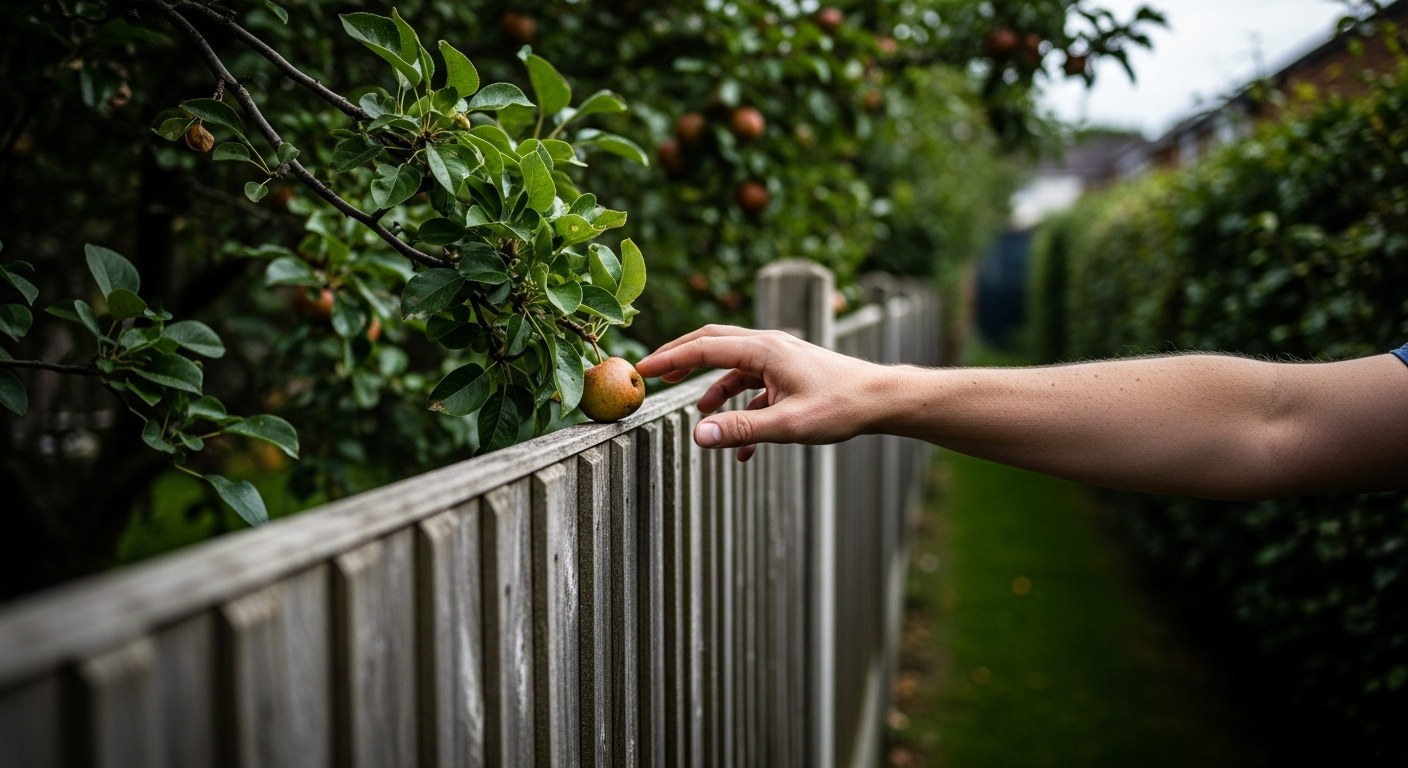
Property disputes between landlords and tenants can often be rooted in confusion, miscommunication, or a lack of understanding of the legal boundaries each party must respect. One recurring point of contention is access to outdoor areas like the garden. Specifically, many renters wonder: Can a landlord enter the tenant’s garden to pick fruit from trees? The answer isn’t always straightforward, but understanding the nuances of property law, tenancy agreements, and the implied right to quiet enjoyment can help clarify the matter.
For tenants who value their privacy or those who’ve cultivated and maintained their garden as an extension of their living space, the idea of a landlord entering to harvest fruit—without warning—can feel intrusive. On the flip side, landlords may feel that the fruit trees they planted before renting out the property still fall under their entitlement. These interests clash in ways that test legal boundaries and moral judgments. When such disagreements arise, knowing what the law has to say can prevent unnecessary tension and possibly legal escalation.
Key facts about landlord access to tenant gardens
| Issue | Landlord accessing the garden to pick fruit |
| Legal Basis | Quiet enjoyment, property rights, tenancy agreement clauses |
| Tenant’s Rights | Exclusive possession, privacy, control over garden during tenancy |
| Landlord’s Rights | Access for inspections or emergencies with notice |
| Common Resolution | Agreement outlined in lease or mutual consent |
The legal concept of quiet enjoyment
One of the cornerstone principles of housing law is the tenant’s right to “quiet enjoyment” of the rented premises. This doesn’t just mean a noise-free environment—it legally guarantees that the tenant can use and enjoy the premises without interference from the landlord or third parties. Courts uphold this right rigorously, and unannounced or unauthorized entry into the garden by a landlord—even for something seemingly innocent like picking fruit—can be seen as a breach of that right.
Even if the landlord owns the property, once it is leased to a tenant, the tenant gains exclusive possession of the entire rented space—this usually includes not just the interior but also any outdoor areas that are clearly part of the tenancy. Whether fruit trees in the garden are 10 years old or recently planted, the act of picking fruit can be construed as interference with the tenant’s quiet enjoyment if done without prior agreement or legal justification.
The role of the tenancy agreement in defining boundaries
The tenancy agreement is the ultimate guidepost for determining what a landlord can and cannot do. If the contract explicitly mentions garden maintenance by the landlord or shared access to fruit trees, then that might provide legal standing for the landlord to enter—provided proper notice is given. However, most standard tenancy agreements do not distinguish between rights to fruit borne by the trees and access to the land in a routine way.
In cases where the agreement is silent, legal default tends to side with the tenant’s exclusive possession during the term of the lease. Because the garden is part of what the tenant is paying to use exclusively, any produce from that garden—unless otherwise specified—is generally considered within the tenant’s control. A verbal agreement, if clearly established and not contradicted by the written lease, could also influence this understanding, though that introduces complications around proof and reliability.
Fruit ownership: Who truly gets the harvest?
Let’s say the fruit trees were planted by the landlord years ago. Does that give them a right to harvest the fruit even during a tenancy? The answer is, surprisingly, usually no. The moment a property is rented out and tenants move in, their exclusive possession includes entitlement to whatever the premises yield—this includes the apple tree, lemon tree, or even the wild blackberries that grow along the fence line.
The landlord does not retain legal ownership over the fruit once it develops during the tenant’s possession unless specified otherwise in the lease. Crops, plants, and fruit grown on the rented land are commonly understood to benefit the current occupant. This understanding aligns with legal doctrine known as “emblements” under property law—though it traditionally applies to agricultural leases, the core principle that the person cultivating or possessing the land has rights to its produce remains relevant here.
What counts as unauthorized entry?
Landlords are legally permitted to enter the rental property—but strictly under specific circumstances. These include carrying out repairs, inspecting the property, or showing it to future tenants or buyers. Even then, proper written notice is required (usually a minimum of 24 hours). Walking into the garden to pluck ripe fruit does not qualify under these categories and would therefore be unauthorized without explicit permission from the tenant.
Not only could such an act breach the quiet enjoyment clause, but it might also legally fall under trespassing. While few tenants would go so far as to press charges over a few oranges or plums, knowing that the law backs them up can encourage healthier boundaries and mutual respect in the landlord-tenant relationship.
When good communication solves problems before they start
Most property managers and landlords aren’t looking to infringe on privacy—they simply aren’t always aware they’re crossing legal or ethical lines. A tenant raising the issue directly, calmly outlining their privacy expectations, and reaching an informal agreement can go a long way toward resolving matters without legal action. Likewise, if a landlord communicates their interest in harvesting a small portion of fruit, a solution like sharing produce or coordinating a visit might result in mutual satisfaction.
“Understanding goes a long way. Most tenants are happy to share a bit of fruit if asked, but unsolicited entry into the garden is a clear breach of trust.”
— Karen W., Property Law Specialist
Preventive tips: How to avoid garden disputes
- Clarify everything in writing: Include garden access policies in the lease.
- Define access protocols: If the landlord needs seasonal garden access, set specific dates or request procedures.
- Use signage or barriers: These not only preserve privacy but signal that the space is in active use by the tenant.
- Consider shared arrangements: A written or verbal agreement to share fruit harvest can avoid misunderstandings.
Who wins and who loses when misunderstandings occur
| Winners | Losers |
|---|---|
| Tenants asserting legal privacy rights | Landlords entering without notice or permission |
| Landlords who set clear expectations in tenancy agreements | Tenants who remain silent but later feel violated |
Frequently asked questions about garden access
Can my landlord legally enter my backyard without notice?
No. Your landlord must provide notice (typically 24 hours) and have a valid reason, such as repairs or inspections. Picking fruit is not considered a valid reason.
Who owns the fruit from trees during a tenancy?
The tenant, as current occupant with exclusive possession, has rights to anything growing on the property unless otherwise specified in the lease.
What if the tree was planted by the landlord?
Ownership of the tree remains with the landlord, but any fruit produced during the tenancy belongs to the tenant unless a shared agreement exists.
Can I put up a “no entry” sign in the garden?
Yes, this may help assert your desire for personal space. However, signage does not override legal permissions in your lease or the law.
What steps should I take if my landlord enters without permission?
Document the incident, communicate your concerns in writing, and if repeated, consider seeking legal advice through a tenant rights organization.
Is there any legal exception for landlords to enter for gardening purposes?
Only if it’s explicitly written into the lease. Without such a clause, gardening access is not granted by default.
Can I request that the landlord remove a fruit tree?
You may request it, but the landlord is not obligated to remove vegetation unless it’s a hazard or included in the lease terms.
How can landlords and tenants share garden produce peacefully?
Open dialogue and written agreements can help define sharing terms and respect everyone’s rights, avoiding legal or emotional disputes.