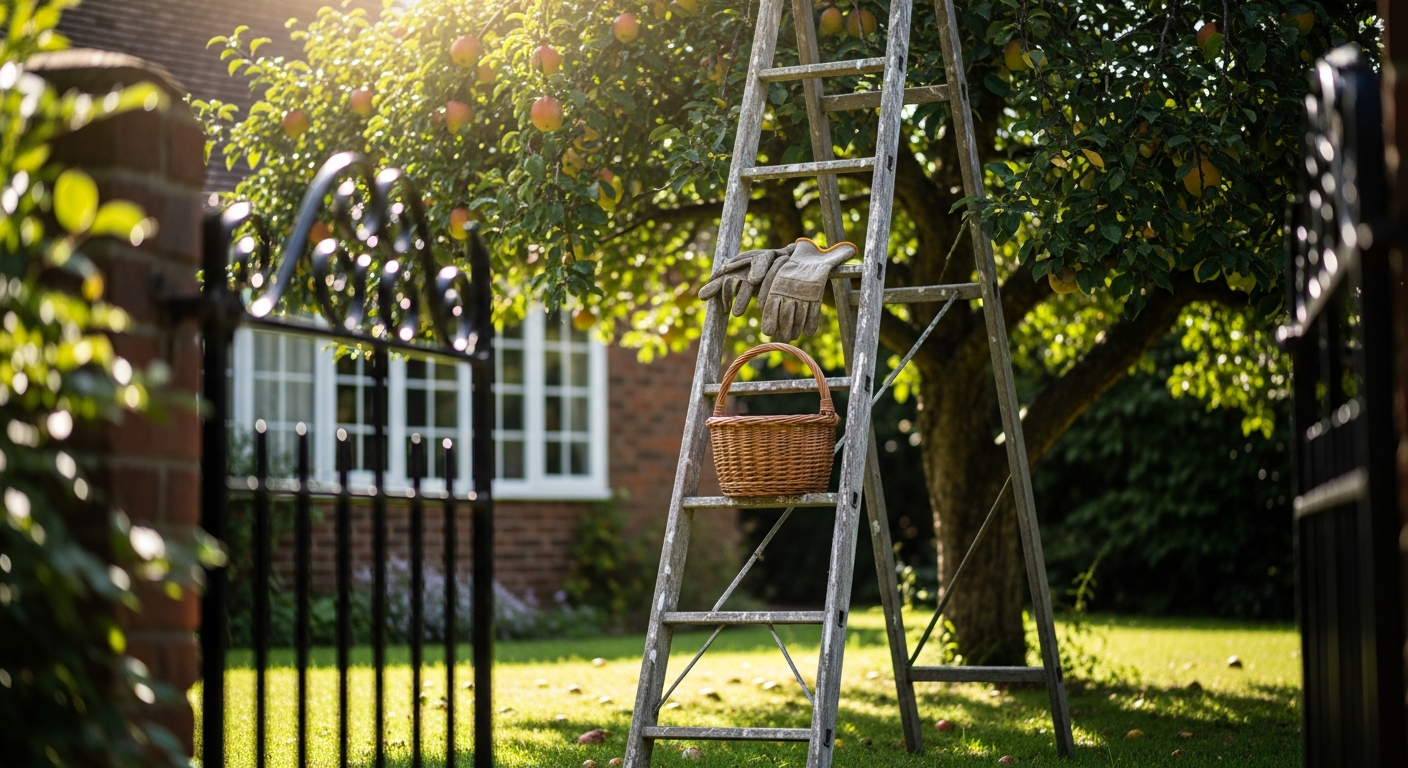
It’s a surprisingly common yet under-discussed experience for many renters in the UK: a landlord entering the garden of a rented property unannounced to pick fruit or maintain plants. While it may seem harmless or even quaint at first, this action raises serious legal questions about tenants’ rights, boundaries, and property access laws. In recent years, renters have begun to question whether their private gardens are truly theirs to enjoy—or if landlords retain some lingering claim. This article delves into this increasingly relevant issue as more tenants assert their rights to peace and privacy.
The root of the contention often lies in vague rental agreements or informal understandings between landlords and tenants. In some cases, landlords believe they have the right to access outdoor property features—like vegetable patches or fruit trees—that technically reside on their land. However, tenants may view any unauthorized entry into the garden as a breach of their privacy and tenancy rights, especially when the garden is included within the property they’re paying for. Understanding the legal nuances and knowing where you stand can empower renters to address such situations with confidence and clarity.
Overview: Landlord Access to Garden Area
| Issue | Details |
|---|---|
| Can a landlord enter the garden unannounced? | Typically, no—unless access is outlined in the tenancy agreement or an emergency. |
| What laws apply? | Housing Act 1988, Section 11; implied right to quiet enjoyment. |
| Is a garden part of rented property? | Yes, if it’s demarcated and included in the lease. |
| Can tenants stop landlords from accessing gardens? | Yes, unless access is legally justified with notice or emergency. |
| What can landlords do legally? | Request access with 24 hours’ notice unless otherwise stated. |
Understanding the concept of “quiet enjoyment”
One of the most important legal protections for tenants in the UK is the right to “quiet enjoyment” of the property. This principle is enshrined in tenancy law and stipulates that tenants are entitled to use the rented premises—including any designated outdoor areas—without unnecessary interference from the landlord. “Quiet enjoyment” doesn’t solely refer to noise mitigation; it encompasses a tenant’s right to privacy, safety, and autonomy in and around the premises during the tenancy.
This means that any unannounced visits—whether to the interior or the garden—can potentially violate this statutory right. Courtyard gardens, private yards, and other demarcated outdoor spaces specifically included within the lease are protected in the same manner as indoor spaces. Even if a landlord planted the apple tree or originally maintained the garden, once the lease is valid, tenants hold primary rights over the entire rented area, garden included.
What the law says about landlord access
According to the Housing Act 1988 and related legislation, landlords must give their tenants at least 24 hours’ written notice before entering the premises for inspections, repairs, or other non-emergency reasons. This includes both internal and external parts of the property, such as front and back gardens, driveways, or patios if they are designated as part of the rented property.
Furthermore, tenancy agreements typically reinforce this standard by restating that the landlord must not enter the property—or any of its affiliated outdoor areas—without consent, proper notice, or a compelling emergency. Even in situations where landlords informally “drop by” to pick figs, cherries, or lemons, doing so without prior notification could be deemed a breach of contract and be legally contestable.
When landlords believe they have a right to enter
Disputes often arise when landlords believe they retain access rights to what they perceive as their garden, especially if they planted and nurtured the trees long before renting out the property. Such misunderstandings are more common in suburban or rural areas where fruit trees and vegetable patches are part of the landscape. These beliefs, however, hold no legal ground once the tenancy begins. The property—including the garden—becomes the tenant’s private domain unless the contract specifies shared use or particular exceptions.
Some landlords try to assert that since they maintain and harvest the garden annually, the practice should continue as a tradition even during a tenancy. While this may have worked informally in the past, it doesn’t override legal protections. Without express consent or written provision in the lease, entering the garden to pick fruit could constitute trespass or harassment under tenant protection laws.
What renters can do to protect their rights
There are several proactive steps tenants can take to clarify and protect their rights regarding garden access:
- Review the tenancy agreement: Ensure it defines the garden as part of the rented property with no shared access clauses.
- Communicate expectations: Politely but clearly set boundaries regarding when and how the landlord may access outdoor areas.
- Put it in writing: If you’re uncomfortable with any unannounced visit, document the incident and communicate your concerns by email or letter.
- Report persistent intrusions: If the landlord continues to enter without notice, you can report the behaviour to local tenancy advisory groups or initiate legal action.
Expert perspective (general) — Needs verification
Legal experts generally agree that the legal framework strongly favors tenants in such disputes. “The concept of quiet enjoyment isn’t just theoretical—courts have upheld it even in cases involving minor intrusions,” says an anonymous tenant rights lawyer. “Landlords misjudging informal customs as legal entitlements are often surprised by how stringent the laws are in defending tenant privacy.”
What happens if a landlord continues to pick fruit?
If a landlord repeatedly harvests garden produce without consent or notification, renters have the right to escalate the issue. Documentation—including photographs, communication logs, and video evidence—can be essential. In extreme cases, this pattern of unauthorized entry can be categorized as harassment under the Protection from Eviction Act 1977, triggering fines or civil penalties against repeat-offender landlords.
Should you allow it if you don’t mind?
Some tenants may find themselves ambivalent or even accommodating toward a landlord picking fruit—especially if the harvest is shared. If that’s the case, it’s still advisable to formalize the arrangement in writing. Doing so avoids future misunderstandings, safeguards both parties, and preserves the foundational respect that should exist between landlords and tenants.
Winners and losers in landlord-garden disputes
| Winners | Losers |
|---|---|
| Tenants asserting privacy rights | Landlords ignoring legal access protocols |
| Agreements based on mutual respect | Informal understandings without documentation |
| Tenancy agreements with clear terms | Landlords with outdated notions of ownership rights |
Final thoughts on garden boundaries
In the evolving landscape of UK tenancy law, one truth remains firm: renters have stronger protections than ever when it comes to privacy and property rights. While a landlord may have a sentimental attachment to fruit trees or garden patches, once a tenancy begins, so too does the tenant’s legal hold on all defined space—including the garden. With communication, clarity, and occasional legal consultation, these disputes can be diffused or prevented entirely. But tenants shouldn’t hesitate to stand their ground—the law is largely on their side.
Can my landlord enter my garden anytime they like?
No. Landlords must provide at least 24 hours’ notice before entering any part of the rented premises, including the garden, unless it’s an emergency.
Is the garden legally considered part of my rented property?
Yes, if the garden is included in the lease and demarcated as part of the rented space, it holds the same legal protections as the interior of the property.
What if the landlord planted the trees before I moved in?
Even if the landlord originally planted the trees or maintained the garden, they cannot access the area during an active tenancy without proper notice and tenant consent.
How can I stop my landlord from accessing the garden?
Communicate in writing, remind them of your right to quiet enjoyment, and cite your tenancy agreement. If the issue persists, report them to local authorities or seek legal advice.
What laws protect my rental garden space?
The Housing Act 1988 and the Protection from Eviction Act 1977 protect against unauthorized access and harassment by landlords, including within garden areas.
Can I let my landlord pick fruit if I don’t mind?
Yes, but it’s recommended to establish the arrangement in writing to avoid any future concerns or misunderstandings.
Is harvesting fruit considered a breach of privacy?
Yes, if done without tenant consent or proper notice, harvesting fruit constitutes a breach of the tenant’s right to quiet enjoyment.
What should I do if this issue escalates?
Maintain detailed records, speak to local tenant advisory groups, and consider mediation or legal action if necessary.