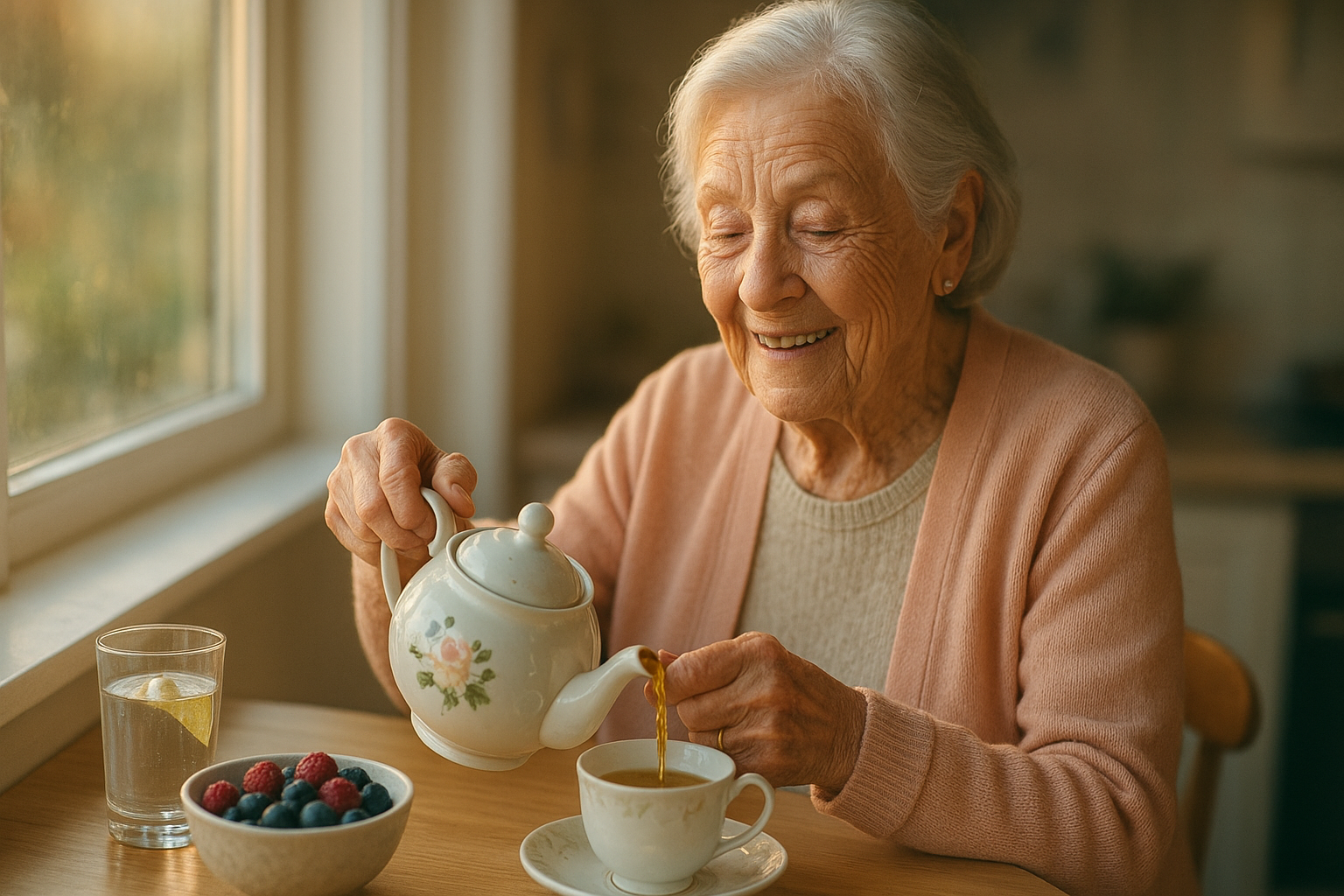
At 103 years old, Brenda Garton isn’t just surviving — she’s thriving. With an infectious laugh and sparkling eyes, Brenda is living proof that aging with vitality isn’t just a dream, but a conscious choice built from habits laid down over decades. Nestled comfortably in her own home in Coventry, England, Brenda remains self-reliant, joking lovingly with family, keeping her flat spotless, and insisting she’s “too busy” for a care home. Her secret? A simple but unwavering daily commitment to wellness, independence, and a sense of purpose.
Born in 1920, Brenda has lived through world wars, monumental societal shifts, and an ever-changing health landscape. Yet, by all accounts, she is as mentally sharp and socially active as someone several decades her junior. Her remarkable longevity offers a compelling lens into the lifestyle choices that may increase one’s odds of not just living longer — but living better. “I’m never going into care, thank you very much,” says Brenda with fiery determination, proving that attitude plays a pivotal role in her long life.
What sets Brenda apart isn’t access to elite medical care or exotic superfoods, but a collection of small, sustainable routines repeated daily across decades. With a routine anchored in movement, autonomy, and positive mental engagement, her story diverges from common stereotypes about what it means to age. Brenda’s practices might just offer a roadmap for anyone hoping to add quality to their years — not just years to their life.
Brenda Garton’s daily longevity blueprint
| Habit | Details |
|---|---|
| Staying Active at Home | Keeps her flat clean and organized herself — “I’m very house-proud” |
| Strong Sense of Independence | Lives alone and refuses care support. Makes her own decisions |
| Eating Well | Prefers simple, home-cooked meals with moderate portions |
| Family Connection | Maintains close ties with her children and grandchildren |
| Mental Engagement | Chooses TV programs she enjoys and engages in conversation daily |
| Positive Attitude | Faces aging with determination and humor |
Movement and ownership: Why Brenda avoids frailty
Brenda swears by keeping her body moving, even if it’s as simple as tidying her home. While many centenarians may slow down physically, she insists on doing all her housework herself — and does so with pride. “I can’t bear mess. I clean everything myself because I like to be in control of my surroundings.”
This daily movement provides crucial low-level, sustained activity that supports mobility, flexibility, and cardiovascular health. Studies on longevity highlight that even modest physical engagement like housework can delay the onset of frailty and boost mental clarity well into late age. Brenda’s diligence not only keeps her space livable, but it also sustains a rhythm of life that many experts agree is vital to aging well.
Small, consistent physical habits are far more effective over time than occasional intense exercise.
— Dr. Helen Sams, Geriatrician
Why independence fuels mental and emotional resilience
Beyond physical activity, Brenda attributes her remarkable longevity to staying in her own home and living on her own terms. Despite her age, she has pushed back on the idea of residential care, seeing it as the end of autonomy. Her insistence on remaining self-sufficient reflects a deeper psychological and emotional advantage that benefits her longevity.
Research confirms that seniors who retain autonomy report better life satisfaction and cognitive performance. By staying active in her decision-making and environment, Brenda remains fully participant in her life, rather than a passive observer. This sense of personal agency continues to ignite her confidence and joy — leaving her proudly stating, “Nobody else runs my life.”
The soul food in simple meals and moderation
Though she doesn’t closely follow any specific diet groups or wellness trends, Brenda credits her health to a lifetime of moderate, traditional British cooking. Her meals tend to consist of homemade, properly portioned dishes — the kind that nourish rather than overwhelm the system. There’s no obsession with calorie counting or supplements. Instead, common sense and consistency form the backbone of her nutrition.
Experts believe that Brenda’s mindful eating habits mirror what is now widely recognized in longevity studies: low-processed, balanced meals that avoid extremes. Eating on time, avoiding indulgence, and listening to natural hunger cues tend to mimic patterns in Blue Zones — regions of the world where people commonly live past 100.
Longevity diets aren’t about restrictions — they’re about balance and simplicity.
— Dr. Rachel Lim, Nutrition Specialist
The link between loved ones and living longer
Another vital theme in Brenda’s life is her deep connection with her family. She proudly talks about her two daughters, four grandchildren, and three great-grandchildren who remain closely engaged with her life. Whether it’s through phone calls, visits, or shared jokes about her spirited independence, social health is integral to her routine.
There is mounting evidence suggesting that strong family and community ties can contribute to a longer life. Feelings of belonging and emotional support have been directly correlated with longevity. For Brenda, family isn’t just about tradition — it’s a continual source of purpose that energizes each day.
The importance of choosing joy and positivity
When asked about her outlook, Brenda laughs heartily. She doesn’t spend time worrying about aging or illnesses — or even birthdays. “I don’t feel old. I still know what’s going on.” Her ability to stay cheerful and determined, even in solitude, reflects an optimism deeply rooted in choice rather than circumstance.
Optimism and emotional well-being are now recognized by scientists as powerful predictors of health outcomes. Longevity isn’t merely dictated by genes; mental health is woven inherently into the formula. Brenda’s self-assurance and delight in simple pleasures ensure that stress and negativity don’t get a foothold in her life.
Why Brenda’s story matters more than ever
At a time when many baby boomers are entering retirement and healthcare systems are bracing for aging populations, Brenda’s approach is timely and instructive. Her lifestyle demonstrates that many elements of longevity are within reach to the average person — requiring mindset shifts more than massive effort. Taking ownership, staying active, cherishing family, and maintaining positivity are holistic tools that can help transform the experience of growing older.
Your lifestyle after 60 should empower, not restrict you. People like Brenda are showing us how to age not just gracefully, but powerfully.
— Dr. Noor Patel, Aging & Wellness Expert
Short FAQs about Brenda Garton’s longevity habits
What is Brenda Garton’s age?
Brenda Garton is currently 103 years old and lives independently in Coventry, England.
Does Brenda receive any professional elder care support?
No, Brenda handles her daily activities and strongly prefers to remain independent without external care services.
What kind of exercise does Brenda do?
She doesn’t follow a fitness regime but stays active by cleaning her flat and completing household chores daily.
What does Brenda eat daily?
She sticks to simple, balanced, home-cooked meals and practices portion control without restrictive dieting.
How important is mental wellness in her lifestyle?
Very important. She keeps herself mentally engaged through television, family conversations, and a determined attitude.
Does Brenda engage in any community or social activities?
While she doesn’t socialize in clubs, she maintains close relationships with her family, which keeps her connected and joyful.
What is her outlook on aging?
Brenda approaches aging with humor and strength, refusing to see herself as “old” despite her age.
How can others follow her example?
By prioritizing independence, staying physically active, nurturing relationships, eating well, and maintaining a positive outlook on life.