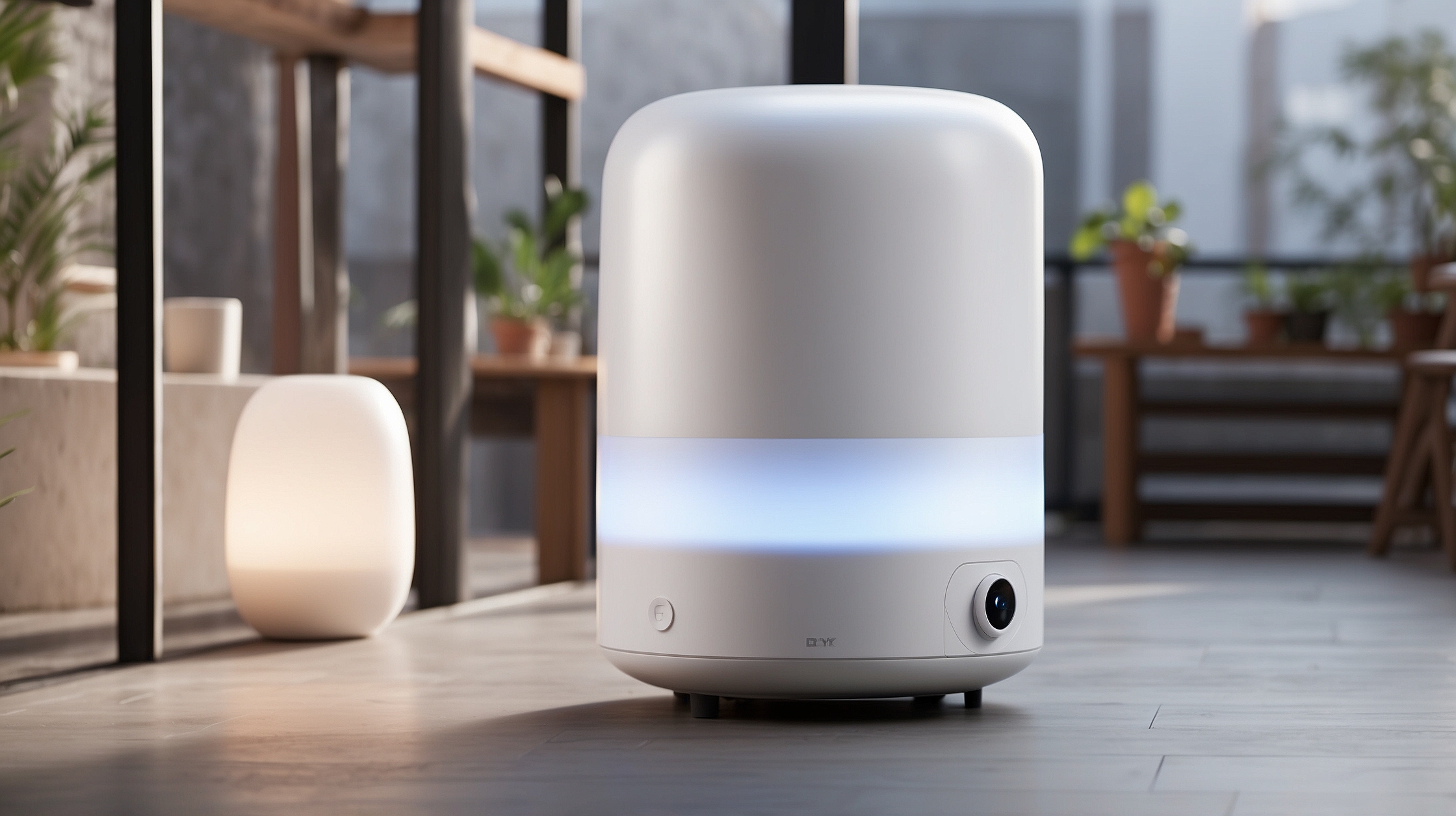
In the undercurrents of industrial evolution, relevations often come not as roaring revolutions, but as quiet shifts bubbling just beneath the surface. For decades, energy lost as waste heat has been the silent enemy of industrial efficiency across the world. Vast sectors—from manufacturing to chemicals—continuously shed heat energy through processes that have long seemed inevitable and uneconomical to improve. But if one nation has made a habit of turning challenges into solvable engineering problems, it is China.
At the intersection of physics and innovation, Chinese engineers have just unveiled a cutting-edge thermal technology that could breathe new life into how industry manages heat. This new device isn’t just a heat pump—it’s a revolution in acoustic technology. By harvesting wasted energy via soundwaves, this innovation offers an answer not just to efficiency, but to sustainability. Crafted without any rotating parts, this non-spinning thermoacoustic heat pump stands to recover an estimated 27% of industrial waste heat—a bold promise toward decarbonization and energy conservation.
What makes this device extraordinary is not just its heat recycling potential, but the elegant simplicity with which it functions. Merging acoustic science and thermodynamic precision, it turns otherwise ‘dead’ energy into active savings. As the world strives toward net-zero goals, this breakthrough represents a silent leap forward—powered, literally, by sound.
Key features of China’s non-spinning thermoacoustic heat pump
| Technology | Non-spinning thermoacoustic heat pump |
| Purpose | Capture and repurpose industrial waste heat |
| Energy Recovery Rate | Up to 27% of industrial wasted heat |
| Mechanism | Uses high-power sound waves to move heat via resonance |
| Moving Parts | None — 100% solid-state |
| Application Areas | Heavy industry, metallurgy, chemical production, manufacturing |
| Environmental Impact | Reduces greenhouse gas emissions and boosts energy efficiency |
What makes this heat pump different from traditional systems
Traditional heat pumps—common in HVAC systems and industrial setups—use rotating compressors and refrigerants to move heat from one place to another. These devices depend on mechanical parts that wear out over time, require regular maintenance, and are often dependent on environmentally unfriendly chemicals for function.
The new Chinese device departs from all of that. It operates without spinning parts, motors, or mechanical friction. Using only pressure from sound waves, it channels heat through an acoustic resonance tube. Not only does this result in a nearly maintenance-free system, but it also eliminates the need for chemical refrigerants—many of which are potent greenhouse gases.
“The non-spinning design achieves stable and efficient long-term operation with lower lifecycle costs. It’s a game changer for process industries.”
— Dr. Lin Hao, Energy Systems Researcher
How sound becomes heat: the thermoacoustic mechanism explained
At the core of the heat pump lies a marvel of acoustic engineering. Sound waves—especially at high decibel and pressure—carry energy. The Chinese engineers developed a system where these sound waves are generated within a resonator. As the waves reverberate inside the tube, they cause gas molecules to oscillate. This oscillation translates into thermal energy, which can then be directed and transferred.
In short, the sound waves compress and expand the gas in tuned rhythms, creating hot and cold regions that can be utilized to move heat across gradients. This is known as the thermoacoustic effect, and it’s been a subject of theoretical study for decades. The breakthrough here is in its industrial scaling—something that has eluded efficiency engineers until now.
Potential applications across heavy industries
Many industries produce vast amounts of low-grade waste heat—energy that’s not hot enough to power turbine engines or useful processes but still represents a significant loss. Foundries, refineries, textile mills, and chemical plants all face this problem.
The new thermoacoustic heat pump can reclaim this waste heat and transform it into usable heat for secondary processes such as water heating, space heating, or even powering intrinsically low-energy systems. With no need for complex moving infrastructure or lubrication mechanisms, the system becomes highly attractive for harsh factory conditions where equipment reliability is paramount.
“This device turns what was once industrial noise into usable, clean energy. It’s a poetic solution.”
— Mei Zhang, Thermal Energy Analyst
Why recovering industrial waste heat matters now more than ever
Globally, more than 50% of the energy used in industry is lost as heat. Of that, a significant portion is lost at low or medium temperature levels where traditional heat recovery technologies are inefficient. In the race to achieve carbon neutrality, reclaiming this lost energy can significantly reduce dependency on fossil-fueled energy sources.
By providing a non-invasive, additive solution with minimal maintenance and no emissions, devices like these fill an urgent need. Experts project that broad adoption could reduce overall industrial emissions by 15%-20% in participating sectors within the next decade.
Winners and losers in the energy recovery landscape
| Winners | Losers |
|---|---|
| Industrial manufacturers adopting energy recovery solutions | Traditional heat recovery manufacturers reliant on complex machinery |
| Environmental policy goals aligning with net-zero strategies | Fossil fuel companies unable to innovate beyond combustion tech |
| Startups offering thermoacoustic retrofitting services | Older plants reluctant to modernize heat systems |
The road ahead: from pilot factories to widespread adoption
Currently under deployment in pilot-scale demonstrations in select factories, the non-spinning thermoacoustic heat pump is already showing promising results. Efforts are underway to lower production costs through material efficiency and simplified designs, which could accelerate commercialization.
Policy incentives, particularly those favoring low-carbon industrial innovations, may hasten integration. Also, because the unit doesn’t rely on external coolant systems or moving parts, it holds potential for integrations in remote and off-grid industrial sites—another area where energy efficiency matters deeply.
Could this be the future of sustainable industrial heat management?
If proven scalable and economically viable, this heat pump could revolutionize the way industries approach one of their most unintentional inefficiencies. In a time where carbon budgets are increasingly tight, and energy costs are volatile, turning “lost” sound into savings becomes more than an engineering feat—it becomes a necessary evolution.
As we march toward a decarbonized industrial future, technologies like this illuminate a clear path: less noise, more heat, greater efficiency, and cleaner skies.
Frequently Asked Questions (FAQs)
What is a thermoacoustic heat pump?
A thermoacoustic heat pump is a device that uses sound waves to transfer heat without the use of rotating mechanical components or traditional refrigerants.
How does this technology differ from traditional heat pumps?
This Chinese innovation uses acoustic resonance instead of mechanical compressors, meaning no moving parts, no refrigerants, and lower maintenance costs.
What kind of industries can benefit from this heat pump?
Heavy industries such as metallurgy, chemical processing, textiles, and manufacturing—especially those producing low-grade waste heat—are prime beneficiaries.
Is there any environmental benefit to this technology?
Yes. It significantly reduces greenhouse gas emissions by reclaiming and using energy that would otherwise be wasted, improving overall industrial energy efficiency.
What percentage of waste heat can it recover?
Initial reports suggest up to 27% of industrial waste heat can be recovered using this system.
Does it require electricity or external energy to operate?
Yes, but only a small amount of electrical input is needed to generate the sound waves, much less than conventional heat recovery systems.
Can it be retrofitted into existing industrial plants?
Yes. Its modular and non-invasive design allows it to be integrated into current infrastructure with minimal disruption.
When will this technology be commercially available?
While in pilot phases currently, commercial rollout could occur within the next few years depending on regulatory approvals and industrial interest.