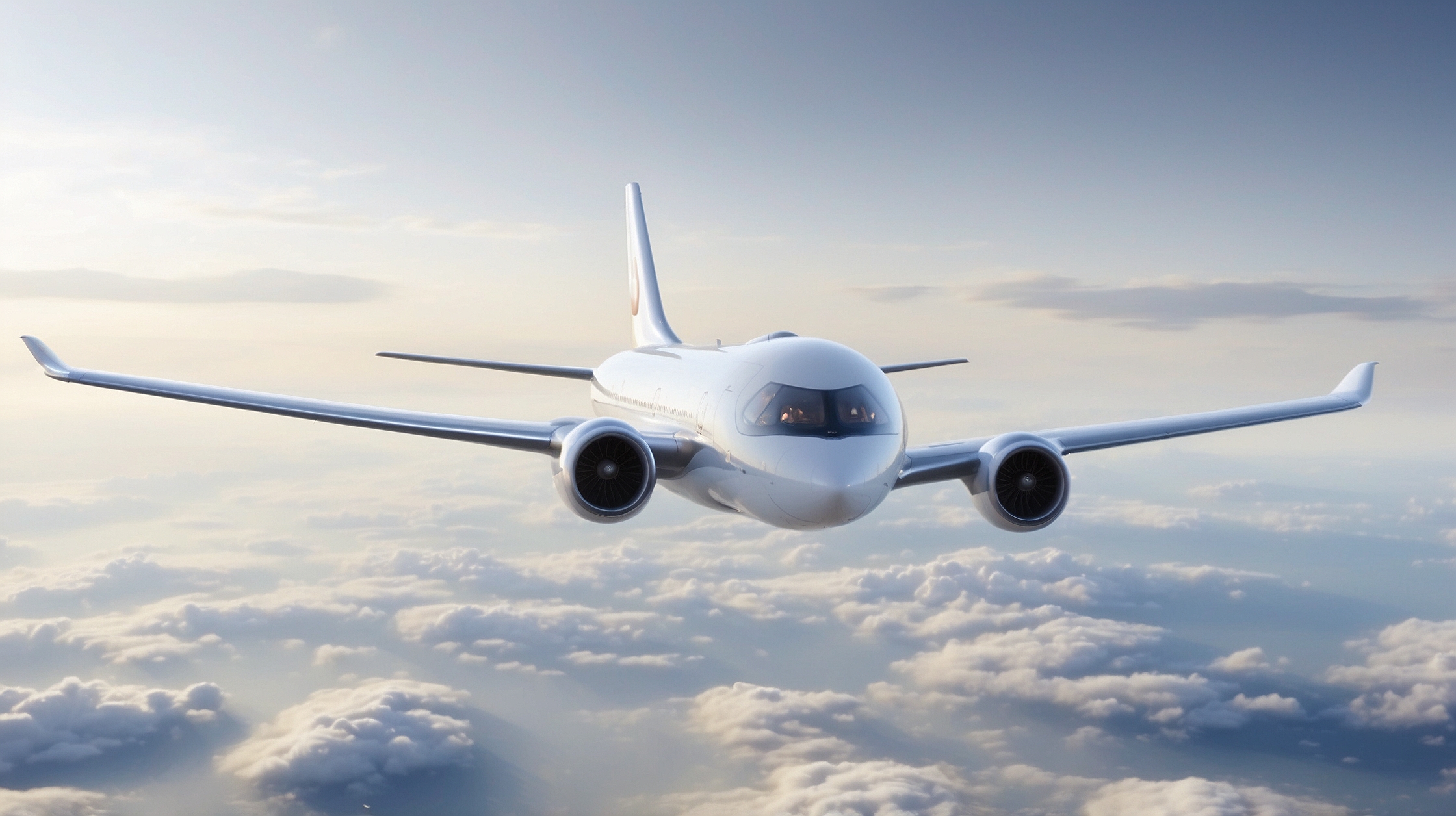
Under a muted sky on a remote Chinese airstrip, a rather unassuming aircraft taxis slowly across the tarmac. At first glance, it doesn’t appear to be anything extraordinary—a small plane with compact wings and a civilian-grade shell. But behind its plain exterior lies a vision that could redefine an entire sector of China’s economy. This is the RX4E, a four-seat electric aircraft developed by the state-owned Liaoning General Aviation Academy, geared not just for green flight, but for propelling China into a new low-altitude age.
Few would guess that this modest aircraft could be a central player in a vast and ambitious strategic push. The RX4E isn’t making headlines for luxury or speed—it’s significant for what it represents: a leap toward dominating the future low-altitude economy. With initiatives in place to build thousands of air routes, drone lanes, and new airspace zones, China has placed immense economic and strategic weight on expanding what it calls the “blue sky” economy. By 2035, the country expects this emerging sector to generate revenues in excess of €430 billion.
To understand why a seemingly simple electric plane carries so much importance, one has to dive deeper—into China’s bold infrastructure plans, aviation innovation, and its tightening grip on the airspaces below 3,000 meters. What may look like an aviation footnote today could be the platform from which an economic empire takes off.
The aircraft at the heart of China’s low-altitude ambitions
| Feature | Details |
|---|---|
| Model | RX4E Electric Aircraft |
| Capacity | 4 passengers (including pilot) |
| Designer / Developer | Liaoning General Aviation Academy |
| Flight Range | ~300 km on a full charge |
| Powered By | 100% electric propulsion system |
| Used For | Training, logistics, tourism, emergency response |
What changed this year
The RX4E has been in development since the mid-2010s, but its strategic relevance has surged dramatically in 2024. That’s because this year marks a sharp acceleration in China’s low-altitude economic plan, driven by a series of actions from the Civil Aviation Administration of China (CAAC) and multiple regional government pilot programs.
This year alone, China began setting up “droneways” and short-haul urban air mobility corridors. It’s also ramping up civil pilot training centers and launching low-altitude logistics initiatives. To match this pace, aircraft like the RX4E are being heavily promoted as platforms for flight schools and regional emergency services.
Why the low-altitude economy matters
In sectors ranging from agriculture to tourism, emergency response to logistics, the potential of flying low under national radar systems but above terrestrial limitations is huge. China defines the low-altitude economy as the airspace below 1,000 meters in altitude, which is largely untapped but is now being formalized through new routes, navigational systems, and operational frameworks.
This vertical zone is increasingly viewed as a new kind of frontier—like the internet was in the late 90s. By liberalizing parts of this airspace for civilian and industrial use, the government hopes to spark a wave of innovation and job creation. Analysts estimate that by 2035, more than €430 billion could be generated annually from activities tied to this airspace, from crop-dusting drones to air taxis and surveillance systems.
“This is not just about aircraft. This is about empowering over 200 industries that rely on efficient, real-time aerial mobility.”
— Dr. Liu Zongyi, Aviation Economist (placeholder)
Who the RX4E serves and why it fits the mission
Unlike military drones or high-performance jets, the RX4E is designed for accessibility and practicality. Piloting it requires less operational complexity, and its electric engine reduces cost significantly—making it ideal for training pilots at scale. It’s also a testbed for other small electric planes being developed for parcel delivery, medical aid, and border patrol.
The RX4E flies quietly and cleanly, and its 300km range allows it to serve regional flight patterns that pop up in most of China’s ambitious flight-path planning proposals. It is especially attractive to municipalities and provincial governments, which are buying into the low-altitude plan with increasing enthusiasm.
How infrastructure investment meets innovation
China is investing billions in support infrastructure for its low-altitude economy goals. This includes construction of around 3,000 new general aviation airports, drone command towers, and air corridors that connect emerging smart cities. Partnerships with automotive and aerospace conglomerates are rapidly turning concepts into physical projects.
All of this puts aircraft like the RX4E in pole position. They are usable not just as aircraft but also as platforms for testing regional airspace logistics, battery-powered mobility, and automated air traffic responses. Importantly, they show the world how China is taking green aviation forward at scale.
“Small aircraft are no longer toys — they are test labs for national strategy.”
— Chen Rui, Strategist at National Aviation Institute (placeholder)
Winners and losers in this massive shift
| Group | Outcome |
|---|---|
| Chinese aviation academies | Big win: new training curricula and aircraft demand |
| Private tech startups | Mixed: access to space but must clear regulatory hurdles |
| International aviation rivals | Loss: China moving fast on unique domestic model |
| Environmental groups | Win: electric aviation supports green agendas |
What other countries are watching closely
While China has charted its own low-altitude direction, nations around the globe are monitoring the results carefully. From India to Brazil, regions with their own sprawling geography and population densities see potential in adapting China’s framework. The development of cost-effective electric aircraft that can operate in decentralized frameworks may soon serve as a blueprint elsewhere.
Moreover, China’s regulatory model—placing pilot programs first, collecting data, then nationalizing successes—is increasingly viewed as best practice by aviation economists around the world.
The road to 2035
With 11 years left before the 2035 target, it’s clear China is ahead of schedule in its low-altitude rollout. But many challenges lie ahead. Battery densification, flight safety automation, and inter-city air clearance protocols remain to be solved. However, China’s show of intent—backed by weighty investments and centralized vision—has already signaled its dominance.
The RX4E may not appear high-tech at first glance, but it represents one of the most consequential technologies in China’s economic vision. Just as electric cars once looked like novelties, these small aircraft may soon form the arteries of a brand new vertical economy.
FAQs about China’s low-altitude economy and RX4E
What is a low-altitude economy?
This refers to economic activities conducted in airspaces below 1,000 meters altitude, including drone logistics, emergency flights, and short-haul aviation.
What is special about the RX4E plane?
The RX4E is a fully electric, four-seat aircraft designed for regional flights, training, and infrastructure development in China’s new low-altitude economy.
How far can the RX4E fly?
The RX4E has a range of approximately 300 kilometers on a full battery charge, suitable for short inter-city flights or emergency missions.
Who builds the RX4E?
The RX4E is developed by the Liaoning General Aviation Academy, a state-owned body focusing on green initiatives in aviation.
Why is China investing in low-altitude airspace?
The goal is to unlock a new layer of the economy, drive innovation, and enable faster transport for goods, services, and people in regional areas.
Is this aircraft available internationally?
Currently, the RX4E is focused on China’s market and infrastructure, though future exports remain possible depending on regulatory alignment.
How does this affect global aviation?
If successful, China’s model could be adopted by other nations seeking green growth, low-cost aviation training, and decentralized transport networks.