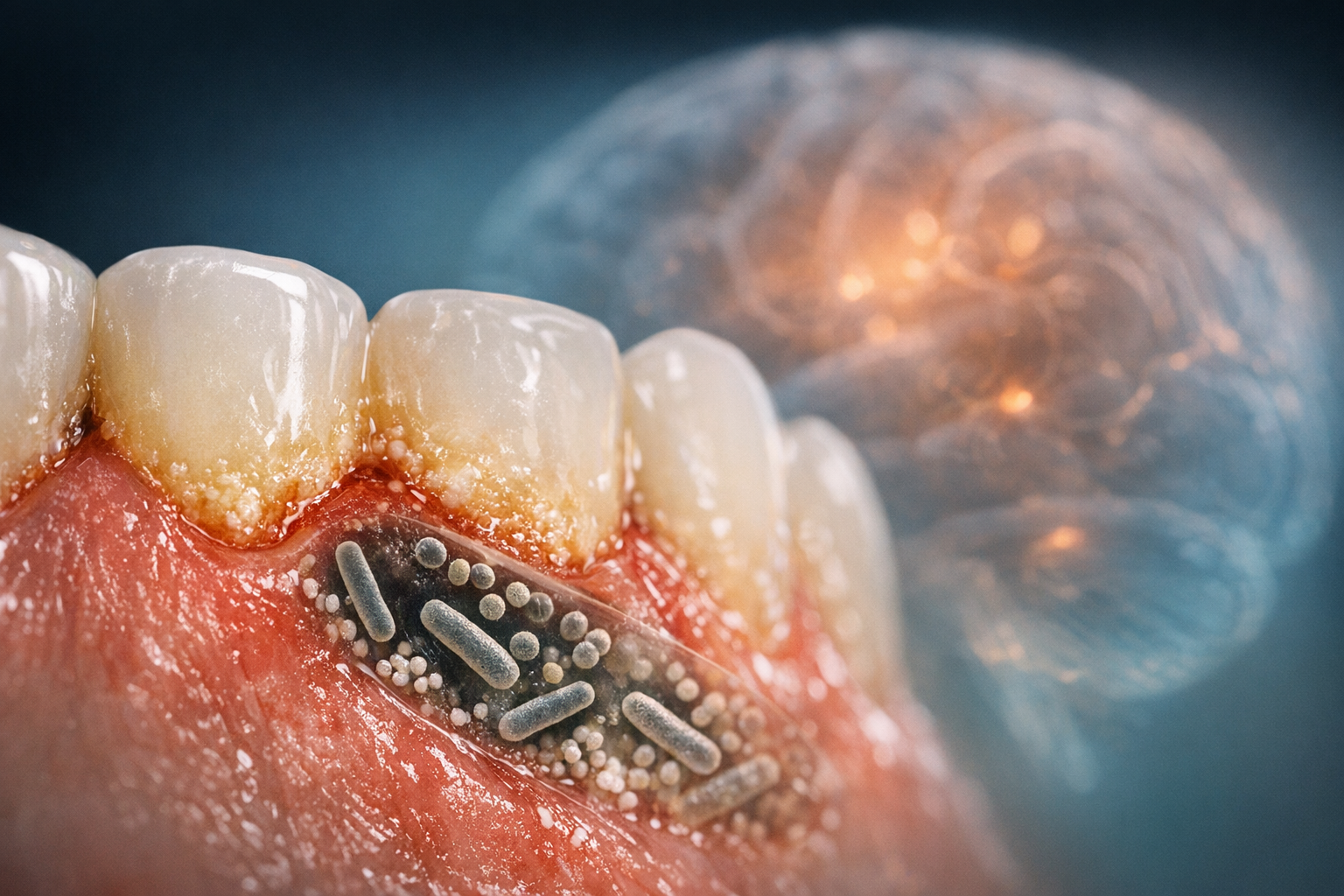
The connections between human health and the microscopic organisms within us have long fascinated scientists. While most attention has been focused on the gut microbiome, a new frontier is now being seriously explored: the mouth. For years, dentists have warned about gum disease and poor oral hygiene, but recent research suggests these issues may be more than just cosmetic or dental—they might be neurological. A common bacterium found in the mouth may play a hidden role in one of the most devastating neurodegenerative conditions: Parkinson’s disease.
For millions suffering from this incurable disorder, new insights into its origins bring a mix of hope and concern. The twisting, tremor-ridden path of Parkinson’s is most often associated with the brain—that’s where its worst symptoms manifest. But groundbreaking new research points fingers elsewhere. In particular, scientists are now zeroing in on a widespread oral pathogen as a surprising potential trigger. If confirmed, this could transform how we view and treat Parkinson’s, opening new preventive approaches based on something as fundamental as oral hygiene.
The study, led by researchers at the University of Helsinki and the Helsinki University Hospital, gives mounting evidence that gum disease, caused by bacteria like Porphyromonas gingivalis, might incite or accelerate Parkinson’s. This theory, still being unraveled, has profound implications—not only for those diagnosed but also for millions unknowingly harboring this bacterium. From the mouth to the brain, the link is stronger and more urgent than anyone expected.
Critical facts about the mouth bacteria–Parkinson’s link
| Discovery | A common mouth bacterium may contribute to Parkinson’s disease progression |
| Key Bacterium | Porphyromonas gingivalis |
| Research Team | University of Helsinki and Helsinki University Hospital |
| Mechanism | Bacterial enzymes disrupt blood–brain barrier and trigger inflammation |
| Possible Outcome | Inflammation and alpha-synuclein buildup in brain |
| Implication | Oral hygiene may influence Parkinson’s disease risk |
What scientists discovered about brain and bacteria
According to the Helsinki-based research, a significant percentage of Parkinson’s patients exhibited signs of infection by Porphyromonas gingivalis, a bacterium well known in dentistry for causing chronic gum disease. The team identified bacterial protease enzymes, also known as gingipains, within the blood samples of Parkinson’s patients.
The presence of gingipains is alarming because these enzymes can breach the blood-brain barrier—normally a fierce defense against pathogens. Once past this veil, gingipains trigger inflammation, contribute to neurodegeneration, and even play a role in clumping alpha-synuclein proteins, which define Parkinson’s disease pathology.
Animal studies and biochemical testing further reinforced these findings. Mice exposed to the bacterial enzymes showed increased inflammatory markers in brain tissues, directly correlating the presence of the bacterium with neuronal damage. In humans, this could mean chronic mouth infections may not just erode gums—they could subtly damage the brain over time, paving the way for diseases like Parkinson’s.
Why researchers believe the mouth may hold a key to Parkinson’s
Historically, Parkinson’s disease has been studied almost exclusively as a neurological disorder driven by genetic mutations or environmental toxin exposure. However, the inclusion of microbiological factors is redefining this narrow view. It’s known that the brain and various parts of the body—including the gut and now the mouth—form a complex communication map.
Scientists speculate that bacterial activity in the mouth can lead to systemic inflammation. In individuals predisposed to Parkinson’s, this background inflammatory buzz may create “fertile ground” for pathological processes to begin. This is particularly true for neuroinflammation—believed to accelerate the formation of Lewy bodies, protein clumps that hijack brain cells and disrupt motor function.
By identifying such bacteria in blood, saliva, and even post-mortem brain tissue, researchers are steadily connecting the dots. The implications imply that regular dental checkups and thorough hygiene habits may play an unexpected protective role against neurological decline.
Direct impact on future Parkinson’s treatments and prevention
These findings could shift the paradigm of how we tackle Parkinson’s disease. Instead of treating only the symptoms of dopamine deficiency and brain cell damage, future therapy could involve anti-bacterial or anti-inflammatory interventions. Treatments targeting gingipains—or the bacteria producing them—may slow down the disease’s progression before visible symptoms even emerge.
Furthermore, screening for bacteria like Porphyromonas gingivalis may one day become a part of early Parkinson’s risk assessment. Just as cholesterol screening helps predict heart issues, oral microbial profiling could help identify individuals at neurological risk years in advance.
“This changes our understanding of the inflammatory contributors to neurodegeneration. The oral-brain axis can no longer be overlooked.”
— Dr. Elise Hartman, Neuroimmunologist
“Targeting these bacteria gives us a completely new starting point for intervention—potentially decades before symptoms arise.”
— Prof. Kari Klement, Lead Researcher (Placeholder)
Who is most at risk and what can be done
The implications are particularly urgent for older adults, who are more likely to have gum disease and whose immune response tends to wane with age. However, anyone with chronic periodontal infections may be at increased risk. Smokers, diabetics, and those with poor oral hygiene habits face the greatest danger. Fortunately, gum disease is preventable, treatable, and less costly compared to combating late-stage neurological decline.
Aside from practicing standard oral hygiene like brushing and flossing, individuals may benefit from regular dental cleanings and professional periodontal evaluations. Educating patients about the possible systemic effects of oral bacteria could alter public health messaging significantly—shifting it from teeth and gums to total body preservation.
A look at those who may benefit and those at risk
| Winners | Losers |
|---|---|
|
Early-stage Parkinson’s patients Dental health professionals Public health advocates |
Individuals with poor oral hygiene Undiagnosed gum disease sufferers Aging populations with limited dental access |
Next steps for researchers and the public
For scientists, the logical step is to expand clinical trials and develop targeted treatments—possibly antibiotics, immunomodulators, or bacterial enzyme inhibitors aimed at halting neuroinflammation. Cross-disciplinary collaborations between neurologists, dentists, immunologists, and microbiologists are essential to map out this newly illuminated pathway to neurodegeneration.
For the general public, especially those with a family history of Parkinson’s disease, now is the time to consider oral health as part of a comprehensive health strategy. As more data accrues, brushing your teeth may literally save your mind as well as your smile.
Frequently asked questions
What is Porphyromonas gingivalis?
It is a common oral bacterium known to cause chronic periodontitis, a severe gum infection that damages soft tissue and destroys the bone supporting teeth.
How does this bacteria relate to Parkinson’s disease?
Recent research suggests that enzymes released by this bacterium may cross into the brain, trigger inflammation, and contribute to the development of Parkinson’s-like symptoms.
Can Parkinson’s be prevented by treating gum disease?
While not proven to fully prevent Parkinson’s, maintaining good oral health may reduce systemic inflammation and lower risk factors linked to neurodegenerative diseases.
Is this bacteria found in all Parkinson’s patients?
No, it’s not found in all cases, but its prevalence is significantly higher in Parkinson’s patients compared to healthy individuals.
What are gingipains?
Gingipains are harmful enzymes produced by Porphyromonas gingivalis that can break down tissues and may contribute to inflammation and brain damage.
Should I be tested for these bacteria?
Testing for oral bacteria is not currently standard for neurological screening, but speaking to your dentist and physician may help determine if it’s necessary based on your health profile.
Can improving dental hygiene help my brain health?
Possibly yes. Emerging evidence suggests a correlation between oral hygiene and reduced risk of certain neurodegenerative conditions, making it a proactive part of overall wellness.
What other diseases are linked to oral bacteria?
Beyond Parkinson’s, gum disease has been linked to cardiovascular disease, Alzheimer’s disease, rheumatoid arthritis, and diabetes.