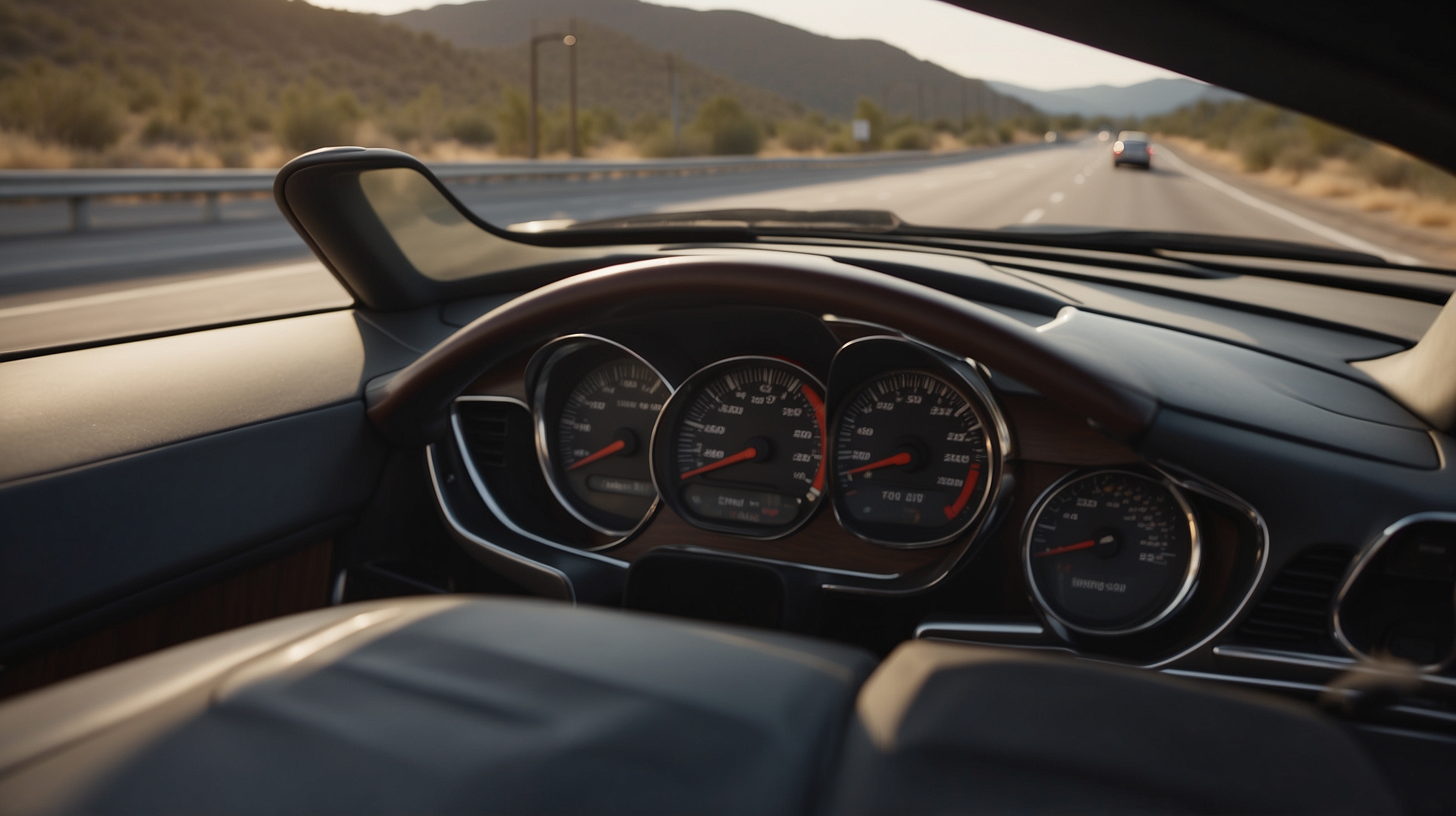
On a long stretch of open highway, a driver relaxes slightly behind the wheel, the hum of the engine steady and smooth. Outside, fields roll by in a blur, but inside the vehicle, there’s a quiet sense of control. With cruise control engaged, the driver maintains a consistent speed, easing the effort of constant foot control and optimizing how the vehicle uses fuel. Once considered a luxury perk reserved only for high-end cars, cruise control is now a standard feature in most vehicles—and it’s changing how people drive and how their cars perform.
In a world where rising fuel prices and environmental concerns dominate daily conversation, even the smallest step toward fuel efficiency matters. Whether it’s your daily commute or a weekend road trip, using cruise control could be helping your wallet and the planet more than you think. But just how effective is it?
Recent discussions among auto engineers and fuel efficiency experts have shed new light on the broad, long-term benefits of cruise control. From cost savings to engine health, this built-in feature might be doing more heavy lifting than any of us realized.
Key takeaways about cruise control benefits
| Topic | Details |
| Primary Benefit | Maintains constant speed to improve fuel efficiency |
| Engine Health | Reduces engine wear by avoiding speed fluctuation |
| Driver Fatigue | Lessens long-distance driving strain |
| Fuel Savings | Up to 7–14% improved economy on highways |
| Best Use Scenario | Flat, open highways with minimal traffic |
| Limitations | Less ideal for city traffic or hilly terrain |
Why maintaining a constant speed matters
One of the most energy-intensive aspects of driving is acceleration. Each press on the accelerator pedal forces the engine to work harder—leading to increased fuel consumption. Conversely, braking wastes energy that was spent on acceleration. Cruise control helps reduce this cycle by maintaining a uniform speed, especially beneficial during long highway travel.
In vehicles without cruise control, most drivers tend to fluctuate their speed without even noticing. These micro-changes, though small, accumulate significantly across long distances and can decrease overall fuel efficiency. By eliminating unnecessary speed variations, cruise control supports smoother engine performance and more consistent fuel use.
“Driving at a consistent speed not only optimizes fuel but also reduces stress on engine components over time.”
— Sarah Lee, Automotive Efficiency Analyst
Real-world impact on fuel efficiency
Various studies and user reports indicate that **drivers using cruise control on highways can observe 7–14% better fuel economy** compared to manual speed control. This effect is most pronounced on flat terrain where there are few changes in elevation or speed limits.
For an average driver covering hundreds of highway miles per month, that percentage can translate into notable annual fuel savings. For example, if your car consumes $1500 in fuel annually, a 10% increase in efficiency returns approximately $150—enough for an extra maintenance check or even partial insurance installments.
“Cruise control is one of the easiest ways to stretch your fuel budget. It doesn’t cost anything extra and works passively once engaged.”
— Jason Martin, Vehicle Fleet Trainer
Cruise control also reduces engine wear
Engines operate more efficiently when they maintain a steady output rather than frequent shifts in workload. Cruise control helps stabilize RPM (revolutions per minute), avoiding unnecessary surges or drops. This steady state of operation reduces **engine wear**, particularly on components like fuel injectors, transmission systems, and even tires due to consistent speed.
For long-distance drivers and transport professionals, the accumulated benefit of smoother engine operations can mean fewer trips to the mechanic and a longer vehicle lifespan.
“The smoother you drive, the longer your engine lasts. Cruise control smoothens the ride not just for the driver but also for the engine compartments.”
— Elena Torres, Senior Auto Technician
Improved driver comfort and focus
One often overlooked benefit of cruise control is the reduced mental and physical fatigue it offers. On long drives, constantly adjusting speed can be tiring, putting strain on both leg muscles and concentration. Cruise control gives drivers a break by **maintaining the pace**, allowing them to relax slightly and focus more on steering and road surroundings.
This can also contribute to safer driving behaviors by reducing the temptation to speed or engage in erratic acceleration and braking—two common causes in highway collisions.
When cruise control is most effective
Cruise control proves most beneficial under the following conditions:
- Long stretches of highway or interstates
- Flat terrain with limited gradient changes
- Low to moderate traffic conditions
- Dry weather and clear visibility
These conditions allow cruise control to manage speed optimally without needing frequent driver intervention. It’s less effective—and sometimes dangerous—on winding roads, hilly terrain, and urban environments where speed changes are frequent and unpredictable.
Dynamic cruise control and modern upgrades
Thanks to technological advances, many modern vehicles now include **dynamic or adaptive cruise control**. These enhanced systems automatically adjust vehicle speed based on the flow of traffic, maintaining a safe distance from the car ahead.
While older systems simply lock speed in place, adaptive cruise control adds an extra layer of safety and usability, making it more practical in variable-speed traffic conditions. Though not foolproof, these advancements have further boosted the value of cruise control for today’s drivers.
“With adaptive systems in play, drivers now get the best of both worlds—comfort and safety. It’s no longer just about speed stability; it’s about intelligent control.”
— Dr. Kamal Bashir, Automotive Technology Professor
Who benefits—and who doesn’t?
| Winners | Losers |
| Highway commuters | City or urban drivers |
| Delivery and logistics drivers | Off-road or mountain trail users |
| Fuel-conscious consumers | Drivers in heavy stop-and-go traffic |
| Older vehicle owners with factory cruise | Cars lacking cruise control or having defective systems |
A simple tool with long-term benefits
In today’s vehicle ecosystem filled with apps, sensors, and complex dashboards, cruise control stands out as a **low-key yet high-impact feature**. It doesn’t require any subscriptions, complex learning curves, or expensive upgrades. It’s built in, it’s simple to activate—and when used wisely, can lead to reduced emissions, lower fuel bills, fewer mechanical problems, and less driving fatigue.
Whether you’re planning a cross-country vacation or just commuting a few hours each week on the freeway, taking full advantage of cruise control could make a noticeable difference over time.
“Sometimes, it’s the simple habits—like using cruise control regularly—that make the biggest impact on both vehicle life and driver satisfaction.”
— Rebecca Mills, Road Safety Strategist
Frequently Asked Questions about Cruise Control
How does cruise control improve fuel efficiency?
By maintaining a steady speed, cruise control reduces unnecessary acceleration and braking, which helps your engine consume fuel more efficiently.
Does cruise control work in city driving?
No, cruise control is not ideal for city driving due to frequent stops, speed changes, and traffic patterns.
Can cruise control be harmful to your car?
When used appropriately, cruise control actually benefits your car by reducing wear on engine and brake systems.
What vehicles have cruise control?
Most modern vehicles come equipped with cruise control, and many mid-to-high-end models feature adaptive systems for better performance in traffic.
Is it safe to use cruise control in rain or snow?
It is generally advised not to use cruise control in slippery or wet conditions, as sudden loss of traction can become dangerous.
Is adaptive cruise control better than regular cruise control?
Yes, adaptive systems can adjust speed automatically based on traffic flow, enhancing both convenience and safety.
How much fuel can I save using cruise control?
Drivers may save between 7% to 14% on fuel costs when using cruise control on highways, depending on driving habits and terrain.
Should I use cruise control when driving downhill?
Use caution, as cruise control can sometimes increase speed on descents. Some vehicles have downhill assist to manage this more safely.