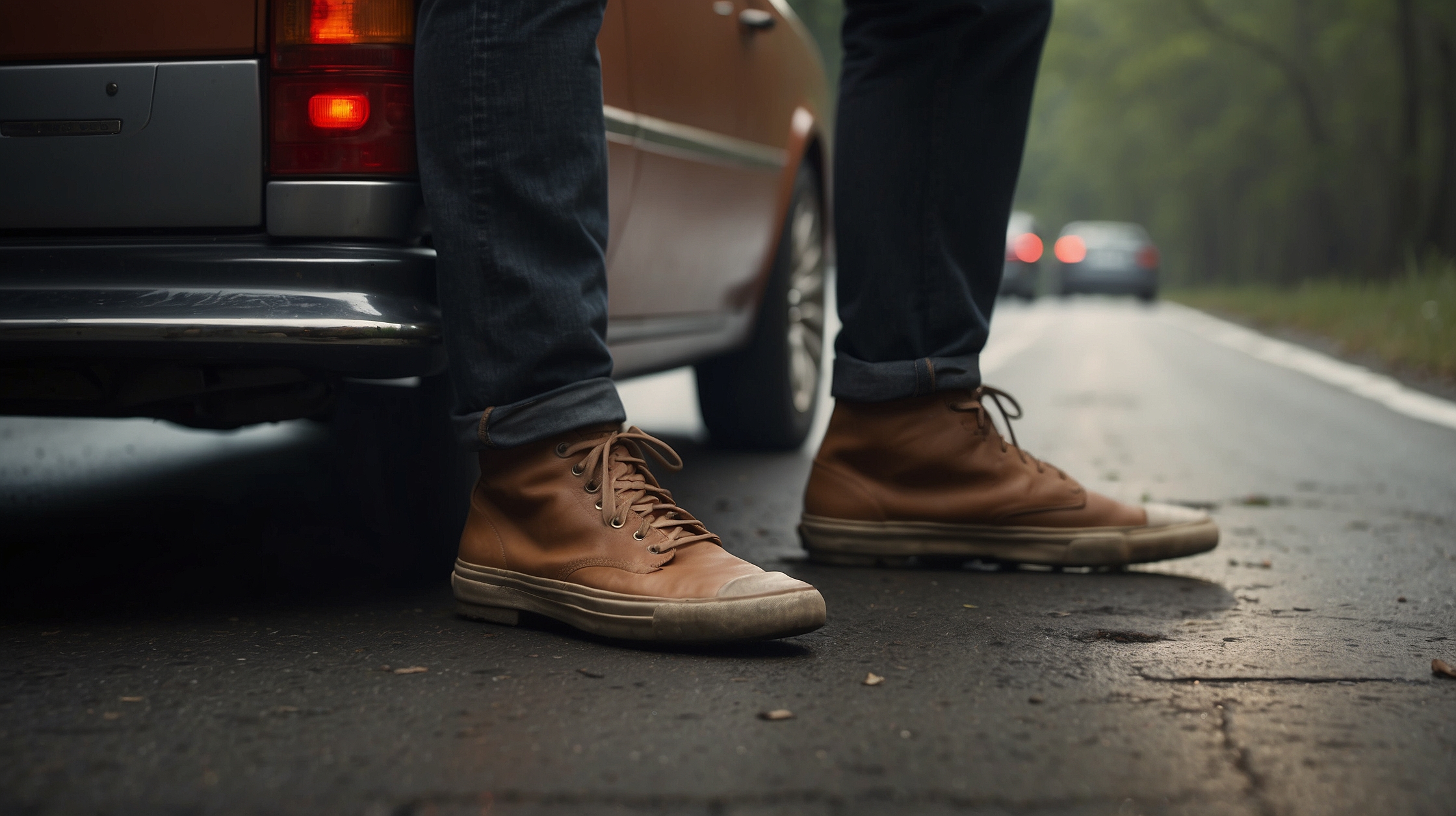
It’s a habit many drivers don’t even realize they’ve developed. You settle into your seat, adjust your mirrors, buckle up, and start the engine. As you prepare to navigate your commute or road trip, your left foot naturally drifts to rest on the clutch pedal — or in automatic cars, maybe somewhere near the brake or dead pedal. It feels comfortable, instinctive even. But that tiny movement, repeated day after day, could be wreaking havoc on your vehicle in ways most drivers never consider.
Auto repair shops and mechanics report a surprising number of premature part failures that can often be traced back to this very behavior. Whether it’s the clutch wearing out too soon, brake components enduring unnecessary stress, or transmission systems overworked from improper foot placement, the consequences run deep — and costly.
Understanding why this happens, and how to avoid it, can save drivers a significant amount in repair bills and extend the life of key components. It’s not just about better driving — it’s about smarter driving. Here’s what every car owner needs to know.
Key issues with foot placement while driving
| Issue | Impact | Estimated Cost of Damage |
|---|---|---|
| Resting foot on clutch pedal | Premature clutch wear | $1,000 – $2,500 |
| Constant brake pressure in automatic cars | Brake pad and rotor wear | $300 – $800 |
| Favoring dead pedal while shifting weight | Driver fatigue, poor posture | Long-term comfort issues |
| Overuse of accelerator with foot placement | Higher fuel consumption | Varies by vehicle |
What happens when you rest your foot on the clutch
For manual transmission vehicles, the most dangerous habit is resting your left foot lightly on the clutch pedal. Even a slight pressure causes the clutch to *partially disengage*, leading to what’s known as “riding the clutch.” When this happens, the clutch disc and pressure plate are constantly making unnecessary contact, wearing out much faster than they should.
Eventually, this translates into a need for full clutch replacement — an expensive repair that can easily run over $1,500. Worse still, if the issue goes unchecked, you may damage other drivetrain components, such as the flywheel.
“Even a small amount of residual pressure is enough to cause premature clutch wear. Drivers often don’t feel it, but the mechanics see the damage every day.”
— Travis McQueen, Certified Automotive Technician
Why automatic drivers aren’t off the hook
While automatic drivers don’t need a clutch, they’re guilty of a different but equally damaging habit: unintentionally hovering over or lightly touching the brake pedal. This habit, known as “brake riding,” causes unnecessary braking that can lead to overheating and quicker degradation of brake pads and rotors. In some cases, constant braking also triggers the brake lights, misleading other drivers and increasing accident risk.
Brake systems are engineered to operate in a cycle: engage, release, cool. Disrupting that cycle by keeping them constantly engaged increases wear and demands more frequent replacement. If heat builds up too much, your brake fluid may also suffer, reducing braking efficiency — a highly dangerous outcome.
Understanding the dead pedal: your friend in foot placement
Many modern cars include a component called the dead pedal, positioned to the left of the clutch or brake pedal. While some see it as just a footrest, it serves an important function: giving your left foot a safe place to relax that doesn’t interfere with vehicle operation. It helps reduce fatigue on long drives and prevents instinctive clutch or brake contact while cruising.
Learning to use the dead pedal properly encourages ergonomically correct driving posture, offers better vehicle control, and minimizes bad habits. For vehicles that lack a dead pedal, aftermarket options are available and worth considering.
Long-term consequences beyond parts replacement
When vehicle components wear out prematurely due to improper foot placement, it’s more than just an inconvenience. Drivers may face:
- Increased repair bills and more frequent service visits
- Reduced resale value due to signs of excessive wear
- Potential safety risks from compromised braking or transmission systems
- Decreased fuel efficiency and higher operating costs
None of these outcomes are inevitable — but without awareness, they become a costly reality for many drivers.
What professional instructors teach about proper foot technique
If you take a course at a professional driving school, proper footwork is one of the first things taught. Instructors emphasize the following:
- Use the clutch only when actively shifting
- Rest your left foot fully away from any pedals when not shifting
- In automatics, keep your left foot off the brake unless stopping
- Rely on the dead pedal to improve posture and reduce fatigue
- Avoid sudden switches between accelerator and brake as habit
Bad habits take time to reverse, but the payoff — both personal and financial — makes the effort worthwhile.
“Foot control is foundational in racing — and everyday driving isn’t that different. You need precision, not pressure.”
— Jasmine Ortega, Performance Driving Coach
How to retrain your foot habits for safer driving
If you’ve recognized your own driving habits in this article, there’s good news: it’s not too late to change. Here’s how to make better foot placement second nature:
- Be conscious: The first step is awareness. Pay attention to where your left foot rests while you drive.
- Practice parking lot drills: Before hitting busy roads, practice smooth acceleration and declutching in a safe setting.
- Remind yourself: Use mental cues or even physical notes to reinforce using the dead pedal.
- Upgrade interior ergonomics: Consider pedal extenders or repositioning seats to ensure natural foot placement.
- Ask a passenger to observe: They might spot habits you’re unaware of.
Drivers most at risk of forming bad pedal habits
| Group | Why They’re at Risk |
|---|---|
| New drivers | May not yet recognize proper foot positioning or dead pedal use |
| Drivers switching between manual and automatic | Foot positioning confusion between driving modes |
| Commuters with long daily drives | Tend to rest their feet out of fatigue |
| Older vehicles without dead pedals | No convenient resting place for the left foot |
Simple steps for long-term vehicle health
Protecting your vehicle doesn’t always come from investing in more repairs — sometimes it starts with correcting your habits. Learning to park your foot properly and minimizing unnecessary contact with key pedals can extend parts’ life, reduce repairs, and improve your driving safety.
Taking just a few minutes to re-examine how you drive, particularly where you rest your foot, ensures better performance for years to come. More importantly, it’s a reminder that every part of the car — and the driver — has a role to play in vehicle longevity.
Frequently asked questions about foot placement while driving
Is it okay to lightly rest your foot on the clutch?
No, even gentle pressure on the clutch pedal causes partial disengagement that can wear out clutch components prematurely.
Why do some cars have a pedal that’s not used for driving?
That’s a dead pedal — a flat resting spot for your left foot. It improves comfort and prevents unintentional contact with clutch or brake pedals.
Can bad foot placement affect my car’s braking ability?
Yes, riding the brake in automatics can overheat brake components and reduce their effectiveness over time.
How can I change my foot habits?
Start by observing where your foot naturally rests, use the dead pedal, and retrain muscle memory through mindful practice.
Are newer drivers more prone to these mistakes?
Yes, especially those unfamiliar with manual cars or switching between transmission types. Training and awareness help prevent bad habits.
Is using the dead pedal standard practice?
It is recommended for comfort and safety. Many professional instructors teach its use during driver education.
How much can clutch replacement cost if I wear it out early?
Depending on the car, clutch replacements may cost between $1,000 to $2,500 including labor.
Does proper foot placement really save money?
Yes, by avoiding premature wear on expensive components like clutches and brakes, proactive foot habits help avoid large repair bills.