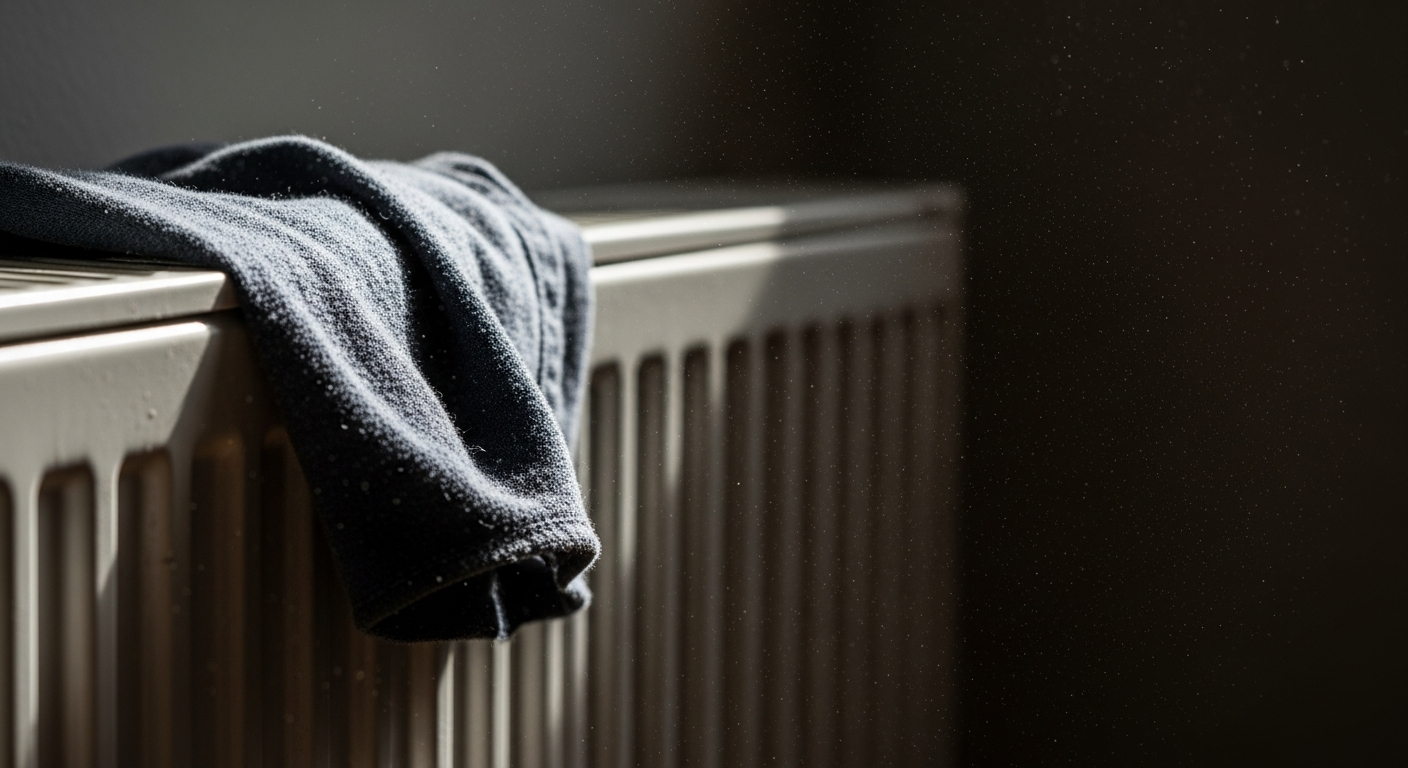
Drying clothes indoors may seem like a practical solution, especially during colder months or when outdoor drying isn’t feasible. Many households turn to placing damp laundry near radiators or other heat sources to speed up the drying process. While convenient, this common habit could be contributing to an unexpected problem inside the home: increased indoor dust levels. New insights reveal that what seems like a harmless routine may actually be aggravating allergies, degrading indoor air quality, and promoting the buildup of airborne particulates.
The surfaces in your living space interact with the environment in subtle yet impactful ways. Adding moisture to the air, especially in localized areas, can ripple through your home’s microclimate. Researchers and environmental experts are calling attention to the health implications of drying clothes indoors—not just because of the humidity, but because of its synergy with radiator-driven convection currents that carry dust and allergens to every corner of your home. Let’s dive deep into why this happens and, more importantly, what simple changes you can make to protect your home and health.
Quick facts about drying clothes near radiators
| Issue | Increased indoor dust and allergens |
| Main Cause | Warm air currents lifting textile fibers and dust particles |
| Common Sources | Radiator use, poor ventilation, synthetic fabrics |
| Primary Risks | Respiratory irritation, allergy symptoms, dust mites |
| Best Alternatives | Dehumidifiers, outdoor drying, heated drying racks |
| Prevention Tips | Improve airflow, vacuum regularly, reduce radiator drying |
How radiator drying increases indoor dust
When clothing is placed on or near a radiator, heat speedily evaporates the moisture trapped in the fabric. As the water vapor enters the air, it carries with it microscopic textile fibers, chemical residues from detergents, and a variety of allergens that were lodged in the clothing. The rise in humidity also alters the room’s air pressure and density, triggering hidden air currents that elevate settled dust into motion.
This process is known as the “convection effect”. Radiators generate vertical air movement that pulls dust, pet dander, and other lightweight particulates from the floor and surfaces and circulates them throughout your living environment. Essentially, the more frequently and closer you dry clothes to a radiator, the more you intensify this dust-lifting cycle.
The health concerns many overlook
Long-term exposure to elevated dust concentrations leads to multiple health issues, especially for individuals with respiratory sensitivities. From mild symptoms like eye irritation and sneezing to more chronic conditions such as asthma or eczema flare-ups, the consequences can be notable. Children and elderly individuals are particularly vulnerable, as their immune and respiratory systems may not cope well with fluctuating indoor air compositions.
In more severe scenarios, the additional indoor humidity from frequent clothes-drying creates an inviting environment for mold spores and dust mites—two of the most notorious culprits behind indoor air-related allergic reactions.
“Most people think of humidity and mold, but few realize that increased airborne fibers and disturbed dust are just as problematic.”
— Dr. Felicia Moore, Indoor Air Quality Specialist
The hidden role of fabric type and detergent residues
Though all laundry can contribute to airborne dust, some fabrics release more particulates than others. Synthetic blends such as polyester or nylon tend to shed microplastics and fine fibers more readily than natural fabrics like cotton or wool. These invisible fibers become suspended in the air, often accompanied by residues from fabric softeners, scented detergents, and bleach-based additives. When warmed, these residues can vaporize or break down into smaller chemical particles, compounding indoor pollution.
“Research has shown that residue from scented dryer sheets and concentrated detergents may degrade into volatile organic compounds under strong heat. These compounds can be harmful as well.”
— Prof. Andre Leclair, Textile Chemist
Tactics to reduce dust while drying clothes indoors
Fortunately, there are a number of practical steps to mitigate the impact of indoor clothes-drying. These include both behavioral changes and environmental upgrades:
- Use a dehumidifier: Rather than relying on heat, a dehumidifier can dry clothes while reducing moisture buildup and preventing dust circulation.
- Improve natural ventilation: Cracking a window—even slightly—can aid in dispersing airborne fibers and restoring indoor air balance.
- Choose low-shed fabrics: Opt for tightly woven, natural materials that are less prone to shedding particles.
- Vacuum frequently: Use HEPA-filter vacuums to remove lifted dust from carpets, floors, and upholstery regularly.
- Clean radiators monthly: Dust and lint accumulate behind and within the radiator units. Wiping down these units can reduce circulating particulates.
Are heated drying racks a safe alternative?
Heated drying racks offer a more targeted and efficient drying method without the powerful convection cycles caused by radiators. These appliances produce gentle, even heat and usually have built-in timers, preventing overheating or excess humidity buildup. As an added bonus, they can be easily combined with a dehumidifier to enhance performance while minimizing air contamination.
This option is especially beneficial in small apartments or homes where outdoor drying isn’t viable. Models with fan-assist features further decrease the risk of suspended dust by promoting directional airflow.
“Heated racks don’t encourage the same turbulent air patterns as radiators, so they result in fewer particles being pushed into circulation.”
— Elena Fischer, Domestic Airflow Engineer
When outdoor drying isn’t an option
Not everyone has access to an outdoor area suitable for clothing lines. Urban living, unpredictable weather, or shared community spaces may prohibit external drying. In such cases, managing the home’s internal air quality becomes paramount.
Using a dedicated laundry-drying room, installing extractor fans or window vents, and rotating drying positions in larger rooms can significantly reduce dust concentrations. Consider placing drying racks over tiled surfaces, like the bathroom, where particulates don’t embed in carpets or fabric surfaces as easily.
Smart habits for cleaner home air
Good indoor air quality isn’t only about avoiding pollutants; it’s about managing home habits consistently. Even with winter approaching or monsoon seasons drenching outdoor spaces, it’s crucial not to default to radiator drying as your main option. Instead, take a seasonal approach and equip your household with more efficient alternatives.
The benefits go beyond cleanliness—less exposure to indoor pollutants means better sleep, concentration, mood, and overall vitality.
FAQs on indoor clothes drying and dust
Does drying clothes near a radiator cause more dust?
Yes. The heat from the radiator creates convection currents that lift dust and textile fibers into the air, increasing indoor dust levels.
Why is humidity from drying clothes a problem?
Excess humidity promotes mold, dust mites, and condensation—all of which degrade indoor air quality and heighten allergy risks.
What types of fabrics shed the most during drying?
Synthetics like polyester and nylon tend to shed more microfibers compared to natural fabrics like cotton or wool.
Can an air purifier help reduce dust during indoor drying?
Yes. A good HEPA-filter air purifier can capture airborne particulate matter, reducing the overall dust load while clothes dry.
Are heated clothes racks better than radiator drying?
Yes. Heated racks provide consistent, directional heat without agitating air turbulence, making them less likely to stir up dust.
What is the safest way to dry clothes indoors?
Use a dehumidifier or heated drying rack in a well-ventilated space, and avoid placing wet clothing directly on or near radiators.
How often should I vacuum if I dry laundry indoors?
Ideally, vacuum living areas two to three times per week using a vacuum with a HEPA filter to manage increased particulate levels.
Do dehumidifiers help with indoor allergens?
Yes. By reducing humidity, they limit mold growth and inhibit dust mites, both of which are major sources of indoor allergens.