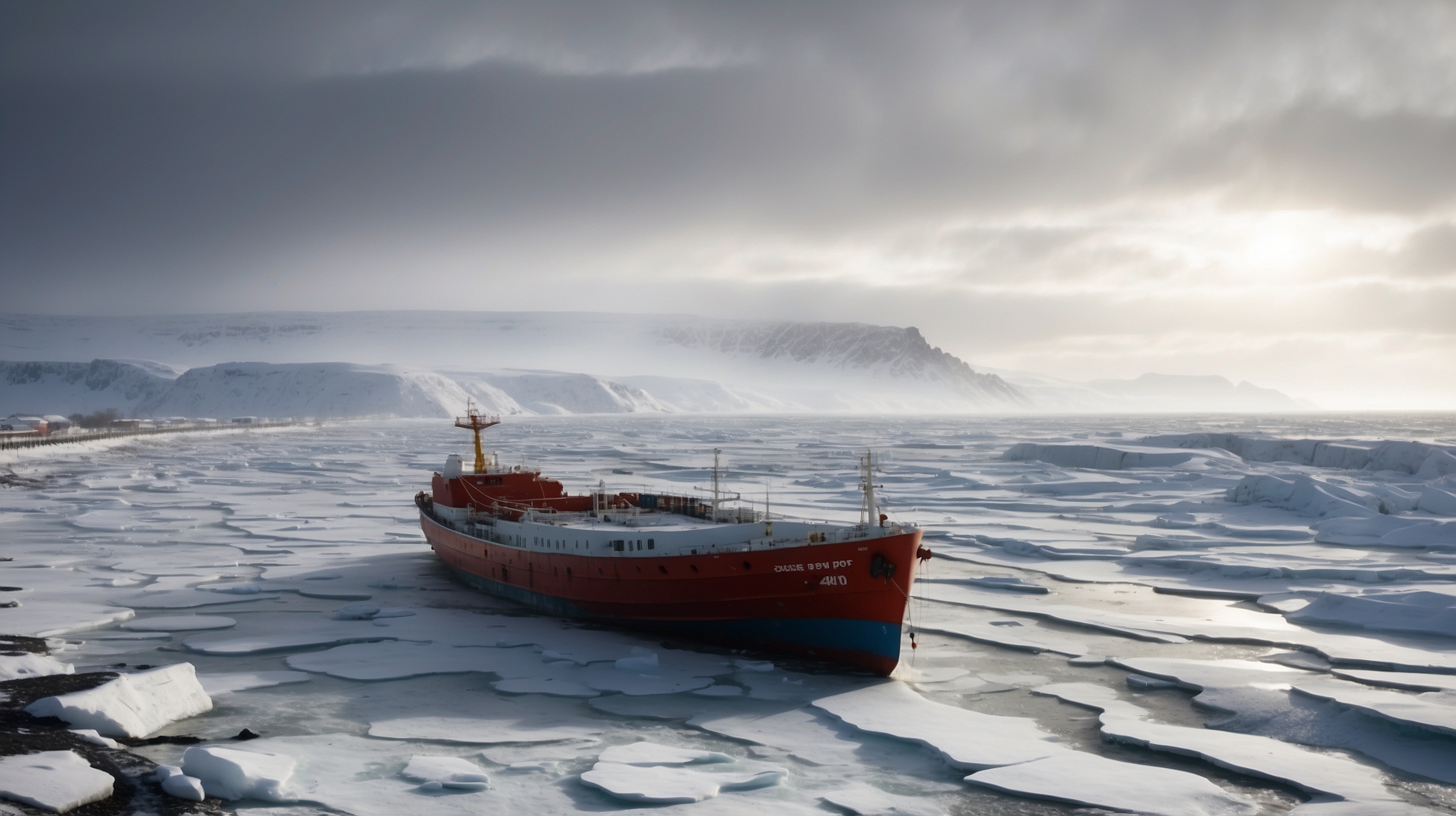
January usually brings predictable cold spells across many parts of the Northern Hemisphere, but this year, winter is acting out of the ordinary. Instead of the typical pattern of prolonged Arctic cold locked in the polar region, forecasters are seeing early cracks in the system. Across the globe, meteorologists are raising red flags about an *unusually early Arctic breakdown* in January—an event that could have sweeping impacts from the United States to Europe to Asia.
In recent decades, January has rarely been the time for major polar disruptions. That’s changed this year. Atmospheric behavior that has not been observed for over 40 years is currently taking place, sending ripple effects through the jet stream and stirring fears of extreme winter weather events in coming weeks. What drove this unusual behavior? And what could it mean for weather patterns, agriculture, and energy demand in 2024?
Through a blend of meteorological insight, historical data, and cutting-edge forecasting, experts are cautiously sounding the alarm. This year’s breakdown of the polar vortex isn’t just early—it’s shaping into a rare and potentially chaotic event.
Key facts about the early Arctic breakdown in 2024
| Aspect | Details |
|---|---|
| Event | Early Arctic breakdown / polar vortex disruption |
| Timing | January 2024 |
| Atmospheric Signal | Sudden Stratospheric Warming (SSW) signals observed |
| Unusual Feature | Breakdown occurring 3–4 weeks earlier than typical |
| Region Affected | Entire Northern Hemisphere (esp. North America, Europe, parts of Asia) |
| Implications | Extreme cold snaps, erratic jet streams, heavy snowstorms |
| Historical Comparison | Similar signals last seen in late 1980s and early 2000s |
What changed this year
The Earth’s upper-level atmosphere is usually a fortress of icy winds in January, especially around the Arctic Circle. This year, however, a significant shift in stratospheric dynamics—known in meteorological terms as a Sudden Stratospheric Warming (SSW)—triggered the early breakdown of the polar vortex. Such an event warms the stratospheric layers above the North Pole, weakening or even reversing the normally stable polar wind circulation.
Instead of keeping frigid air locked in at the top of the planet, a weak polar vortex allows cold Arctic air to slip southward, often in spurts. These “fingers” of cold can reach deep into continents like North America, Europe, and Asia, setting the stage for blizzards, ice storms, and prolonged cold waves.
While SSWs aren’t new, January’s timing is unusual. Meteorologists say the breakdown this year arrived nearly a month ahead of typical cycles. When combined with warming oceanic conditions and an active El Niño, this atmospheric disturbance is poised to bring sharp weather changes globally.
“The stratosphere is offering signals we haven’t seen since the early ‘80s. Meteorologically speaking, this is like a cracked mirror reflecting unexpected patterns.”
— Dr. Linda Moreno, Atmospheric Scientist
How cold air escapes the Arctic bubble
At the core of understanding the Arctic breakdown is the concept of the polar vortex. It’s a swirling mass of cold, dense air high above the Arctic that typically remains strong during winter months. But when disruptions like SSW occur, the vortex wobbles or collapses, and cold air spills out aggressively into mid-latitudes.
The jet stream then wavers more than usual, carving out deep troughs or high ridges that steer weather systems further south or stall them completely. This setup often leads to dramatic weather changes: a balmy start in one region followed by plummeting temperatures days later.
Such sharp weather swings make planning for agriculture, transportation, and energy supply notably more difficult. And in a warming world, these phenomena otherwise linked to winters past are returning in erratic new forms.
Regions most likely to feel the impact
Some regions are particularly vulnerable during such Arctic disruptions:
- North America: The Midwest and Northeast U.S. could experience prolonged snowstorms and subzero temperatures, especially in late January into early February.
- Europe: Western and Central Europe may revert to icy patterns after an unusually mild start to the month.
- Northern and Central Asia: Siberia and parts of Mongolia are expected to dive deep into colder-than-average extremes.
These colder spells carry significant risk, especially for communities unprepared for severe cold after a relatively warm start to winter.
The science behind sudden stratospheric warming
While many factors influence weather, one of the most potent drivers of mid-winter change is Sudden Stratospheric Warming. This phenomenon occurs when massive atmospheric waves from the troposphere below rise and destabilize the stratosphere above, leading to warming of 30–50°C in a matter of days. The effect weakens the polar vortex and changes circulation patterns across the entire hemisphere.
Forecasters noted key signs in early January: low geopotential heights over Scandinavia paired with high pressure near Alaska. These changes initiated the chain reaction leading to the January breakdown. While forecasting exact impacts remains tricky, one thing is clear—this SSW event is substantial and could usher in a month of chaos.
“We’re looking at the early stages of a polar vortex collapse, and that opens the door to cold air outbreaks from coast to coast.”
— James Leung, Senior Forecast Analyst (placeholder)
Comparing to past disruptions
The last comparable early Arctic breakdown was seen in 1985 and again around 2009–2010. Those winters were notably harsh, with major weather events like snowfalls in southern U.S. regions and prolonged freezes across Europe. If current forecasts hold, 2024 may rival or exceed the severity of those years.
There’s also a growing concern among experts that these early disruptions could become more frequent in a world impacted by climate change. Whether that link proves lasting remains under study, but the evidence is piling up.
Who wins and who loses in this pattern
| Winners | Losers |
|---|---|
| Ski resorts with early snow boosts | Homeowners in uninsulated regions |
| Energy suppliers profiting from higher demand | Road and air travelers facing delays |
| Winter gear and heating manufacturers | Farmers with early crop threats |
What’s next in weather forecasting
While short-term models are increasingly accurate, long-range forecasting amid such disruptions remains difficult. Experts now advise greater reliance on ensemble model predictions—simulations that run the forecast many times under slightly different conditions to find the most likely path.
The next critical window is late January into early February, when the Arctic air could begin its descent in earnest. Energy markets, governments, and even school systems are already bracing for localized impacts.
“We could be looking at one of those winters that defines a decade. Preparedness is key in the weeks ahead.”
— Ellen Park, Meteorological Consultant (placeholder)
Frequently asked questions about the 2024 Arctic breakdown
What is a sudden stratospheric warming event?
It’s when the stratosphere over the Arctic rapidly warms, disrupting the polar vortex and leading to cold air moving southward.
Why is the Arctic breakdown happening so early this year?
It’s likely due to a combination of atmospheric wave activity, El Niño ocean patterns, and unusual pressure setups in the upper atmosphere.
Which areas will be most affected by the change?
Parts of North America, Europe, and Central Asia are most likely to experience extreme cold and snow events.
How long could the cold pattern last?
If the polar vortex weakens significantly, cold weather could persist for several weeks into February or longer.
Is this linked to climate change?
Some scientists believe Arctic warming and declining ice may influence how often and strongly these disruptions occur, though research is ongoing.
What can individuals do to prepare for this weather?
People should check heating systems, winterize homes and vehicles, and stay alert for local weather alerts.
Is this event rare historically?
Yes, events of this magnitude typically occur only once every decade or two—making January 2024 notably unusual.
Could this pattern shift and miss major population centers?
It’s possible but unlikely. Models suggest cold outbreaks will impact broad regions over the next few weeks.