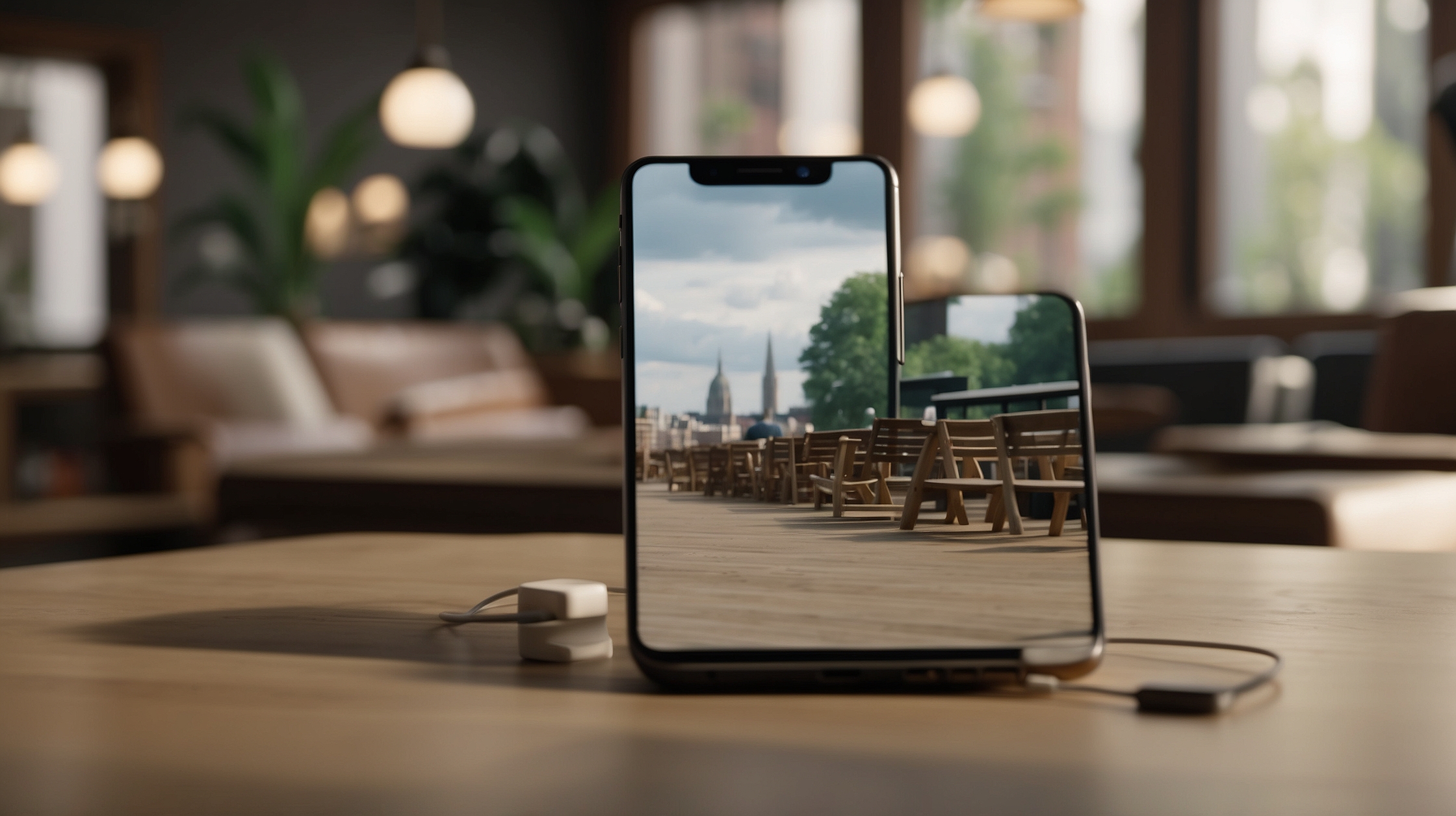
Picture this: You’re about to plug in your smartphone to charge, and you suddenly realize—there’s no port to plug into. Not because your cable is missing or broken, but because your phone no longer has a port at all. This might sound futuristic, but it’s a vision that’s quickly coming into focus as new European Union regulations create unexpected ripple effects in the tech world. The post-USB-C era is approaching faster than many expected, transforming how consumers interact with and charge their devices.
Over the past decade, smartphones have been refining features and eliminating unnecessary extras. Buttons have disappeared. Bezels have shrunk. Now, ports—especially for charging and data transfer—may be next to go. Spurred by regulatory changes and accelerated by growing wireless innovations, the march toward a **completely portless smartphone future** seems inevitable. But how did we get here, and why is Europe playing such a big role?
In early 2024, the EU officially implemented a law standardizing USB-C as the mandatory charging port for a wide range of electronics. While the regulation aims to reduce e-waste and simplify consumer electronics, it’s also nudging tech companies to explore a bolder option: devices with no physical ports at all. The law unintentionally incentivizes phone makers to skip the connector altogether—and that could redefine the mobile industry.
How did we get to this turning point
| Policy Trigger | EU mandates USB-C for all smartphones sold in member nations by end of 2024 |
| Industry Response | Major manufacturers exploring wireless-only designs to sidestep regulation |
| Technology Factors | Advances in wireless charging, data transfer, and cloud systems |
| Consumer Impact | Potential loss of USB-C ports but gains in waterproofing, durability, and simplicity |
What changed this year to accelerate portless designs
The regulatory timeline is no longer hypothetical. The EU’s directive officially mandates that all smartphones sold within its borders must support **USB-C for wired charging by the end of 2024**. Initially celebrated by consumers frustrated with multiple cables, this ruling now has unintended consequences. Top-tier smartphone brands are re-evaluating whether it’s worth redesigning models to comply—or to leap into an entirely new design approach.
Manufacturers now face a strategic crossroad. They must either conform hardware to meet USB-C requirements or remove the port completely and embrace **fully wireless ecosystems**. Removing the port avoids any need to comply with the regulation and may streamline global production models, simplifying SKUs and manufacturing costs.
Why tech giants may benefit from a portless future
Major smartphone manufacturers, especially those who cater to global markets, are looking for design choices that avoid region-specific variations. Transitioning to **portless smartphones** means they eliminate the challenge of adapting charging architectures based on geography. This approach reduces hardware costs, simplifies waterproofing, and aligns with broader sustainability goals.
In a portless phone, wireless charging replaces cable connections, and cloud-based backups substitute USB data transfers. Additionally, with magnetic wireless solutions becoming more efficient (think MagSafe or similar), charging speeds and user experience are no longer holding manufacturers back.
“Charging is now reliable and fast enough through wireless systems, and losing the port can make phones more secure, slimmer, and even more resistant to wear and tear.”
— Lina Otto, Mobile Hardware Analyst
Who wins and loses as this shift unfolds
| Winners | Losers |
|---|---|
| Major phone brands embracing wireless-only ecosystems | Accessory makers reliant on USB cables and adapters |
| Consumers who prefer sleek, waterproof designs | People in regions with spotty wireless charging infrastructure |
| Cloud service providers and content platforms | Repair technicians who rely on USB diagnostic tools |
Why the EU’s USB-C law has created unintended incentives
The European Union’s primary goal with the **USB-C law** was to simplify consumer decisions and reduce environmental waste. But by tying hardware design choices to compliance, the rule unintentionally prompted some tech firms to **consider eliminating the port altogether** to bypass limitations. The law’s specific language leaves an opening: if a phone doesn’t use wired charging, it doesn’t need a USB-C port.
This loophole encourages bold shifts in hardware strategy. Manufacturers can still comply with the law while rolling out devices that are exclusively wire-free, marking what could be the dawn of a new design era.
“Ironically, a law designed to standardize ports might end up eliminating them entirely from premium devices.”
— Joris van Haim, Telecom Policy Researcher
How new tech is making portless phones actually viable
Wireless charging has matured significantly in the past few years. Speeds are now fast enough to replace wired options for everyday use, and thermal management controls overheating more efficiently. Beyond power, **wireless data transfer protocols** like Fast Share, AirDrop, and NearShare have rendered cable connections less essential for syncing phones.
Many phones already rely heavily on cloud storage for backups and content transfer. A physical connection for syncing music or photos feels outdated when multi-gigabyte files can upload directly to your cloud drive in seconds. Additionally, **eSIM adoption** makes physical SIM card slots—and the accompanying tray—another removable component in the march toward seamless design.
What portless phones could mean for consumers
Consumers stand to gain and lose from this transformation. On the positive side, **portless devices** are often more water-resistant, less prone to physical damage from repeated plugging/unplugging, and support futuristic accessory formats like magnet-based docks. Their sleeker design often reflects a high-end, cutting-edge appeal.
However, drawbacks may include higher dependence on wireless chargers (adding costs for users who don’t yet own one), challenges during data recovery or device diagnostics, and practical limitations in certain use cases—like connecting USB microphones, car interfaces, or diagnostic tools.
Market readiness and global variation
Not every market is equally prepared for a port-free future. While **urban tech hubs in Europe, Asia, and North America** may embrace change with ease, consumers in rural or developing areas still rely on simpler, universal charging systems that USB-A and MicroUSB offered. The transition may deepen tech gaps across geographical lines.
“Wireless-first design works well in markets with strong infrastructure and high accessory adoption. But globally, it’s still a balancing act.”
— Amara Singh, Global Tech Infrastructure Strategist
What smartphone users should expect next
If you’re planning to upgrade your phone in the next 12–18 months, expect questions such as: does the phone come with a USB-C port? Does it support wireless-only charging? Will your old backup process still work? The move toward portless models might start at the flagship level, but if user adoption is strong, **midrange and budget devices** could follow suit quickly.
Moreover, as ecosystems adapt, accessories from charging pads to docking stations will evolve in tandem, potentially accelerating the transition. Brands that provide intuitive wireless experiences may come out ahead, especially if they manage to balance innovation with backward compatibility.
Frequently asked questions
Are portless smartphones already on the market?
Yes, a few concept and limited production models have already adopted a portless design, relying entirely on wireless charging and data transfer.
Will USB-C completely disappear?
No, USB-C will remain relevant, especially in budget devices, laptops, and regions that rely on wired solutions. However, premium smartphones may begin moving away from it selectively.
Is wireless charging fast enough to replace cables?
Modern wireless chargers can deliver up to 15-50W of power, making them nearly as fast as mid-tier wired charging for many users. However, it still depends on device and charger compatibility.
How does this affect accessories like headphones or car connections?
Bluetooth has mostly replaced the 3.5mm jack in phones, and wireless audio tech continues to improve. For cars, many now support wireless Android Auto or Apple CarPlay.
What are the downsides of portless phones?
Key concerns include reduced troubleshooting options, the need for compatible wireless chargers, and issues for users in areas with weak electrical infrastructure.
Does removing ports improve durability?
Yes. Without exposed entry points, these phones are more resistant to dust, water, and general wear, often increasing longevity and durability.
Will all manufacturers go portless at once?
No. The shift is expected to start with flagship devices and slowly trickle down based on user feedback and infrastructure readiness.
How should users prepare for a portless future?
Invest in **wireless charging pads** and ensure your backups and data are synced to cloud accounts. Keep software updated for secure, fast wireless transfer.