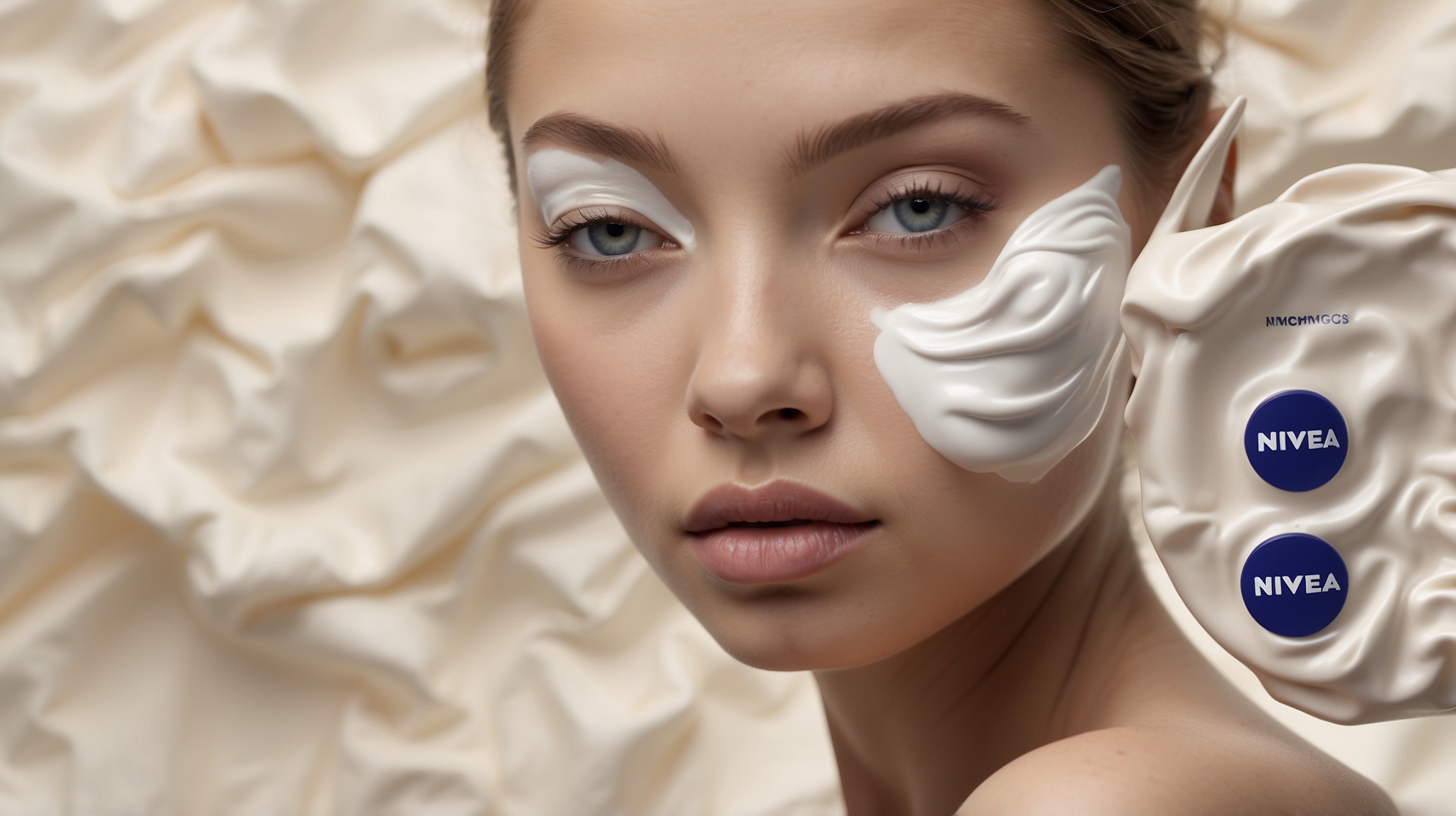
It started with an age-old question that has lingered in bathroom cabinets and beauty routines for over a century: just how effective is NIVEA Cream? With its telltale navy-blue tin and nostalgic scent, NIVEA Cream remains an iconic household name across the globe. Passed down through generations, it’s the kind of product grandmothers, mothers, and daughters have trusted alike. But in a world increasingly driven by ingredient scrutiny and clean beauty standards, some experts felt it was time NIVEA’s humble cream faced a closer examination.
That curiosity led a panel of skincare specialists, dermatologists, and cosmetic chemists to dissect the cult-classic formula. Their mission was simple—analyze what lies beneath the waxy surface of this legendary cream, and explore how it holds up in today’s scientifically advanced skincare landscape. What they found might not only surprise loyal users but also challenge long-standing perceptions of what truly constitutes a “miracle cream.”
As it turns out, the story of NIVEA Cream is more than just one of timeless popularity. It’s about a formulation that, while rooted in early 20th-century science, continues to deliver results that rival modern, high-priced treatments. However, not everyone comes out on top in this tale—especially when you consider skin types, concerns, and evolving cosmetic standards. Let’s unpack the debate and see what the experts really discovered.
What experts found inside the iconic NIVEA Cream
| Key Factor | Expert Evaluation |
|---|---|
| Main Ingredients | Mineral oil, lanolin alcohol, glycerin, panthenol |
| Texture | Thick, waxy, intensely moisturizing |
| Best For | Dry, cracked, and dehydrated skin |
| Concerns Raised | Occlusiveness, outdated formulation, comedogenic potential |
| Dermatologist Rating | Mixed: praised for moisture, critiqued for outdated base |
Understanding the time-tested formula
The formulation of NIVEA Cream has remained largely unchanged since its debut in 1911. At its core lies a base of mineral oil and lanolin alcohol, both of which are occlusive agents designed to form a protective barrier on the skin. This layer prevents moisture loss and aids in shielding the skin from external irritants.
Other key ingredients include glycerin, a humectant that draws moisture into the skin, and panthenol, which helps soothe and restore the skin barrier. These seemingly simple elements work in synergy to offer effective hydration—especially valuable for people with dry or extremely sensitive skin.
“There’s something undeniably effective about the occlusive nature of NIVEA Cream. It protects compromised skin like very few products can.”
— Dr. Mira Collins, Dermatologist
What changed this year with NIVEA Cream perception
While many formulations evolve over time to adapt to new standards, NIVEA has largely stayed true to its original recipe. However, as consumer awareness around cosmetic ingredient safety has skyrocketed, questions have surfaced regarding the cream’s compatibility with today’s skincare ideals.
For instance, mineral oil, though still widely used in dermatology, is often labeled negatively for being a petroleum-derived substance. Similarly, lanolin can be allergenic for some, especially when impurities are present. Though modern manufacturing processes have addressed these concerns, the stigma persists, prompting experts to reassess the product more critically.
“We live in the age of transparency, where consumers want to know every single component on that ingredient list. Unfortunately, NIVEA Cream’s old-school INCI names can turn some savvy shoppers away.”
— Lena Rautenberg, Cosmetic Chemist
Who benefits most from using NIVEA Cream
The timeless design of the cream has helped multiple generations, but its suitability isn’t universal. Experts have identified key skin types that benefit most from the thick, emollient formula:
- Dry and sensitive skin — its occlusive nature locks in hydration.
- Mature skin — helps reduce the feeling of tightness and dryness.
- Post-treatment skin — ideal after dermaplaning or chemical peels for barrier repair.
However, for those with oily or acne-prone skin, the product might not yield the same boutique benefits. The thick texture can clog pores for some, particularly when used in humid climates or as a daily moisturizer under makeup.
“It’s definitely not a one-size-fits-all product, but for people in colder regions or with severely dry skin, it’s almost therapeutic.”
— Dr. Adam Greene, Clinical Aesthetician
The biggest criticisms experts had
While the majority admired the cream’s unparalleled moisture-retention properties, there were a few noteworthy criticisms:
- Comedogenic concerns — several ingredients like lanolin and mineral oil may clog pores.
- Lack of active ingredients — no antioxidants or peptides, making it less suitable as an anti-aging cream.
- Fragrance inclusion — potential irritant for sensitive users.
According to many dermatologists, people looking for targeted skincare solutions—such as for hyperpigmentation, acne, or fine lines—might not find NIVEA Cream particularly useful, as it lacks modern actives such as retinol, glycolic acid, or hyaluronic acid.
Winners and losers in the NIVEA Cream debate
| Winners | Losers |
|---|---|
| Users with dry, dehydrated, or eczema-prone skin | Acne-prone or oily skin types |
| Budget-conscious consumers | Ingredients-conscious skincare users |
| Fans of minimalist beauty routines | Those seeking sophisticated anti-aging formulas |
Why it remains a cult classic
Despite the critiques and changing tastes, NIVEA Cream retains a formidable following. Much of its reputation stems from emotional familiarity—it’s a product that connects generations of families and offers a symbolic connection to personal care routines.
Moreover, its affordability and accessibility make it a trustworthy choice in a market flooded with complicated and expensive options. For its price point, it delivers results that are hard to argue with, provided the user is aware of their unique skin needs.
Can NIVEA Cream evolve or should it stay the same?
This question was among the most debated by experts. Should such a classic reformulate to meet modern standards, or should it retain its identity as a reliable, old-school emollient? There are valid arguments on both sides.
Several experts suggested offering two product options: the original formula for purists and a modernized version with advanced actives and fewer occlusives. Such a strategy would honor its heritage while giving new-age users a reason to keep it in their skincare repertoire.
“Brands that last a century don’t do so by accident. But innovation can make even the most nostalgic products more effective.”
— Renata Jules, Skincare Analyst
Frequently Asked Questions about NIVEA Cream
Is NIVEA Cream suitable for acne-prone skin?
It may not be ideal due to its heavy texture and certain comedogenic ingredients like mineral oil and lanolin. People with acne-prone skin should patch test first.
Can NIVEA Cream be used on the face?
Yes, it can be, especially for dry or mature skin. However, those with oily or sensitive facial skin should proceed cautiously.
Does NIVEA Cream contain any active anti-aging ingredients?
No, the cream does not contain modern actives like retinol or peptides. It primarily serves as a moisturizer and skin barrier protector.
Is NIVEA Cream safe for children?
In general, yes. Its simple, gentle composition is often used for dry skin in children, but it’s best to consult a pediatrician for babies or toddlers.
Can NIVEA Cream be used as a body moisturizer?
Absolutely. Its rich formula is effective at treating dry skin on areas like elbows, knees, and feet.
Does NIVEA Cream contain fragrance?
Yes, it does have fragrance, which gives it its signature scent. This may irritate very sensitive skin types.
How is NIVEA Cream different from NIVEA Soft?
NIVEA Cream is thicker and more occlusive, ideal for very dry skin. NIVEA Soft is lighter and more suitable for daily use on normal to combination skin.
Is NIVEA Cream vegan?
No, it contains lanolin alcohol derived from wool, which means it is not vegan-friendly.