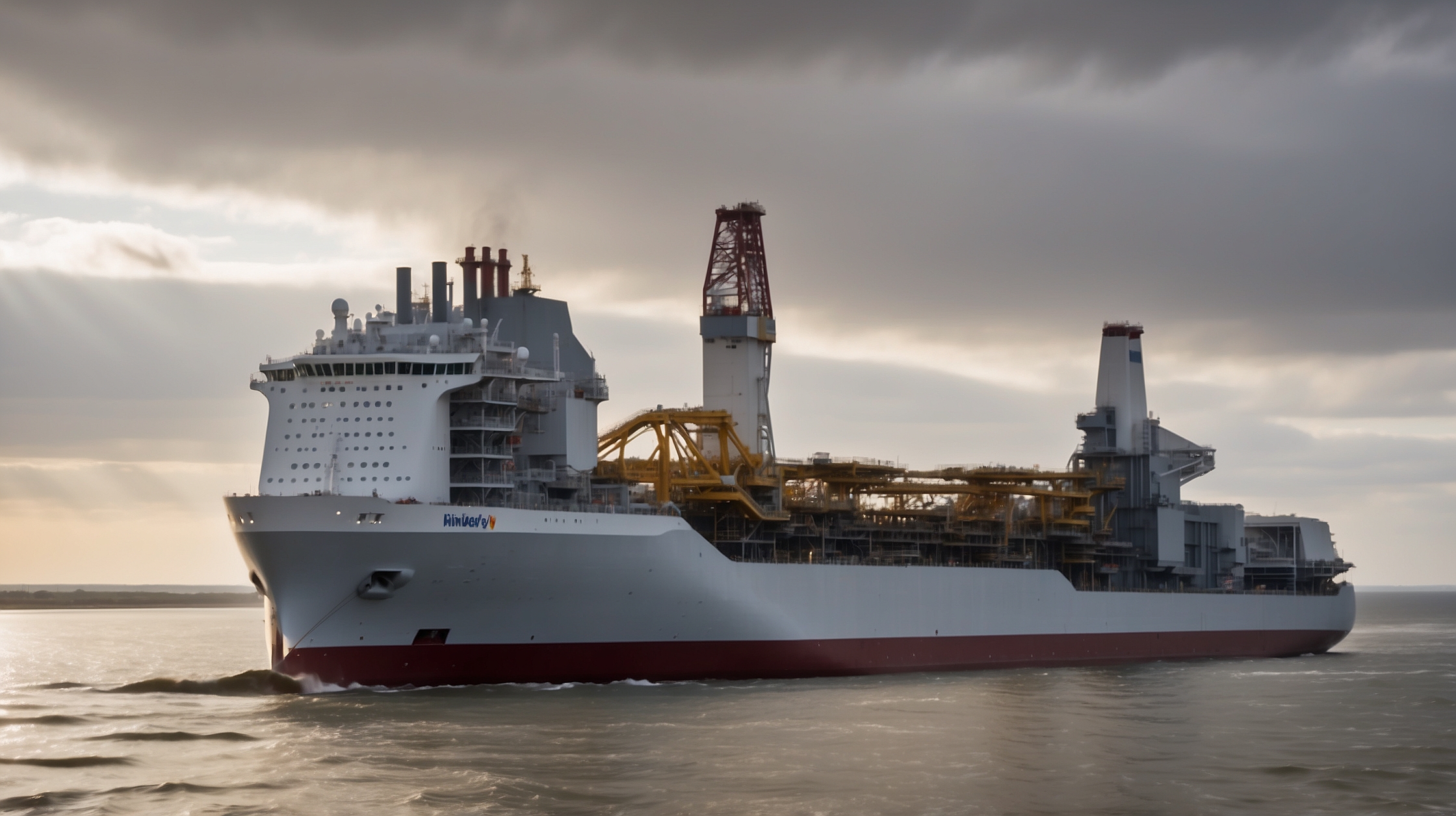
Under the gray sky of Somerset in southwest England, the cranes of Hinkley Point C reached higher than ever before. The massive energy project—one of the UK’s most ambitious infrastructure efforts in decades—had been slowly rising from the coast for years. But on a recent milestone day, the landscape shifted dramatically. Towering over everything was a new arrival: a colossal 500-tonne steel liner ring, delicately placed into position as part of the next-generation nuclear reactor. This engineering marvel had traveled from the skilled hands of French fabricators to become a central feature of Britain’s energy future.
Long anticipated and often debated, the Hinkley Point C nuclear reactor is not just a symbol of technological prowess but also a cornerstone in the United Kingdom’s urgent push toward energy security and lower carbon emissions. The recent delivery and installation of the steel ring by Framatome, a French nuclear engineering firm, marks a pivotal moment in the facility’s development. We dive deep into what this structure is, why it matters, and how it signals broader transformations in both energy strategy and geopolitical collaboration.
Overview of the Hinkley Point C steel ring delivery
| Location | Hinkley Point C Nuclear Power Station, Somerset, UK |
| Delivered From | Framatome factory, France |
| Weight | 500 tonnes |
| Height | 17 meters |
| Purpose | Part of the first reactor’s internal containment structure |
| Significance | Major milestone in UK’s transition to low-carbon energy |
| Completion Target for Unit 1 | Mid-2020s (Estimated operational date) |
Why this 500-tonne delivery marks a turning point
The sheer scale of the steel ring component illustrates the ambitious nature of Hinkley Point C, but size alone doesn’t tell the whole story. The internal containment structure, into which the ring is being installed, is critical for containing radiation and ensuring both operational safety and long-term durability of the reactor. Manufactured at the Framatome facility in France and transported across the English Channel, this ring is one of three parts that make up the containment liner.
The successful delivery and assembly of such a massive component is being hailed as a major engineering and logistical achievement. With over 3,500 workers at the site daily, precision and timing were essential to fit the structure seamlessly into Place. Failure or delay in reaching this milestone would have cascading effects on project timelines. Fortunately, the engineering team has largely kept this element on track, further restoring confidence in Hinkley’s build schedule.
Franco-British engineering partnership at its peak
This delivery also exemplifies high-level engineering collaboration across borders. Though Brexit has complicated many aspects of cross-channel cooperation, nuclear technology remains a shared strategic interest between the UK and France. Framatome, which has decades of expertise in nuclear plant manufacturing, produced the steel ring under stringent quality control standards that align with UK nuclear regulatory requirements.
The successful journey and installation underlines the remaining strength of bilateral cooperation in areas deemed vital for national interest—in this case, energy security and science-led innovation. Both EDF (Électricité de France) and UK stakeholders have expressed renewed optimism after witnessing this logistical feat.
“Getting this ring in place is no small feat—it requires incredible coordination across engineering, safety, and transport teams. It’s a significant milestone not just for the team but for Europe’s nuclear future.”
— Claire Dobson, Civil Construction Lead at Hinkley Point C (Placeholder)
What this means for the UK’s energy future
As energy demand grows and climate goals become ever more urgent, the UK faces the necessity of diversifying its energy portfolio. Hinkley Point C is expected to supply about 7% of the UK’s electricity, enough to power roughly 6 million homes. When completed, it will join a fleet of low-carbon alternatives that are projected to reduce dependency on fossil fuels and imported energy sources.
This steel ring’s arrival brings Hinkley closer to this vision, inching the project into its nuclear installation phase. The long-term outlook is that, alongside renewables, nuclear will play a stabilizing role in Britain’s energy mix. The ability to produce consistent baseload electricity without carbon emissions makes reactors like those at Hinkley Point C a strategic pillar in achieving net-zero targets by 2050.
Challenges still ahead for the project
Despite this accomplishment, it’s not all smooth sailing ahead. Hinkley Point C has faced criticism for cost overruns and schedule delays. Initially estimated at £18 billion, the project’s cost projections may exceed £26 billion. Construction complexity, fluctuating labor availability, and geopolitical uncertainty have all played a role in pushing timelines and budgets upwards.
That said, experts argue the long-term benefits will still outweigh the costs. Given rising energy prices and national security concerns, many policy leaders see the project as a necessary investment. Yet, controlling future delays will be essential to prevent political and financial backlash.
“Delivering major infrastructure projects like Hinkley always comes with risk, but the potential reward—clean, stable energy for generations—makes it worth the challenge.”
— Dr. Nathan Ellis, Energy Policy Analyst (Placeholder)
How the install process was carried out
The ring was transported in multiple sections and assembled on-site using precision welding and laser-guided alignment systems. Once the individual steel plates arrived at Hinkley, a 280-tonne crane delicately hoisted the structure into the reactor building under strict tolerances. With a margin of error measured in millimeters, even environmental conditions like wind had to be closely monitored during placement.
Workers then sealed the ring with robotic welding techniques before performing radiation shielding tests to ensure compliance with regulatory benchmarks. The meticulous attention to safety and detail reflects Hinkley’s adherence to global best practices, critical for public confidence in nuclear expansion.
Winners and losers in the latest development phase
| Winners | Losers |
|---|---|
| UK Energy Consumers – future access to stable electricity | Anti-nuclear activists – project continues moving forward |
| Framatome – successful delivery enhances reputation | Local fossil fuel plants – may face increased scrutiny |
| EDF Group – milestone shows project progress | Budget critics – cost concerns remain unresolved |
How this aligns with the UK’s green objectives
In April 2022, the UK released its Energy Security Strategy, which emphasized the need for a major expansion in nuclear energy. Hinkley Point C leads this drive and this latest milestone reinforces the government’s claims that they’re on track with their roadmap. The ring’s installment supports not just output goals but also a shift in infrastructure planning that prioritizes carbon neutrality and domestic production.
Moreover, the technology behind this ring—using enhanced radiation-resistant steel alloys and anti-corrosion coatings—serves as a model for sustainability-led engineering design. The methodology could influence how future reactors are built, including potential sites at Sizewell C and others in planning stages.
Looking ahead: What to expect next
Now that the ring is in place, attention turns to the installation of the reactor pressure vessel and steam generators in the coming months. These core components will turn nuclear reactions into usable electricity. With each step, the facility gets closer to readiness, and so does the UK’s broader goal of energy independence.
The coming year will be filled with both engineering milestones and public debates, but if Hinkley stays its course, it may well become the gold standard for future low-carbon energy projects in Europe and beyond.
Frequently Asked Questions
What is the purpose of the steel ring in the reactor?
The steel ring forms part of the internal containment structure that houses the reactor core, protecting the environment from radiation and ensuring long-term structural integrity.
Why was the steel ring made in France?
The component was fabricated by Framatome in France due to their specialization in nuclear-grade steel construction and longstanding expertise in building top-tier reactor components.
How was the ring transported to the UK?
The ring was delivered in sections and transported via sea and land routes to the Hinkley Point C site, where it was assembled and lifted into place.
When will Hinkley Point C become operational?
The first unit is expected to become operational by the mid-2020s, although exact timelines are subject to construction progress and regulatory approval.
How much electricity will Hinkley Point C generate?
Once complete, the plant will generate about 3.2 gigawatts of electricity, enough to power around 6 million homes in the UK.
Is Hinkley Point C environmentally friendly?
Yes, it is part of the UK’s strategy to reduce carbon emissions. Nuclear energy produces no direct CO2 during operation and provides reliable baseload electricity.
Who is funding Hinkley Point C?
The project is primarily funded by EDF and its Chinese partner CGN, along with private investments under government oversight.
What happens after the ring is installed?
The next phases include installing the pressure vessel, steam generators, and extensive safety testing before commissioning the reactor for energy production.