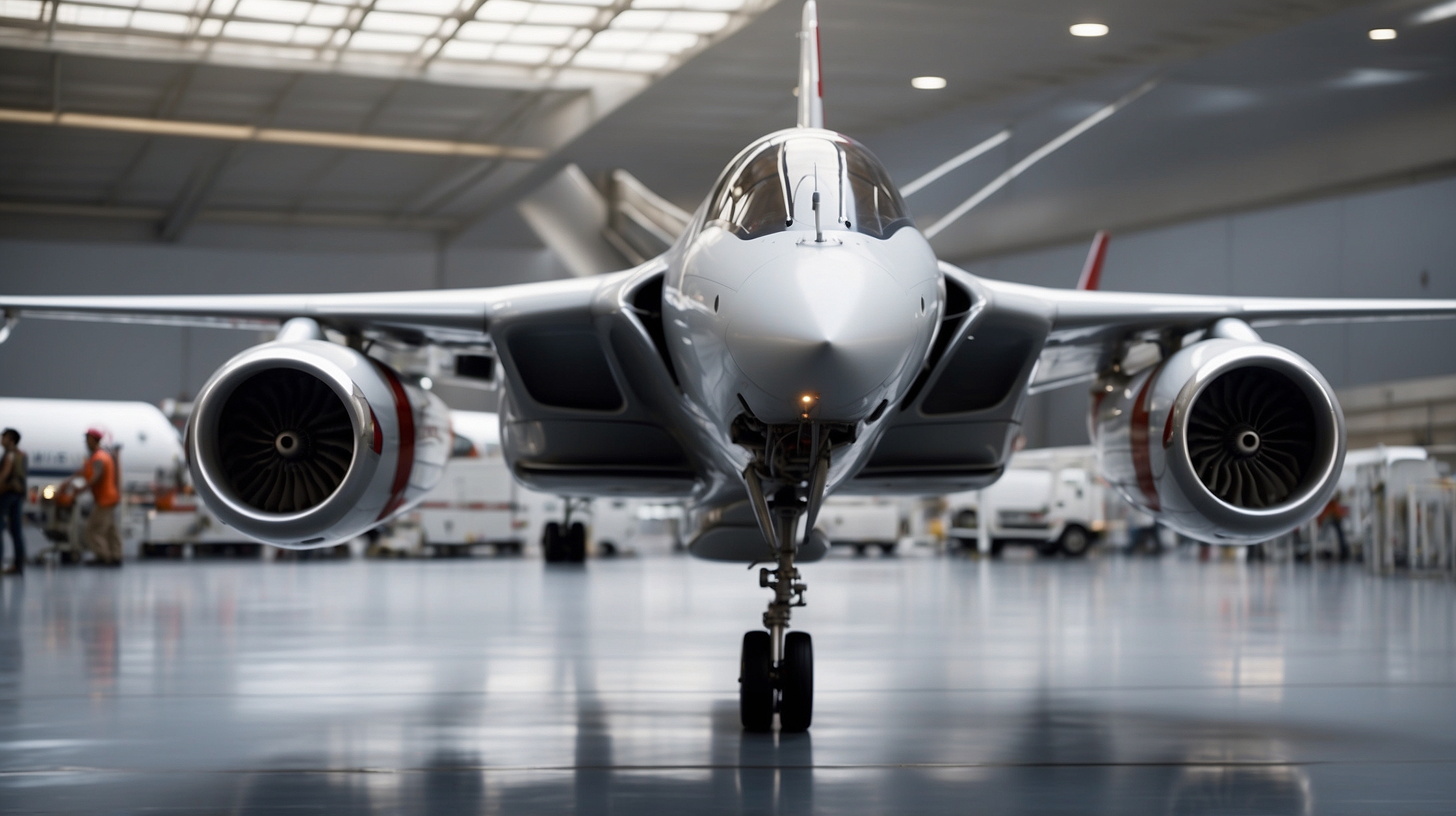
In the high-stakes world of aerospace, few players maintain dominance as thoroughly as the French aviation giant Safran. Amid shifting global market conditions, escalating demand for fuel-efficient aircraft, and a race toward carbon neutrality, the company’s number one product—the LEAP engine—continues to secure major wins on the international stage. The latest? A groundbreaking new contract valued at more than €3.5 billion, reinforcing Safran’s unrivaled influence in powering single-aisle commercial aircraft.
For the uninitiated, the LEAP engine has become the propulsion force behind some of the most popular medium-haul jets, including the Airbus A320neo and Boeing 737 MAX. This new deal isn’t just another notch in the company’s belt; it signals a vote of confidence in a product that has already cemented itself as an industry benchmark. As airlines gear up for a post-pandemic resurgence, contracts like this offer critical clues into the structure—and future—of global aviation.
But the implications extend beyond just numbers on a contract. As global aviation giants compete for a shrinking pool of orders and vie for technological supremacy, Safran’s continued success with the LEAP engine provides a case study in innovation, reliability, and strategic partnerships. Here’s what the new €3.5 billion deal means—not just for the company, but for the future of aerospace worldwide.
Key details from Safran’s multi-billion euro contract
| Company Involved | Safran Aircraft Engines (France) |
| Deal Value | €3.5 billion |
| Product | LEAP engine, developed in partnership with General Electric (CFM International) |
| Aircraft Platform | Single-aisle jets including Airbus A320neo and Boeing 737 MAX |
| Estimated Delivery Timeline | 2024 through 2035 |
| Customer | Undisclosed airline(s), believed to be global carriers planning fleet renewals |
Why this announcement is a big deal for global aviation
The aviation industry is in a critical period of transition. With sustainability, operating cost efficiency, and fleet modernisation high on every airline’s agenda, selecting the right engine has never been more important. The LEAP engine emerged as a popular choice over the past decade due to its superior fuel economy and reduced emissions compared to previous generation engines.
This massive order is a clear endorsement: airlines are willing to double down on technologies that are both field-tested and future-proof. For Safran, it validates years of research and development, and it marks another victory in the transatlantic partnership with General Electric via their joint venture, CFM International.
The global impact of the LEAP engine
Launched in 2008, the LEAP engine has revolutionized air travel by delivering up to 15% better fuel efficiency than its predecessor, the CFM56. It incorporates ground-breaking technologies like 3D-printed fuel nozzles and composite fan blades that make the engine not only lighter but also more durable.
As of 2024, over 2,500 LEAP engines are in commercial service around the globe, and CFM International curates a massive backlog of more than 10,000 additional engines awaiting delivery. With this new €3.5 billion deal, that backlog grows even stronger, further consolidating the engine’s influence across major fleets.
“This contract is yet another vote of confidence in our LEAP engine technology and our commitment to support our airline partners with the most efficient solutions in single-aisle aviation.”
— Placeholder, CEO, Safran Aircraft Engines
Technological innovation behind the engine’s success
One of the most compelling reasons behind the LEAP engine’s dominance is its capacity for long-term innovation. Safran and GE heavily invested in digital simulation, ultra-fine materials, and additive manufacturing to create a product that consistently meets and often exceeds expectations across performance metrics.
From a maintenance perspective, the engine offers a lower total cost of ownership, thanks to its modular architecture and predictive maintenance systems. These features contribute to an uptime that airlines can count on—an essential aspect as carriers face tighter profit margins and higher expectations from travelers.
Safran’s strategic position amid global competition
In the fiercely competitive engine manufacturing space, dominated by industry behemoths such as Pratt & Whitney and Rolls-Royce, Safran’s ability to continuously snag high-value contracts speaks volumes about its strategy. By focusing on innovation while also delivering tried-and-tested performance at scale, the firm has cemented a unique position.
Moreover, Safran benefits considerably from geopolitical alignment and the mutual goals of Franco-American cooperation in aerospace. The CFM International JV is a powerful example of how two countries can collaborate effectively on high-stakes, high-tech endeavors.
Winners and losers from the multi-billion euro deal
| Winners | Why |
|---|---|
| Safran Aircraft Engines | Secures long-term revenue and reaffirms industry leading position |
| CFM International | Boost to its enormous backlog and overall market dominance |
| Partner Airlines | Guaranteed access to efficient, modern engines for fleet upgrades |
| Competitors (e.g., Pratt & Whitney) | Lose potential business amid market consolidation toward LEAP |
How this aligns with sustainability goals
Modern aircraft engines are under immense pressure to reduce both noise and environmental impact. Safran’s LEAP engine addresses both by incorporating nacelle acoustic treatments and reducing carbon dioxide emissions. These advancements enable airlines to fulfill International Civil Aviation Organization (ICAO) emissions regulations as well as internal carbon neutrality roadmaps.
“Any step toward reducing fuel burn helps the planet and the bottom line. The LEAP engine shows that green can coexist with profitability.”
— Placeholder, Aviation Sustainability Consultant
What customers can expect in the near future
For the undisclosed airline customers of this contract, this isn’t just about a product—it’s a long-term partnership. Safran supports its LEAP engines through dedicated MRO (Maintenance, Repair, and Overhaul) services and digital tools enabling real-time engine health monitoring. This ensures that downtime is minimized, and availability remains consistently high.
Looking forward, the scalable roadmap for LEAP technology could soon feature enhancements around hybrid-electric propulsion systems and even hydrogen-ready capabilities, keeping the platform relevant well beyond 2035.
Short FAQs about the Safran LEAP engine deal
What aircraft models use the LEAP engine?
The LEAP engine powers single-aisle aircraft like the Airbus A320neo and Boeing 737 MAX families.
How much is the new contract worth?
The newly awarded contract is valued at over €3.5 billion.
Who manufactures the LEAP engine?
The LEAP engine is manufactured by CFM International, a joint venture between Safran (France) and General Electric (USA).
What makes the LEAP engine different?
It offers about 15% better fuel efficiency than previous engine generations and features advanced materials and manufacturing techniques.
Which airlines are involved in the deal?
The names of the airlines are undisclosed, but they are likely large carriers involved in major fleet renewal programs.
How many LEAP engines are currently in service?
As of 2024, approximately 2,500 LEAP engines are in service globally.
Does this contract mean higher aircraft prices?
Not directly. However, more advanced engines can be more expensive, though cost is often balanced by fuel savings and reliability.
Will this impact engine service availability?
Safran maintains a global support network to ensure parts and services are readily available despite increased demand.