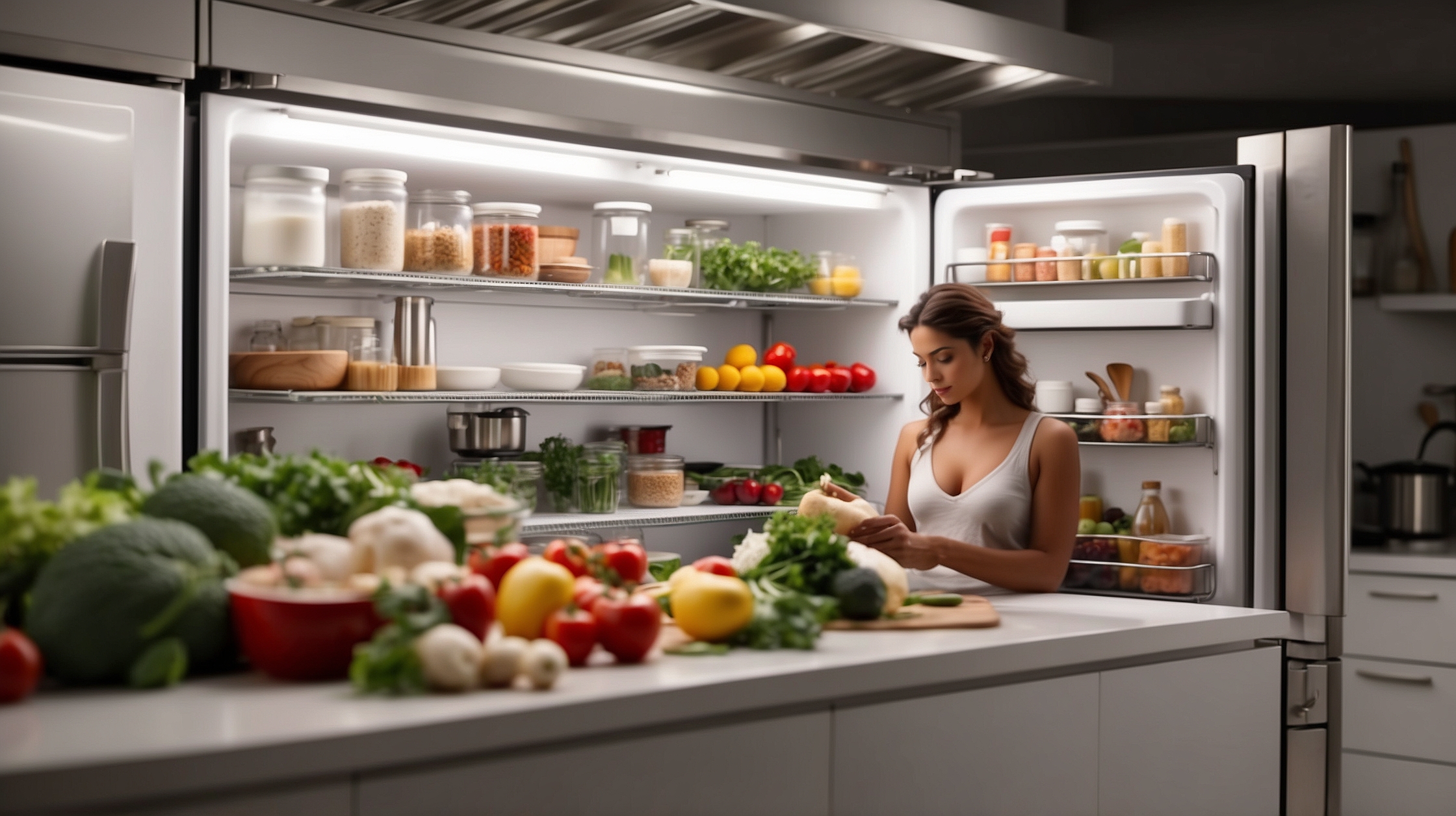
Imagine opening your fridge and instantly spotting everything you need for tonight’s dinner. No more digging behind jars or moving leftovers aside to find the elusive pack of spinach. For busy families and individuals, quick access to meal prep essentials can be the difference between sticking to healthy eating goals and ordering takeout…again. Organizing your refrigerator might not seem like the most thrilling Saturday activity, but it can greatly impact your efficiency, reduce food waste, and even save money.
We’ve all been there — standing with the fridge door open, trying to piece together a meal with unseen ingredients buried in a chilly abyss. What if your refrigerator was divided into clear zones, customized to your lifestyle and eating habits? Picture a space where prepped veggies, proteins, and sauces all have a home — labeled and ready to grab and go. Strategic fridge zoning isn’t just for the ultra-organized. It’s a real-life hack for everyone struggling to manage meal prep in a chaotic kitchen.
Understanding how to designate zones in your fridge can transform your weekly cooking routines, increase productivity during busy weekdays, and make meal planning less stressful. From grouping ingredients to labeling bins, creating a meal prep-friendly fridge is more than aesthetics — it’s about designing a smarter, more functional kitchen system that truly supports your lifestyle.
Quick look at how fridge zoning boosts your kitchen life
| Key Benefit | Why it Matters |
| Faster Meal Prep | Spend less time searching for ingredients |
| Reduced Food Waste | Easier to see and use perishables before expiration |
| Improved Hygiene | Raw items separated from ready-to-eat foods |
| More Efficient Shopping | Know what you have and avoid duplicates |
| Healthier Choices | Keeping nutritious items within reach encourages better eating |
Understanding your fridge’s climate zones
Before diving into storage bins and labels, it’s important to understand the conditions inside your fridge. Did you know different zones inside your refrigerator offer different temperatures and humidity levels? Knowing where to store certain foods can extend their shelf life and maintain texture and freshness.
- Top Shelf: The most consistent temperature — best for leftovers, drinks, and ready-to-eat items
- Middle Shelves: Ideal for dairy like milk, cheese, and yogurt
- Bottom Shelf: Coldest part, great for storing raw meat and seafood (preferably in a leak-proof container)
- Crisper Drawers: High humidity drawers work best for leafy greens; low humidity drawers for fruits
- Fridge Door: The warmest part of your fridge — best for condiments, juices, and less-perishable items
Creating custom zones based on your cooking habits
Meal prep looks different across households. Some people cook entire meals ahead of time, while others prep components like chopped veggies or cooked grains. Depending on your approach, tailor your fridge into specific zones. Here’s how to create a personalized setup that works for you.
Meal components zone
Dedicate one section of the fridge for chopped vegetables, pre-cooked grains, pre-washed greens, and marinated proteins. Use clear bins labeled with days of the week or meal names. This not only saves time but also ensures visibility, reducing waste.
Grab-and-go items
Designate space for ready-to-eat snacks and mini meals such as boiled eggs, cheese sticks, hummus cups, or overnight oats. Especially useful for those with kids or busy mornings.
Lunch zone
If your household packs lunches, a separate area filled with assembled meal boxes, salads, or reheatable dishes can simplify mornings. Include complementary items like napkins, cutlery, and a checklist for grabbing drinks or fruit from elsewhere.
Condiment caddy
While often relegated to fridge doors, grouping sauces and dips into a movable caddy can help you bring everything to your meal prep station at once. This avoids forgotten flavor enhancers and clutter on spokes of shelves.
Best tools and containers to support your system
Transforming a cluttered fridge into a meal prep machine doesn’t require expensive gadgets. A few smart purchases, reused containers, and label systems can make a huge difference.
- Clear bins: Help create separation and visibility
- Stackable containers: Save space while keeping food sealed and accessible
- Lazy Susans: Great for sauces or yogurts to prevent forgotten items hiding at the back
- Dry erase labels: Allows you to quickly mark contents or prep dates
- Magnetic fridge inventory board: Helps track what ingredients or meals are inside at a glance
Tips for maintaining your fridge zones long-term
Creating a beautifully organized fridge is one thing — keeping it that way is another. These tips will help turn organization into daily rhythm rather than a one-time makeover.
- Assign roles — everyone in the household should know what goes where
- Stick to a weekly reset ritual (e.g., Sunday fridge clean and restock)
- Always label containers with contents and prep dates
- Don’t overstuff – airflow prevents spoilage
- Keep a donation box for pantry/fridge items you may not consume in time
Winners and losers when organizing your fridge this way
| Winners | Losers |
| Busy parents juggling kids’ meals and lunches | People who frequently overbuy and forget about perishables |
| Fitness enthusiasts needing fast access to healthy options | Anyone avoiding creating systems or who resists routines |
| Meal prep devotees balancing work and health goals | Shared households without clear fridge-sharing rules |
How designated fridge zones reduce food waste
When your ingredients are visible and accessible, it’s easier to use them before they go bad. Studies have shown food visibility is directly correlated to reduced spoilage. Keeping delicate herbs or leftovers grouped and labeled reminds you what needs to be used soon, minimizing the chance of discovery too late.
“You can’t eat what you can’t see. Fridge zoning isn’t just for neat freaks — it’s a practical tool to fight waste and save your budget.”
— Jordan Kimball, Food Systems Specialist
Practical examples for different household types
For single professionals
Designate smaller zones with pre-portioned grab-and-go meals to match your compressed schedule. Clear containers reveal what’s left to eat without opening anything, ideal for tight morning routines.
For families
Create child-accessible snack bins while maintaining higher zones for raw or delicate ingredients. Use color-coded containers for each family member’s meal prep or lunch box items.
For roommates
Segment the fridge by individual or day-of-week assignments, especially for shared meals. Label both food and zones to eliminate confusion and ensure equitable use of space.
Six common stumbling blocks to avoid
- Forgetting to label leftovers and ingredients
- Storing raw meat above fresh produce
- Overstuffing shelves, leading to poor visibility
- Neglecting regular fridge cleanings
- Keeping expired foods “just in case”
- Putting prepped meals in opaque containers where they’re forgotten
“Organization isn’t about perfection. It’s about efficiency — reducing stress and saving time without compromise.”
— Bailey Vincent, Kitchen Organizer & Coach
Frequently asked questions about fridge zoning
How do I start organizing my fridge for meal prep?
Begin by removing everything, cleaning thoroughly, and then grouping similar items before allocating zones. Invest in a few clear bins or containers for separation and clarity.
What are the key fridge zones I should include?
Focus on at least five categories: proteins, snacks, prepped ingredients, ready meals, and condiments. Tailor categories based on your cooking style.
How often should I clean my fridge zones?
Perform a light tidy weekly and a deep clean monthly. Wipe down drawers and remove expired or spoiled items regularly.
Can I use ordinary containers instead of special fridge bins?
Yes. As long as they’re food-safe, clear, and stackable, everyday containers like empty jars or basic plastic bins work well.
What’s the best way to label my containers?
Use dry erase markers or washable labels to note the contents and date. This makes it easy to update and reduces waste.
How do fridge zones help kids eat better?
By placing healthier snacks and lunches in easy-to-access zones, kids are more likely to choose nutritious options independently.
Do fridge zones save money?
Yes, by preventing overbuying and reducing spoilage, fridge organization translates to real savings over time.