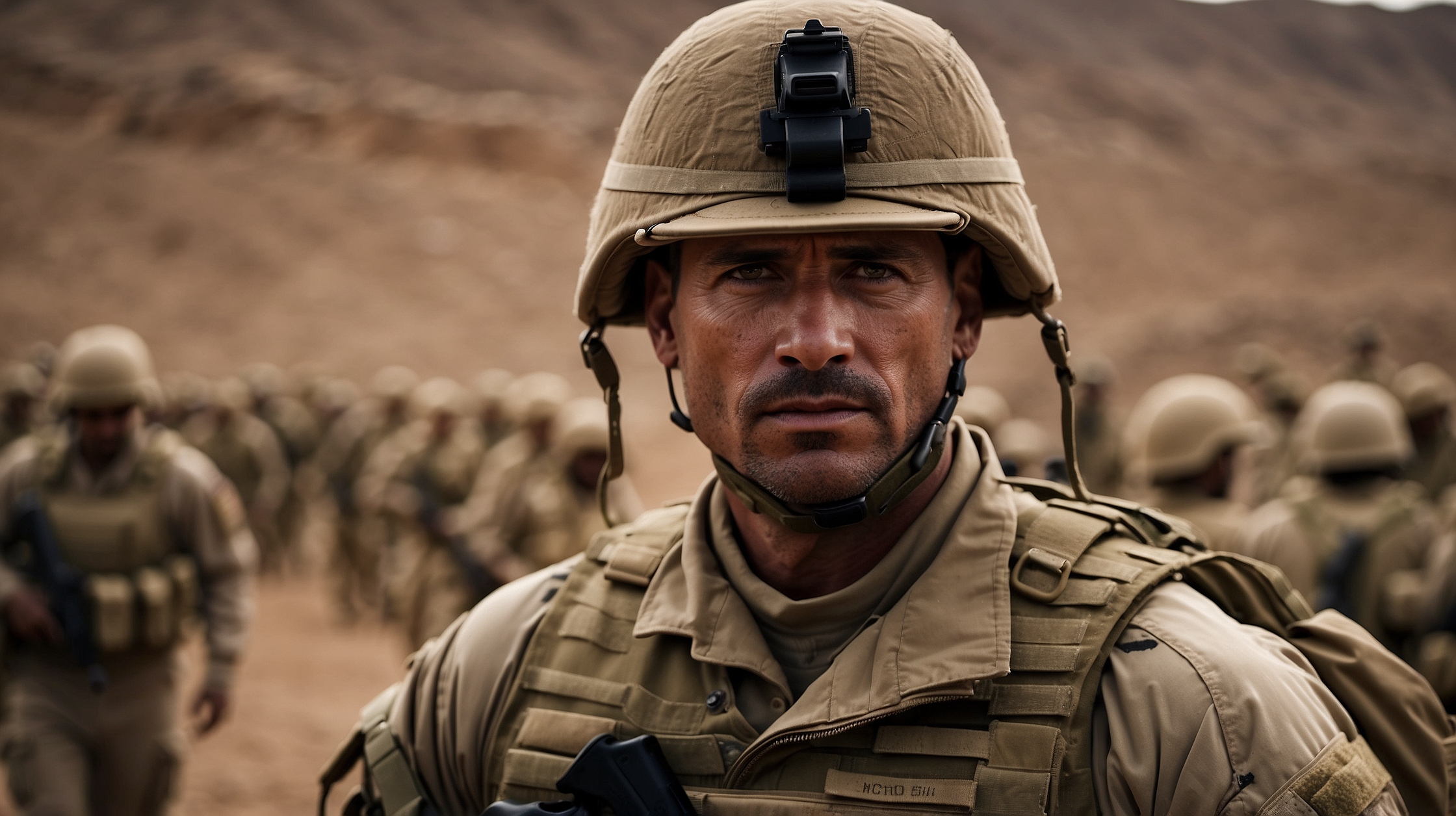
In the structured hierarchy of the U.S. Army, few transitions are as remarkable as the leap from enlisted ranks to the commission of an officer. For Jeremy Chambers, a seasoned non-commissioned officer (NCO) and experienced combat veteran, that transformation came with not just a new title but a new mission. After 17 years of military service—of which over half were spent as a valued NCO—Chambers recently commissioned as a Foreign Area Officer (FAO) and is now a U.S. Army captain leading with global vision. His journey is not just a testament to personal determination but also a reflection of the evolving opportunities for career progression within the military.
Raised in Alabama, Chambers entered the military in 2006, joining an Army still deeply engaged in operations in the Middle East. Over the years, he earned accolades, led troops in combat zones, and eventually became a senior intelligence NCO. But amid the chaos and structure of military life, he quietly nurtured aspirations to serve at a strategic level. His official commissioning happened at the George C. Marshall European Center for Security Studies in Germany, a location rich with symbolism for someone stepping into a role focused on international diplomacy and cross-cultural understanding.
“It’s not just a rank insignia change—it’s a complete paradigm shift,” Chambers said during his commissioning ceremony, reflecting on the dual nature of transformation: personal and professional. His story stands as inspiration for others contemplating a similar move, revealing the blend of preparation, resilience, and vision required to move from tactical operations to strategic engagement.
Overview of Jeremy Chambers’ Commissioning as Foreign Area Officer
| Detail | Information |
|---|---|
| Full Name | Jeremy Chambers |
| Previous Rank | Senior Non-Commissioned Officer (Intelligence) |
| New Role | Foreign Area Officer (FAO), U.S. Army Captain (O-3) |
| Commissioning Location | George C. Marshall European Center for Security Studies, Garmisch, Germany |
| Years of Military Service | 17 Years |
| Specialty Region | Europe (FAO Regional Focus) |
From Enlisted Soldier to Global Strategist
Chambers’s story is emblematic of a broader trend within the armed forces where experienced enlisted soldiers are encouraged and supported to take on officer roles—especially within specialized areas such as foreign policy and intelligence. His years as an intelligence NCO provided the groundwork for success as a FAO, where understanding the complexities of national interests, cultural contexts, and international alliances is crucial.
Driven by a desire to make strategic contributions beyond the battlefield, Chambers pursued his educational and professional development with zeal. Earning advanced degrees in international relations and regional studies, attending language training programs, and demonstrating a consistent record of leadership put him on the path to commissioning. But even with the qualifications in hand, it was the U.S. Army’s commitment to talent management that made the transition possible.
“The Foreign Area Officer program reflects a deliberate shift in how the Army addresses global engagement,”
— Placeholder, FAO Program Director
What changed this year for NCO-to-Officer transitions
While enlisted-to-officer pathways have long existed—such as Officer Candidate School (OCS), Direct Commission Programs, and Green-to-Gold—recent enhancements to talent development and career management frameworks within the Army have bolstered these transitions.
The Army Talent Management Task Force has expanded efforts to identify highly qualified NCOs with academic, linguistic, and regional expertise. As a result, more enlisted members now receive targeted support to compete for programs traditionally limited to officers. Chambers benefited from this strategic vision, receiving early mentorship and access to formal FAO training opportunities typically reserved for existing officers.
“We’re building a force not just to fight, but to think and engage across continents,”
— Placeholder, Army Talent Management Specialist
Who qualifies and why it matters
The military’s foreign area officer program is highly selective. Candidates are usually required to bring a mix of operational experience, academic achievement, language proficiency, and cultural competence. Chambers, who had operated in Iraq, Afghanistan, and other regions, exemplified this comprehensive profile. He also completed coursework in European studies and foreign policy, giving him both experiential and academic heft.
Becoming a FAO is not merely a job function—it is a strategic necessity. The officers in this program are the military’s frontline diplomats, working with embassies, foreign militaries, and international coalitions. As the geopolitical landscape continues to shift, particularly in Europe with rising tensions in Eastern Europe, technocratic but grounded officers like Chambers become indispensable.
“Jeremy’s diverse background brings nuance and authenticity to every engagement he’s part of,”
— Placeholder, Senior Defense Advisor
The significance of the George C. Marshall Center
That Chambers’s commissioning occurred at the George C. Marshall European Center was no accident. The institution is one of the most prominent security studies centers in Europe, bridging U.S. and allied military education. It’s a place where geopolitical strategy is both taught and lived—making it the perfect backdrop for launching a career dedicated to cross-border understanding and military diplomacy.
The ceremony drew military leaders from across Europe, showcasing the significance of Chambers’s commissioning. It wasn’t merely personal recognition—it was a statement about the future of military leadership and the importance of empowering enlisted leaders on the world stage.
How the Foreign Area Officer program supports evolving threats
In today’s global defense environment, the ability to understand and respond to nuanced regional challenges is critical. FAOs serve as the Army’s regional experts and play essential roles in everything from bilateral military exercises to crisis management and intelligence fusion.
With Jeremy Chambers now part of this elite cohort, the military benefits from a leader who not only understands strategy but has lived the tactical realities of service. His operational experience grounds his analysis and equips him to serve as a bridge between warfighters and policymakers.
Winners and losers in the new commissioning system
| Winners | Losers |
|---|---|
| Experienced NCOs pursuing specialized commissions | Traditional officer candidates facing greater competition |
| Army units gaining leaders with both tactical and strategic insight | Officers lacking diverse, real-world experience |
| Foreign relations teams with culturally astute advisors | Command structures resistant to integrated career paths |
What this could mean for military diplomacy efforts
FAOs like Chambers will be central to America’s military engagement around the world. As tensions rise in various regions and alliances are tested, the need for officers who not only understand military tactics but also excel in diplomacy is urgent. The military is responding by ensuring those commissioned are more reflective of real-world complexities, bringing in diverse backgrounds and experiences.
His example could inspire a new generation of service members—especially from the enlisted ranks—to see themselves not just as soldiers, but as strategists and educators on the world stage.
Short FAQs
What is a Foreign Area Officer (FAO)?
A FAO is a commissioned officer who specializes in regional expertise, language skills, and international diplomacy, serving as a liaison with foreign militaries and advising on geopolitical strategy.
How did Jeremy Chambers qualify for FAO commissioning?
With 17 years of military service, extensive deployments, intelligence expertise, and regional academic studies, Chambers met the high standards required for the FAO program.
What is the significance of the George C. Marshall Center?
It’s one of Europe’s premier security studies institutions and provides advanced education in regional and global defense policy, diplomacy, and strategy.
How does the Army choose FAOs?
Candidates are selected based on a competitive mix of operational experience, language aptitude, academic credentials, and leadership capacity.
Is it common for enlisted soldiers to become officers?
While not the majority path, there are numerous programs like OCS and direct commissioning that enable high-performing enlisted members to transition into officer roles.
What languages do FAOs need to speak?
Language proficiency requirements depend on the assigned region, but European FAOs often learn German, Russian, French, or other regional languages.
Why is cross-cultural awareness important for FAOs?
FAOs must build trust and communicate effectively with foreign leaders, requiring deep understanding of cultural nuances to navigate complex international relationships.