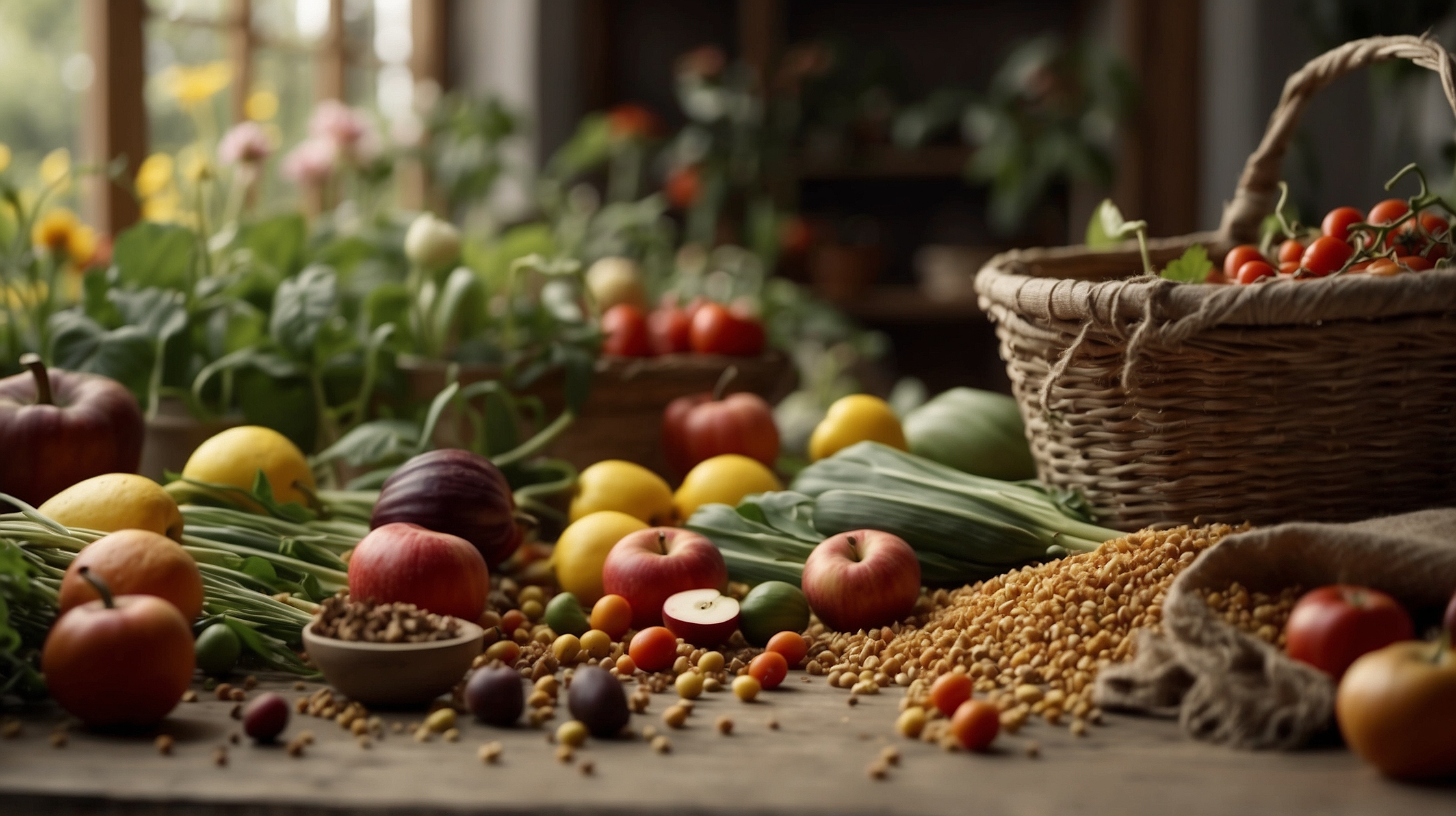
As the gardening season draws to a close, many green thumbs find themselves staring at the remains of their once-thriving vegetable patches and wondering what to do with the leftovers. Discard them? Compost them? Or perhaps something more surprising. For many experienced gardeners, this question is not a conundrum but an opportunity. In fact, what most consider “harvest leftovers” might just be the secret to achieving the lushest, most fertile soil come next planting season.
Gardeners are now turning more frequently to these organic remnants—pumpkin rinds, squash skins, corn husks, and tomato vines—not just as compost, but as a superior alternative to even the most expensive store-bought fertilizers. Behind this shift is a growing body of anecdotal evidence and garden wisdom suggesting these natural materials, when used correctly, can enhance soil health in ways that synthetic products often fail to accomplish.
This evolution in sustainable gardening doesn’t just appeal to the environmentally minded—it’s also catching the attention of budget-conscious gardeners looking to cut costs without sacrificing crop yield. The secret is understanding not just what to use, but how and when to use it for maximum benefit. With plenty of science and centuries of farming traditions to back these practices, harvest leftovers may well be the best gardening resource hiding in plain sight.
Overview: How harvest leftovers can outperform commercial fertilizers
| Aspect | Details |
|---|---|
| Main Benefit | Boosts soil nutrients naturally without chemicals |
| Common Leftovers Used | Tomato vines, corn husks, squash skins, pea pods, melon rinds |
| Application Methods | Composting, direct burying, trench mulching |
| Best Time to Apply | Immediately post-harvest or during fall soil prep |
| Environmental Impact | Reduces landfill waste and eliminates chemical runoff |
| Cost Benefit | Free fertilizer alternative with higher organic content |
Why harvest leftovers are powerful soil enhancers
Unlike synthetic fertilizers that often contain concentrated chemical compounds focused on boosting single nutrients, harvest leftovers offer a more balanced and organic form of nutrition. When buried or composted properly, decomposing plant matter can enrich the soil with *nitrogen, phosphorus, potassium*, and valuable micronutrients. They also help introduce *beneficial microorganisms* that are key to a vibrant soil ecosystem.
Common garden scraps such as *legume pods* or *pumpkin skins* not only fertilize but also improve the soil structure, retaining moisture and promoting better aeration—two essential factors for thriving root systems. This method mimics natural ecological cycles, where decaying plant matter fertilizes new growth, making it both environmentally sound and agriculturally effective.
“We’ve studied the soil before and after using vegetable leftovers, and the difference in microbial life and nutrient balance is impressive.”
— Dr. Hannah Crispin, Soil Biologist and Urban Agriculture Specialist
What makes certain leftovers more potent than others
Not all plant leftovers are created equal. Some contribute higher levels of key nutrients than others, and understanding these subtle differences can help you tailor your garden’s post-season plan more effectively. For instance, *tomato vines* and *pepper stems* are high in calcium and magnesium, which benefit acid-sensitive plants like lettuce and spinach.
Meanwhile, *corn husks* break down slower but excel at aerating dense soil when used in trench composting. *Squash and melon rinds*, while soft, act quickly to produce humus, a component critical for moisture retention and root health. Knowing which parts of your harvest contribute what to the soil can turn fall garden cleanup into a strategic investment in next season’s success.
“Think of it as nutrient banking—you’re storing up resources in your soil instead of buying them later in a bag.”
— Mark Jeffries, Master Gardener
How to use harvest leftovers step-by-step
If you’re new to incorporating harvest leftovers into your garden’s fertility plan, don’t worry—it’s easier than you might think. There are three main ways to do it:
1. Trench Composting
Dig a trench 8-12 inches deep in your garden bed. Fill it with chopped plant material (remove diseased or pest-infested matter), then cover it with excavated soil. Let it decompose over the fall and winter for spring planting.
2. Mulching
Layer soft plant waste like leaves or squash skins directly on top of the soil. Over time, they’ll break down, protecting the soil from erosion and feeding microbes simultaneously.
3. Add to Compost Bin
Combine veggie scraps with carbon-rich materials like dry leaves or newspaper in your compost pile. Turn frequently for aeration. In two to three months, you’ll have black, crumbly compost ready to enrich any garden bed.
The eco-friendly and budget-friendly advantage
One of the most overlooked aspects of using harvest leftovers is the *financial and ecological benefit*. Garden fertilizers can cost anywhere from $20 to $60 per bag—and even more for organic versions. By contrast, using waste materials from your own garden costs nothing and eliminates the impact of fertilizer runoff in nearby water systems.
This approach also encourages a circular gardening philosophy where waste becomes value. Rather than contributing to landfills, your harvest scraps round out a season’s growth by beginning the next one. This reduces your household’s overall waste footprint and contributes to more sustainable food production practices.
Key plants that benefit the most from leftover fertilization
While most plants will appreciate the nutritional boost offered by these organic amendments, some are particularly responsive. *Leafy greens* such as kale, chard, and lettuce flourish in nitrogen-rich soils made from decomposed harvest waste. Root crops like carrots and beets gain from the improved soil structure, which promotes straight growth and easier harvesting.
Perennial fruits such as strawberries and rhubarb also respond well when their beds are replenished seasonally with natural compost. Even lawn turf and ornamental shrubs can be revitalized when surrounding areas are fed with well-composted harvest remains.
Common pitfalls and how to avoid them
While this method is simple, a few common errors could derail your garden’s success:
- Avoid using diseased material: Always inspect for signs of fungus or pests. Infected plants can spread issues to healthy soil.
- Don’t overload the soil: Incorporate in manageable amounts so that decomposition doesn’t compete with plant growth for nitrogen.
- Balance with carbon: If your leftovers are wet and green, pair with dry materials like leaves or cardboard to maintain compost health.
“Nature has a beautiful way of balancing fertility, and gardeners just need to observe and replicate that cycle to succeed.”
— Lila Simmons, Organic Gardening Coach
Short FAQs on the use of harvest leftovers in gardening
Can I use any vegetable or fruit scraps in my garden?
No. Avoid using anything showing signs of disease, rot, or pests. Also refrain from incorporating oily or citrus-heavy materials as they may disrupt soil balance.
How long does it take for harvest leftovers to decompose?
Depending on the method, decomposition can take anywhere from four weeks to five months. Trench composting in fall usually prepares soil by spring.
Should I chop the leftovers before using them?
Yes. Chopping the material speeds up decomposition by increasing surface area and airflow.
Can I use leftovers in raised beds?
Absolutely. Many raised bed gardeners trench compost in their beds during fall to rebuild depleted soils for the next season.
Do leftovers attract pests when used above ground?
They can, especially soft fruit skins. Covering with mulch or burying them helps mitigate this issue.
Is this method suitable for all climates?
Yes, though decomposition rates vary. Warmer, moist climates decompose material faster than dry, cold ones.
How much should I use per square foot of bed?
Rough guideline: fill 25-30% of the top six inches of soil with organic leftovers, mixed with brown compost material as needed.
What happens if I use too much leftover material?
Too much can imbalance soil nitrogen levels, temporarily hindering plant growth. Always mix with carbon-rich matter and monitor soil quality.