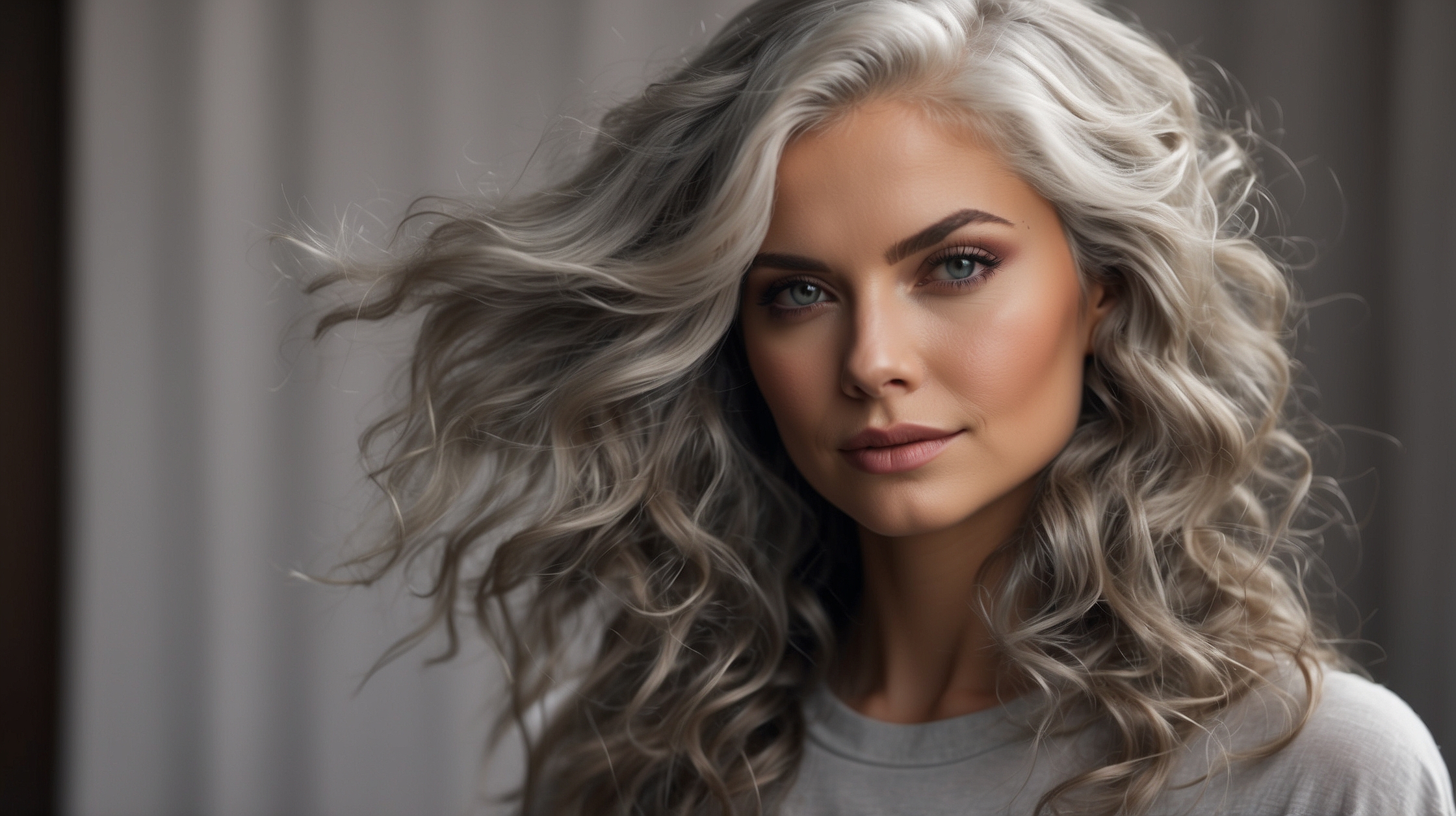
In the world of haircare, few conversations are as evergreen as the pursuit of youthful, effortlessly chic hair color. Over the years, techniques have come and gone — balayage, ombré, babylights — each offering a fresh solution to a timeless desire. But for individuals grappling with gray hair and seeking a natural yet stylish solution, a new innovation is taking center stage: **gray blending melting**. It’s not just a new buzzword in beauty; it’s a quiet revolution that’s transforming salons globally and redefining how people approach aging hair.
Gray hair has long been associated with the harsh upkeep of root touch-ups, or the impracticality of letting strands go fully silver. Now, thanks to gray blending techniques — especially “melting,” which seamlessly blends silver strands with multi-dimensional color — clients can forget about rigid coloring schedules and embrace flexibility and flair. It’s more than just clever coloring. It’s a philosophy: age with authenticity, without compromising on style.
Whether you’re just spotting your first sprinkling of silver or have grown tired of high-maintenance dye jobs, understanding the melting method could be your first step toward loving your grays. Here’s why it matters and what you need to know if you’re curious about taking the plunge.
Gray melting vs. traditional hair dye: what’s the difference?
| Technique | Main Benefit | Maintenance Level | Best For |
|---|---|---|---|
| Gray Melting | Seamless blend with natural grays | Low to Moderate | People transitioning or embracing grays |
| Traditional Dye | Full coverage of grays | High | Anyone wanting uniform non-gray color |
| Balayage | Sun-kissed highlights | Moderate | Younger clients or those with few grays |
Why balayage is taking the backseat this year
For years, balayage was the ultimate go-to for effortless, sun-kissed hair. Its hand-painted technique allowed for a customizable, low-maintenance glow. But as more clients grapple with an increasing number of gray strands, balayage is showing its limitations. It doesn’t mask grays thoroughly, and when it does, growing roots quickly create stark contrasts.
Enter “gray melting” — a color technique that blends natural grays into an artfully layered color palette. Instead of trying to cover or hide grays, this method incorporates them. By applying multiple tones — often cool and neutral hues near the roots melting into lighter ends — gray melting creates a more forgiving grow-out phase and a kinder approach to aging hair.
“Gray melting is changing the way we think about aging. It’s not about hiding your grays — it’s about enhancing them.”
— Eliza Chaudry, Master Colorist
How gray melting works in the salon
The process of gray melting begins with a thorough consultation. The colorist evaluates the **percentage of gray hair**, your existing color, and how quickly you want to transition from full-color dyes to a more natural, blended look. Then begins the layering: stylists apply two or more shades strategically to bridge the gap between pigmented hair and grays seamlessly.
Contrary to multi-step traditional dye-jobs or foiling techniques, melting relies heavily on color smudging — where the root transitions into dyed hair with subtle blending techniques. The absence of harsh lines makes this method incredibly forgiving and long-lasting.
Who qualifies and why it matters
You might be wondering if gray melting is right for you. The technique works best for individuals who:
- Have 30–80% gray hair
- Are transitioning from dyed hair to their natural silver
- Prefer lower maintenance color routines
- Appreciate a natural, multi-tonal result
More importantly, gray melting supports a **graceful, empowering approach to hair color**. For years, clients were told to “cover up” aging. The melting approach acknowledges aging as a beauty dimension, not a flaw. It’s as much about wellness and identity as it is about aesthetics.
“Traditional dyes can sometimes feel like you’re chasing time. Melting offers peace — and beauty — in letting go.”
— Sara Kim, Haircare Educator
What the maintenance routine looks like
Unlike root touch-ups with solid color every 3 to 5 weeks, gray melting often allows for 8 to 10 weeks between appointments. Because the blends fade gracefully, the technique tolerates regrowth better and poses minimal upkeep stress. Clients can pair it with purple shampoos or toning treatments to prevent brassiness and retain dimensional freshness.
What products help your gray melting last longer
To stretch the beauty between appointments, professionals recommend:
- Sulfate-free shampoos to protect color bonds
- Purple conditioners to keep cool tones vibrant
- Heat protectants to avoid fading
- Weekly gloss treatments to nourish and revitalize hair
Winners and losers in the gray blending revolution
| Winners | Losers |
|---|---|
| Clients embracing natural aging | High-maintenance dye clients |
| Stylists offering customized blends | One-tone dye techniques |
| Hair health over time | Frequent chemical treatments |
What results to expect after your first session
After a professional gray melting session, expect your hair to feel softer, shinier, and look more naturally enhanced. The greatest transformation may be internal. Clients report feeling younger, less pressured by gray regrowth, and frequently more confident in their beauty.
You also may notice styling becomes easier. Thanks to the natural depth and color variance, melting supports a visual effect that adds structure to even the simplest of hairstyles.
How to talk to your stylist about gray melting
When booking a consultation or speaking with your stylist, be sure to ask:
- What shades would best blend with my natural grays?
- Can we create a customized melting map for my hair?
- What will maintenance look like over the next year?
Bringing in reference photos of your hair under natural light, or inspiration images, can also help the stylist visualize your goals.
The emotional impact: more than just aesthetics
Hair is deeply personal. How we present ourselves often reflects who we believe we are — or want to become. For many turning to gray melting, the biggest shift isn’t the transformation of their strands, but their self-image. Reclaiming gray as something beautiful, intentional, and stylish marks a massive cultural shift.
“It’s not just a color technique. For women especially, it’s freedom. Freedom from hiding, and freedom to shine.”
— Tamara Lieu, Salon Owner
Frequently Asked Questions
Does gray melting work on all hair types?
Yes, the technique can be adapted for straight, curly, wavy, and coily hair. The key lies in customizing the color placement for your hair’s natural movement and texture.
Is gray melting a permanent solution?
No, it’s a semi-permanent technique that fades gradually over weeks. However, it offers much longer durability than standard dyes due to its blended nature.
Can I do gray melting at home?
It’s not recommended. The technique requires professional knowledge of color theory, placement, and toning to achieve a seamless result.
How long does the process take in the salon?
Typically, expect to spend 2–4 hours in the salon depending on hair length, density, and the number of colors used.
Will gray melting damage my hair?
When done by a professional using high-quality products, the technique is far gentler than full-process dyes since it often avoids harsh developers.
Are there specific hair colors that blend better with grays?
Ash blonde, mushroom brown, and cool silver hues tend to blend most naturally with gray strands, but a skilled colorist can customize tones to suit any base color.
Do men get gray melting treatments too?
Absolutely. More men are embracing low-maintenance blending solutions that look natural and minimize harsh regrowth lines.
What’s the average cost of a gray melting session?
Prices range from $150 to over $400 depending on the salon, location, and coloring complexity.