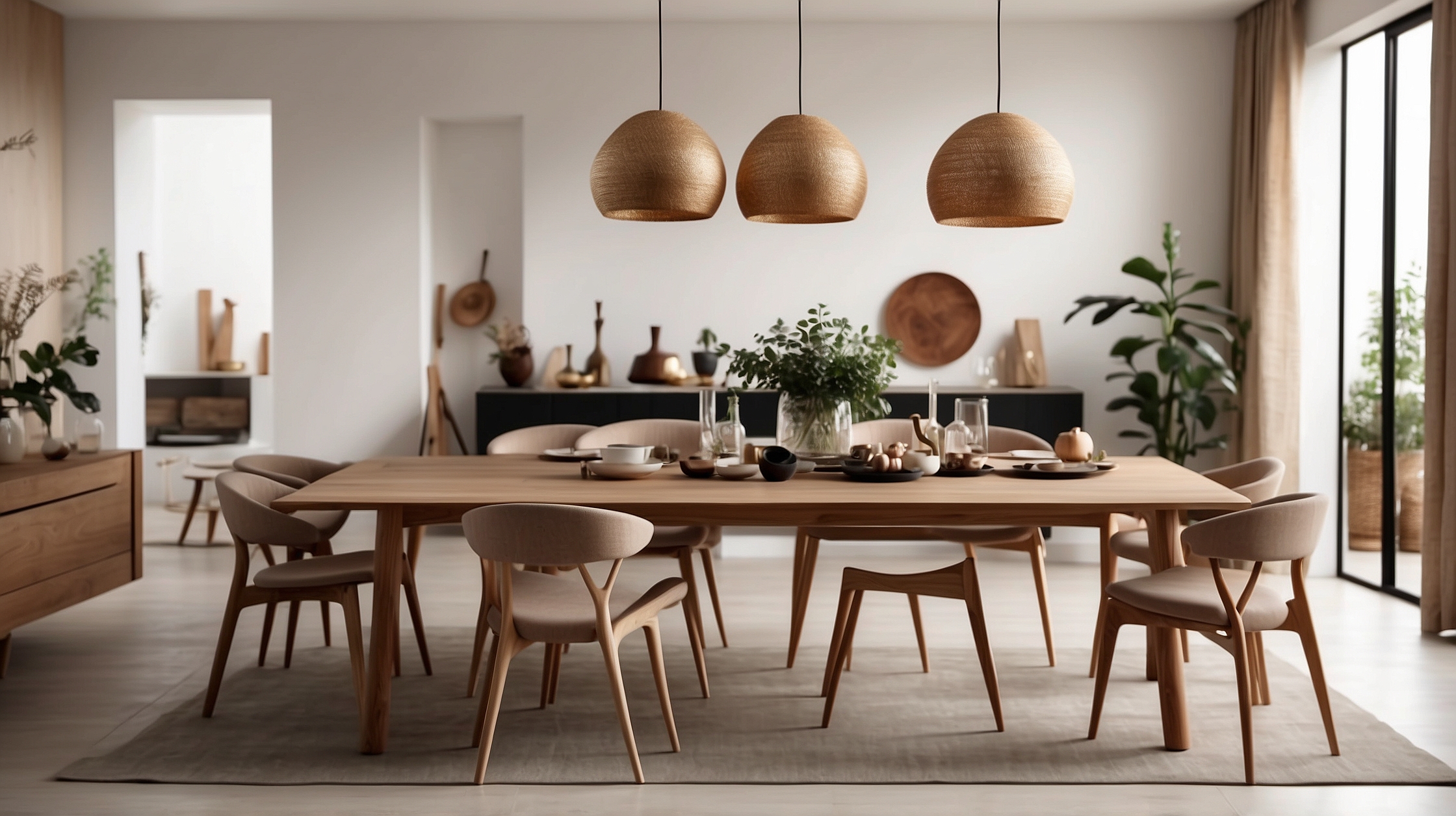
It used to be the heart of the home — a place where families gathered for dinner, birthdays were celebrated, and conversations were shared. The dining table, once a symbol of unity and domestic routine, is now rapidly disappearing from modern homes. Instead, people are turning to more functional, flexible alternatives that better suit their evolving lifestyles. This surprising shift is reshaping not just interior design preferences, but also how we connect with each other inside our living spaces.
Walk into a newly built condo or an urban apartment and you might not see a traditional dining table at all. Instead, there’s a slim countertop with stylish stools or a cozy couch with a low multifunctional table that doubles as a workspace. The modern lifestyle — defined by speed, remote work, and digital interaction — has transformed how we live and dine. The idea of sitting down for a family meal at a large formal dining table is becoming less practical and more symbolic, reserved only for special occasions rather than daily necessities.
This trend is no longer limited to studio apartments or trendy urban lofts. Around the world, homeowners—young professionals, digital nomads, even growing families—are saying goodbye to the dining table and embracing space-saving, multipurpose design solutions that prioritize function and freedom over tradition.
Why the dining table is disappearing
| Factor | Impact on Dining Habits |
|---|---|
| Smaller living spaces | Less room for dedicated dining areas |
| Rise in solo households | Less need for formal meal setups |
| Remote work culture | Furniture must serve dual purposes |
| Convenience dining | Meals often consumed on couches or work desks |
| Design preferences | Minimalism favors compact, hybrid furniture |
How lifestyle changes are shaping our interiors
The choice to eliminate the dining table isn’t just accidental—it’s the result of major lifestyle shifts. One of the greatest drivers is the global trend toward smaller living spaces. Especially in urban centers, where rising property prices mean people trade expansive layouts for compact, efficient apartments, allocating valuable square footage to a formal dining table no longer seems practical.
Additionally, the post-pandemic era has accelerated remote work, with more people than ever working from home. Dining tables that once served a specific role are now being replaced by hybrid setups—an island counter, a standing desk, or even a wall-mounted foldable table—that can transition from meeting spot to lunchtime surface in seconds. The focus has shifted from routine to flexibility.
“I realized the dining table just took up space,” said one urban professional. “I now eat at my kitchen island and use the extra space for a reading lounge. It changed the entire vibe of my apartment.”
Smart furniture fills the void
As dining tables vanish, a new wave of multifunctional furniture has risen to take its place. Think extendable kitchen counters, fold-out wall tables, or coffee tables that lift and unfold into workspaces. Many young homeowners are opting for such pieces because they offer more than just one use, maximizing every inch of available space.
“Furniture needs to work harder now,”
— Lena Scott, Interior Designer
For example, dining surfaces are now integrated into kitchen islands or even window-facing ledges. Some homes replace a formal dining setting with a coffee table that adjusts in height to become a usable desk or eating area. This ingenuity ensures you’re not sacrificing comfort for function—just merging the two into a streamlined alternative.
Who’s welcoming this change
| Winner | Why They Benefit |
|---|---|
| Urban homeowners | Can create more open, flexible living areas |
| Minimalist enthusiasts | Enjoy clean, uncluttered interiors |
| Remote workers | Easier to adapt space for multiple uses |
| Loser | Why They Lose |
|---|---|
| Traditional furniture sellers | Declining demand for large dining sets |
| Large families | May struggle without a central mealtime area |
Changing social norms and dining culture
The evolution of social habits also plays a role. With increasingly busy lifestyles, fewer families eat meals together regularly. Mealtimes are now casual—squeezed in between Zoom meetings, Netflix binges, or TikTok scrolling sessions. People are eating wherever it’s convenient: on the couch, in bed, or even standing in the kitchen.
Additionally, food delivery culture is majorly responsible for sidelining the dining table. With an abundance of food apps and takeaway options, traditional home-cooked meals have become occasional rather than daily routines. Why set a table when dinner comes in a box?
The pandemic also reinforced solo eating even within households, due to social distancing rules or disrupted schedules. This normalized a more individualistic approach to meals, pushing the dining table further into redundancy.
Interior trends embracing the new lifestyle
Interior design has swiftly adapted to this shift in lifestyle needs. Open floor plans now flow seamlessly from kitchen to living room, blurring the lines between function-specific areas. Furniture designers are introducing products with built-in adaptability—from cabinet tables to hidden dining tops that slide out of drawers.
Wall-mounted dining tables are also gaining favor, especially in smaller homes. These units can collapse when not in use, giving homeowners the flexibility to use that space for yoga, work, or simply walking around freely. The shift is not just physical—it’s philosophical.
“A home should reflect how we really live, not how we think we should,”
— Marcos Del Rio, Modern Living Architect
What this means for future home layouts
Developers and architects are taking note. Many new apartments come without a designated dining room altogether. Instead, they include multi-use nooks or countertops that double as cooking and eating spaces. This gives homeowners more control and a stronger sense of personalization since traditional domestic boundaries are being redrawn.
Incorporating smart storage, sleek design, and digital conveniences, tomorrow’s homes may look very different from the ones we grew up in. What’s vanishing is not just a piece of furniture — but a tradition, being replaced by a lifestyle that values customization over conformity.
Adapting without giving up connection
It’s easy to worry that removing the dining table might remove emotional connection during meals. But in reality, families and individuals are finding new ways to bond: cooking together in open kitchens, hosting casual movie-nights on the sofa with shared snacks, or even engaging in screen-free breakfasts at the kitchen island.
New rituals are replacing old ones — and while they may not happen at a formal dining table, they’re no less meaningful. The point is not about where we dine, but whether we still make time for one another, even in informal ways.
Short FAQs
Is the removal of dining tables a global trend?
Yes, this is becoming increasingly common internationally, especially in urban areas and among younger homeowners who prioritize space-saving and multifunctional furniture.
Are dining tables still relevant for families?
They can be, particularly for those who value structured family meals. However, many now opt for more flexible dining setups that serve multiple purposes.
What alternatives are people using instead of dining tables?
Popular alternatives include kitchen islands with stools, fold-out wall tables, adjustable coffee tables, or simply eating at desks or couches.
What role has technology played in this trend?
Remote work and food delivery apps have normalized solo, casual, and mobile dining habits, reducing the need for centralized eating areas.
How does this impact home design going forward?
Architects are designing homes without formal dining rooms, instead favoring open layouts and versatile furniture placements.
Is this trend likely to continue long term?
Given current space and lifestyle limitations in many cities, the decline of the formal dining table seems poised to persist and evolve further.
Can removing the dining table affect home resale value?
Not significantly. Many buyers now prefer open-plan, functional interiors. However, flexible solutions are a good compromise during staging.
Is it possible to create dining rituals without a table?
Absolutely. Gathering around a kitchen island, eating together on the patio, or sharing a tray meal on the couch can still build connection.