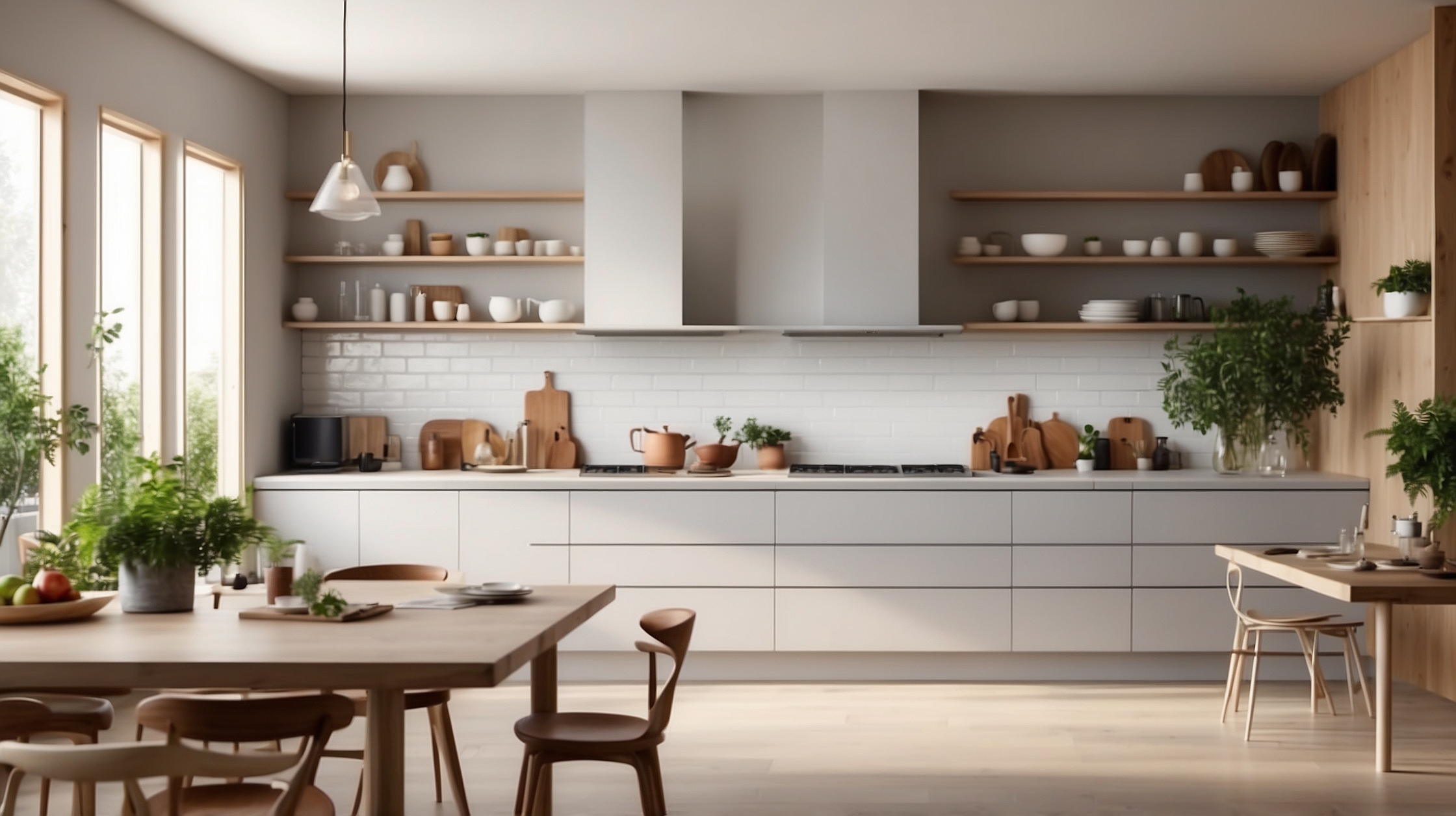
For decades, the kitchen island reigned as the crown jewel of open-plan homes—providing prep space, seating, and a social hub for gatherings. But lately, a quiet shift has begun in the heart of modern homes. Designers and homeowners alike are exploring alternatives that not only feel more spacious, but also more elegant and efficiently tailored to how we actually live and cook today.
This transformation isn’t just about aesthetics—though it delivers plenty in that category. It’s about rethinking the kitchen as more than a centerpiece of marble and seating. The emerging design trend of replacing kitchen islands with multifunctional worktables is already reshaping interiors in 2024 and is projected to dominate by 2026. Inspired by both timeless European designs and the need for flexible, livable space, this movement is gaining traction among architects, interior designers, and homeowners seeking a better balance between form and function.
As kitchen design continues to evolve, it’s essential to understand what’s shaping these changes, who they’re best suited for, and how they might redefine the future of home living. Here’s why the traditional kitchen island is on its way out—and what’s replacing it.
Quick look at how kitchen workspace design is evolving
| Feature | Kitchen Island | Worktable Alternative |
|---|---|---|
| Design Purpose | Static centerpiece for prep and seating | Flexible, mobile, dual-purpose workspace |
| Storage Integration | High storage with under cabinets | Minimal or open storage underneath |
| Aesthetic | Bulky and prominent | Airy, lighter, more open |
| Space Efficiency | Can cramp smaller kitchens | Optimized for compact living |
| Cost | High installation cost | Less costly and easier to install |
What changed this year
In recent years, interior design has steadily shifted toward simplicity and intentional functionality. By 2024, this trend has reached a tipping point. With more people working from home, reevaluating spatial layouts, and prioritizing personal flow in their homes, the kitchen space was bound to face scrutiny.
The dense, heavy footprint of traditional kitchen islands—often obstructing flow or taking up valuable floor space—has started to feel more like a hindrance than a luxury. At the same time, global design inspirations, especially from European and Scandinavian kitchens, have emphasized minimalist worktables: freestanding units that provide just enough space to prep, entertain, or gather—without overwhelming the room.
These worktables not only bring fresh aesthetic appeal but also lend utility and flexibility that static islands simply can’t match. With design leaning toward lighter, more breathable spaces, the bulky island is quietly losing its claim as the kitchen’s MVP.
Why the kitchen worktable is winning
The growing popularity of kitchen worktables stems from their sheer practicality. Freestanding tables or open shelving units offer many of the same benefits of a traditional island—like extra surface area and seating—but in a way that aligns with 2024’s top home design priorities: flexibility, spatial efficiency, and sophistication.
Unlike built-in kitchen islands, which require extensive plumbing, electrical work, and flooring adjustments, worktables can be chosen, moved, and replaced with far less commitment. This appeals to homeowners who prefer change or anticipate shifting needs—especially with more families blending home offices and dining spaces together.
Designers also mention that modular tables can double as dining setups, homework zones, and impromptu entertaining surfaces. Their roots in historic kitchen design (think pre-1950s baker’s tables and farmhouse layouts) add a touch of old-world charm that aligns beautifully with contemporary minimalism.
“A worktable brings the warmth of a traditional kitchen while reflecting modern sensibilities—less clutter, more precision, and a sense of openness.”
— Sasha Everett, Interior Designer
Who benefits most from this shift
The transition from bulky kitchen islands to elegant worktables is especially impactful for homeowners with small to mid-sized kitchens—city apartment dwellers, older home renovators, and anyone looking to avoid the aesthetic trap of ‘over-designing’ a single functional focal point.
Families also appreciate the flexibility these tables provide. Being able to repurpose the space for crafts, meals, or remote work proves far more useful in everyday life than the traditional three-stool setup of a fixed island. For empty nesters downsizing into smaller homes, the shift offers breathing room that doesn’t compromise sophistication or utility.
“There’s a psychological difference when a kitchen feels open rather than blocked by a heavy structure. The worktable makes the space feel dynamic, not dictated.”
— Marc Liu, Residential Architect
Design accents that are complementing the trend
This shift in kitchen design doesn’t start and end with worktables. It’s part of a broader design evolution where homeowners are leaning into subtle sophistication over grand statements. Other popular accents now seen alongside these centerpieces include:
- Open display shelving over heavy cabinetry
- Neutral color palettes—earthy and muted tones
- Statement lighting above the table (not recessed)
- Armless stools or bench seating that tuck away
- Mobile butcher blocks or inset cuttings boards
These elements further highlight the lightness and elegance of the new kitchen aesthetic. Instead of staging an industrial command post in the center of the kitchen, today’s trends favor graceful cohesion with the rest of the living space.
Cost considerations and value shift
Building out a kitchen island can cost anywhere from $3,000 to over $10,000, depending on materials, labor, and finishes. In contrast, a high-quality freestanding table or modular workstation might range from $500 to around $2,000, with far fewer installation requirements.
This price difference—and the ease of replacing or upgrading later—makes kitchen worktables a financially savvy choice, especially in an economy where homeowners are being cautious with investments. The ROI is not just monetary. The adaptability and timeless palette pay forward in style longevity and everyday usability.
Winners and losers in the kitchen design transition
| Winner | Loser |
|---|---|
| Small-space homeowners | Fixed island designs in compact layouts |
| Flexible, multipurpose furniture | Heavy-cost permanent installations |
| Minimalist and European aesthetics | Overly-built traditional kitchens |
| Open, breathable kitchen flow | Blocked walkways and rigid structures |
How to make the switch in your own kitchen
If you’re considering jumping on this elegant, practical trend, start by assessing your current kitchen layout. Ask yourself how often your island is used as intended versus how often it gets in the way. Then consider proportions: worktables succeed when placed in proportion—and connection—to the room’s flow.
Look for materials and forms that align with your cabinetry for cohesiveness. Woods, mixed metals, and quartz tops are especially popular. An option with wheels or open storage beneath adds a function-forward aspect while retaining elegance. And don’t overlook lighting—one sculptural light fixture can elevate the entire working table area.
Ultimately, the transition isn’t about subtraction, but refinement. You’re not removing function—you’re elevating purpose with graceful design.
Frequently asked questions about the kitchen trend
Is the kitchen island completely going out of style?
Not entirely, but its dominance is declining. Many designers now favor alternatives that offer more flexibility and suit smaller homes or modern lifestyles.
What should I replace my kitchen island with?
Opt for a freestanding kitchen worktable made from wood, metal, or stone that suits the style of your space. It can serve as a prepping area, dining spot, or multifunctional table.
Are kitchen worktables practical for families?
Yes, especially for families needing flexibility in the kitchen. These tables double as study or craft areas and can be moved if needed.
Does removing a kitchen island affect home resale value?
Not if replaced with a well-designed alternative. As trends evolve, updated buyers appreciate open, smartly designed homes without bulky center islands.
Can a worktable still include cabinets or storage?
Absolutely. Some come with open shelving below, while others include drawers or rolling units. The key is to maintain an open aesthetic.
What is the best material for a modern kitchen worktable?
Wood remains the most versatile, but metal bases and quartz, granite, or butcher block tops are also popular depending on the style.
Are worktables budget-friendly?
Yes, they typically cost less than permanent islands and can be customized to suit virtually any budget or function.
What design style pairs best with kitchen worktables?
This trend fits well with modern farmhouse, Scandinavian, minimalist, and transitional kitchen styles.