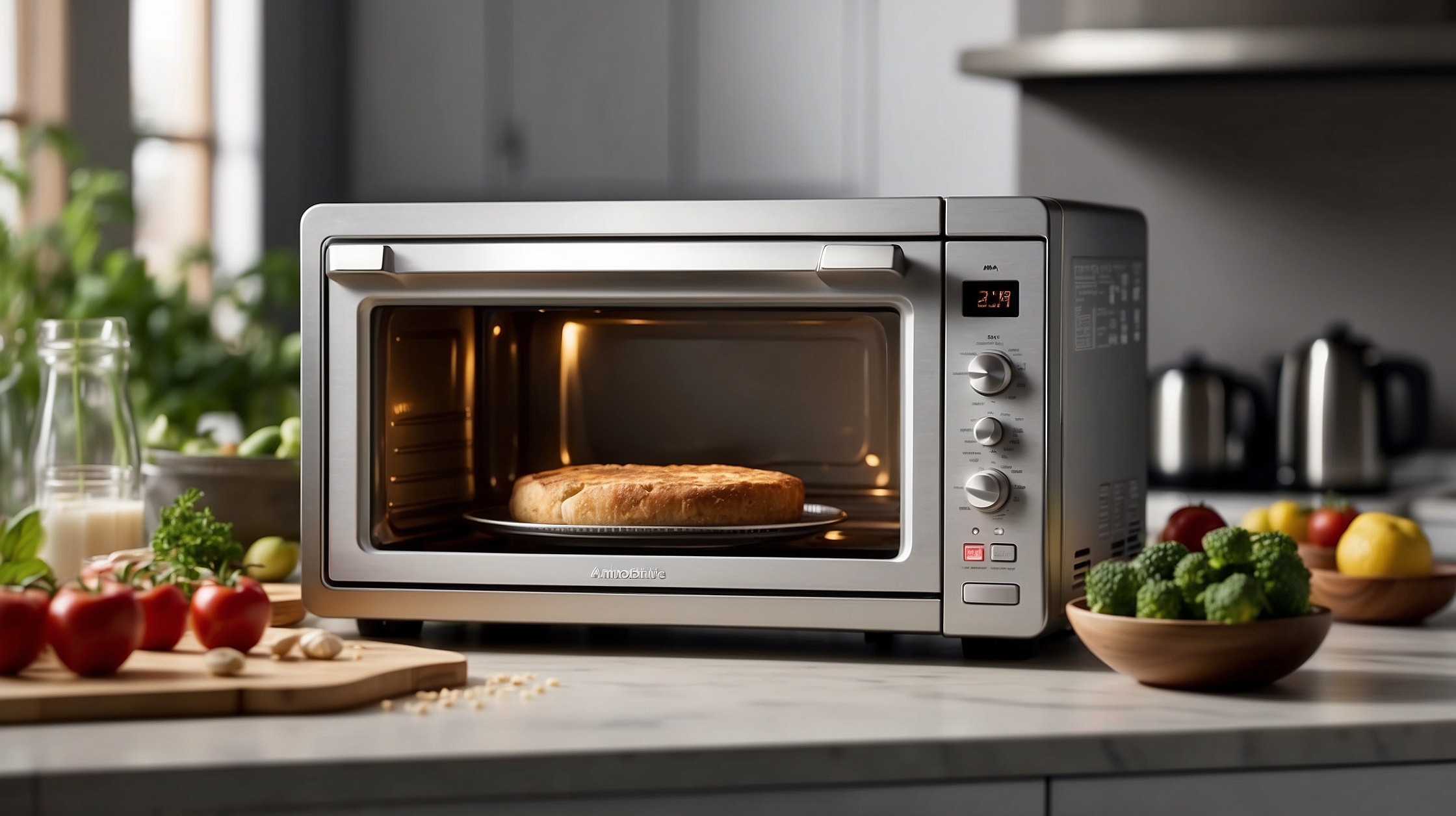
For decades, the microwave oven held a central place in millions of kitchens, celebrated for its speed and convenience. It promised instant gratification — warm meals in mere minutes — and revolutionized how we reheat, defrost, and sometimes even cook food. But as tastes evolve and concerns about food quality and nutrient preservation rise, the love affair with microwaves is starting to cool. In its place emerges a sleeker, smarter, and healthier contender: the steam oven.
This shift didn’t happen overnight. Instead, it grew gradually from a fusion of health-conscious cooking trends, minimalistic design ideals, and rapid technological advancements in home appliances. With sharper aesthetics and promises of more flavorful, nutrient-rich food, steam ovens are stepping into the limelight as the all-in-one tool that could finally make traditional microwaves obsolete.
Whether you’re renovating your kitchen or simply wondering how to improve your daily meals, knowing *why* people are switching to steam ovens — and whether you should too — can make a significant difference. Here’s everything you need to know about the steam oven revolution and how it might just replace the humble microwave for good.
Steam ovens vs Microwave ovens: At a glance
| Feature | Microwave Oven | Steam Oven |
|---|---|---|
| Cooking Method | Electromagnetic radiation | Water vapor (steam) |
| Health Impact | Can degrade nutrients and texture | Preserves nutrients & moisture |
| Taste & Texture | Often dry or rubbery | Flavorful and moist |
| Speed | Fast | Moderately fast (still efficient) |
| Size & Aesthetics | Bulky and yet compact | Sleek, built-in options available |
| Versatility | Mostly reheating and defrosting | Reheating, baking, steaming, slow-cooking |
| Cleaning | Simple wipe-down | May require descaling and water reservoir cleaning |
What makes steam ovens the rising favorite
Steam ovens operate by using hot steam to cook food, locking in flavors, moisture, and nutrients. Unlike microwaves, which use electromagnetic waves that agitate water molecules and can often result in unevenly heated food, a steam oven envelops your dish in consistent steam heat from all angles. This creates steady and even cooking without flash-drying the ingredients.
The capabilities are wide-ranging: soft steamed vegetables, flaky fish, warm leftovers, fluffy rice, even gentle baked goods. For those obsessed with freshness and nutrition, steam ovens provide the best of both worlds — convenience and health preservation.
Benefits beyond basic cooking
One of the standout features of steam ovens is how much they preserve the natural qualities of your ingredients. Studies have shown that steaming retains over 80% of certain nutrients that would otherwise deteriorate in a microwave or traditional oven.
Additionally, they offer greater precision and versatility. Many modern units now come with combination settings, allowing you to combine steam with convection and dry heat for the perfect cook-through — whether you’re tackling sourdough or searing duck breast.
“Steam ovens respect the integrity of food. You’re not just nuking flavor away — you’re actually enhancing it.”
— Chef Lena Torres, Culinary Innovation Expert
The health-conscious movement driving change
As more people seek cleaner, nutrient-dense diets, their kitchen appliances are changing too. Microwaves, once a fixture of the fast-food mentality, no longer align with our drive for mindful eating. Among health circles and culinary professionals, steam ovens have now emerged as the essential upgrade for wellness-oriented households.
Beyond just cooking better meals, steam ovens assist with portion control and clean cooking. Because it doesn’t require the use of oils or fats, dishes come out leaner and lighter. That’s reason enough for health buffs to make the switch.
“We’re seeing wellness becoming a priority in household designs, and steam ovens are an organic step in that evolution.”
— Olivia Han, Nutritionist & Kitchen Designer
Design trends embracing built-in steam ovens
Modern kitchen architecture is increasingly focused on integration and flow. Steam ovens lend themselves beautifully to this trend. Sleek, built-in options allow for smooth installations into cabinetry, giving your kitchen a minimalist and clutter-free appearance.
Unlike microwave ovens, which often sit awkwardly on countertops or require large over-the-range configurations, the steam oven is designed to blend with connoisseur-grade aesthetics. Think fingerprint-resistant finishes, intuitive touchscreen flows, and even smart-home compatibility.
Challenges and things to consider
While many are eager to embrace the steam oven revolution, there are a few considerations. First, the learning curve. Cooking with steam offers nuances — timing, temperature, and expectations that differ from microwave or oven methods. Investing time to understand your appliance pays off in quality and consistency.
Second, maintenance. Unlike microwaves that usually need just a wipe, steam ovens may require regular descaling and cleaning of water reservoirs to maintain their steam functionality.
Lastly, price. Steam ovens tend to be an investment, ranging from a few hundred to a few thousand dollars depending on brand, size, and feature set. However, for many, the long-term benefits to health and flavor justify the upfront cost.
“In our experience, families who switch to steam cooking report less reliance on takeout and more home-prepped meals. The device pays for itself with healthier habits.”
— Marcus Bale, Appliance Consultant
Who wins and who loses in the shift to steam
| Winners | Losers |
|---|---|
| Health-conscious families | Microwave manufacturers |
| Home chefs & foodies | Fast meal culture |
| Kitchen designers/architects | Countertop space |
| Sustainability advocates | Processed food dependency |
How to transition from microwave to steam oven
If you’re considering making the switch, start by pinpointing what you use your microwave for most — whether it’s reheating, defrosting, or cooking — and then find a steam oven model that excels in those areas. Many top units now feature quick-start functions and memory cooking profiles similar to what users expect from microwave presets.
To begin, try reheating leftovers or baking simple vegetables. Once comfortable, explore more complex dishes like custards, rice dishes, or slow-cooked proteins. Integrating the steam oven in small, intentional ways allows for a smoother transition without overwhelming your routine.
Short FAQs about Steam Ovens
What is a steam oven?
A steam oven is a kitchen appliance that uses hot steam to cook food, preserving moisture, flavor, and nutrients.
Can a steam oven reheat leftovers?
Yes, steam ovens are excellent for reheating food evenly without drying it out, unlike traditional microwaves.
Are steam ovens healthier than microwaves?
Generally, yes. Steam ovens preserve more nutrients and require less fat or oil when cooking.
Do steam ovens take longer to cook?
While they can be slightly slower than microwaves, most models offer fast cooking and even better results.
Is it difficult to clean a steam oven?
Steam ovens require regular maintenance like descaling and cleaning water reservoirs, but many have auto-clean functions.
Can I bake in a steam oven?
Yes, many steam ovens come with combination steam-convection modes ideal for baking everything from bread to pastries.
Are steam ovens expensive?
They tend to be pricier than microwaves, but the broader functionality and health benefits make them a smart long-term investment.
Will a steam oven replace all my other appliances?
It can replace several, including your microwave, slow cooker, and even your standard oven depending on the model.