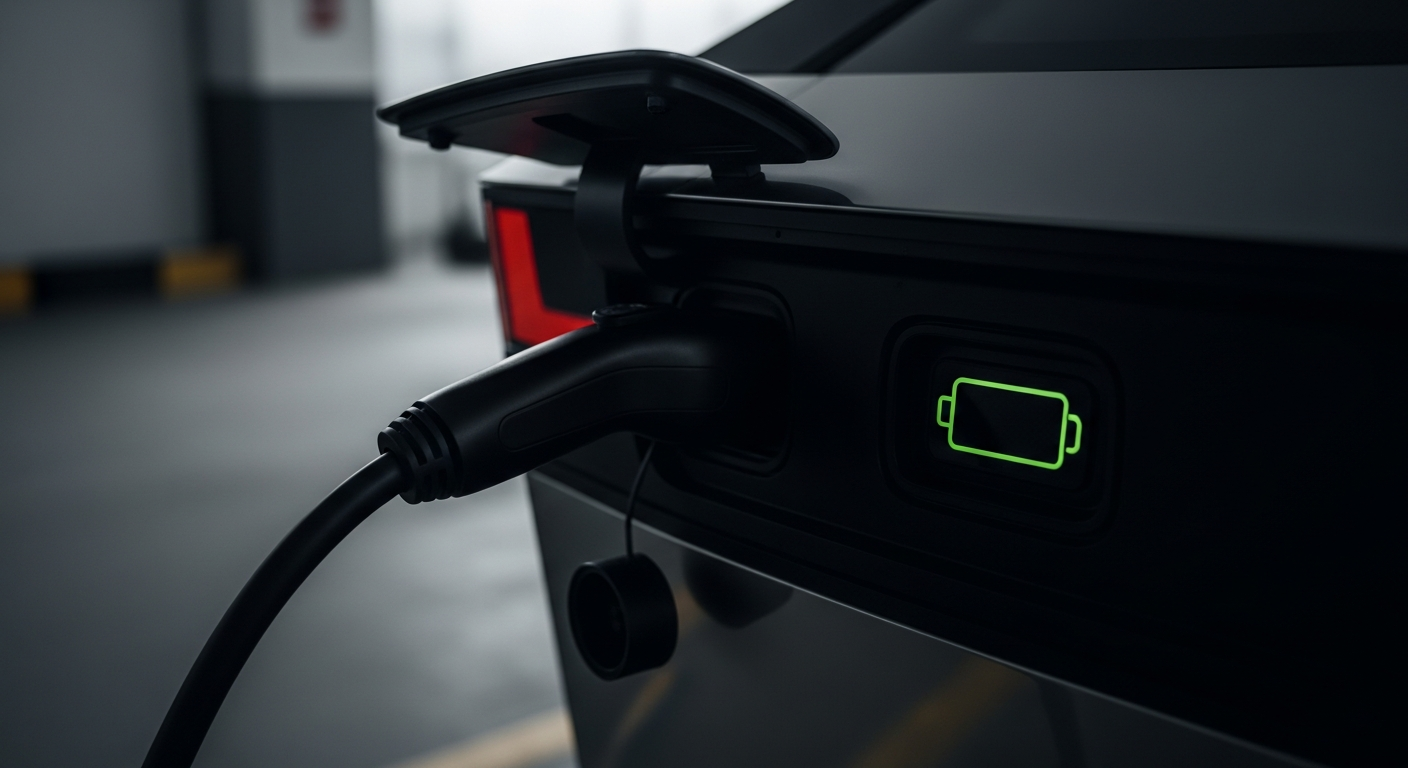
A Tesla Cybertruck owner received an unpleasant surprise after returning from a two-week vacation—his much-anticipated and famously rugged electric pickup refused to start. The issue wasn’t mechanical or due to a system malfunction. Instead, it stemmed from a common oversight that all EV owners should know: leaving a vehicle plugged in and unattended for extended periods can trigger unexpected complications.
As the future of mobility continues to move electric, stories like these underscore the importance of understanding how electric vehicles (EVs) behave under varied real-world conditions. The Tesla Cybertruck, built with cutting-edge battery technologies and software systems, is engineered for performance and durability. But even advanced EVs are not immune to battery management complexities and software constraints. This event serves as a cautionary tale for both current and prospective EV owners about the nuances of long-term vehicle storage and the significance of setting the vehicle’s charging preferences correctly.
Cybertruck battery safety protocols and user experience
| Topic | Details |
|---|---|
| Vehicle Involved | Tesla Cybertruck |
| Incident | Battery lockout after prolonged plug-in with no use |
| Owner Action | Left Cybertruck plugged in during a 2-week vacation |
| Car’s Response | Vehicle refused to start; prompted user to restart |
| Resolution | Manual reboot resolved issue but raised concerns about Tesla’s long-term battery protocols |
What exactly caused the issue with the Cybertruck
The problem began when the vehicle’s owner left his Tesla Cybertruck plugged in to charge continually while he went away on vacation. Despite thinking that this would help preserve the battery and ensure the vehicle was ready upon his return, the opposite occurred. When he came back and tried to start the truck, the system displayed an error indicating it could not engage drive mode. According to several reports and expert opinions, the Cybertruck’s battery management software likely interpreted the non-usage and constant charging as abnormal behavior, triggering a security protocol that limited the car’s functionality.
Tesla vehicles are designed with complex software that monitors battery usage, toggles performance modes, and performs automatic system diagnostics. Software triggers like these exist to ensure long-term battery health and user safety—but they can also backfire if users are unaware of how the systems work. In this case, the software might have detected what it interpreted as a risk of overcharging or a power management error due to the lack of cycling (discharging and recharging), rendering the vehicle temporarily inoperable until a manual reset was performed.
Why constant charging isn’t always good for EV batteries
With gasoline-powered cars, leaving the tank full when going on vacation often makes sense. But EVs, especially newer generation ones like the Cybertruck, operate on lithium-ion battery packs that must be well managed electronically. While plugging in an EV long-term might seem like a “set it and forget it” approach, Tesla recommends setting a charge limit (typically 80–90% of full capacity) to prevent battery degradation.
Additionally, Tesla’s embedded software is designed to automatically balance the battery and recalibrate metrics such as range and efficiency estimates. However, if the vehicle is not used or driven for a long period, especially while being plugged into a continuous power source, it can create confusion in the system. This scenario complicates resistive balancing and may even cause the system to lose its grasp on true state-of-charge metrics, which sometimes leads to software errors or false warnings.
Expert insights on battery management best practices
EVs aren’t just about plugging in and forgetting. Intelligent battery conditioning is crucial. Leaving your vehicle fully charged and unused for weeks can trigger protection modes or create software bugs.
— Michael Tanaka, Auto Software Engineer
Most EV manufacturers—including Tesla—recommend “storage mode” or setting specific preferences when parking long-term. This involves reducing charge limits, disabling certain automatic systems, and even disconnecting the vehicle from continuous power sources if it’s safe to do so. Cybertruck owners especially should pay attention, given the new software architecture unique to the model, which may have additional protection constraints not seen in previous Tesla models.
Implications for Tesla’s customer support and software policies
This incident has also raised questions about how Tesla communicates vital battery care information to its customers. While the company does provide documentation on best practices, the evolving software landscape makes it difficult for average users to stay fully informed. Minor missteps, such as improper long-term charging behavior, can lead to disproportionately significant outcomes.
Owners have begun advocating for more robust in-app notifications or an automatic “Vacation Mode” that could disable unnecessary features and regulate charging parameters based on user-set absences or geographical cues. It’s yet another sign of the growing need for enhanced user interfaces in EVs that guide regular consumers through technically advanced systems without requiring a deep understanding of electric powertrains or software management systems.
How to safely store your EV during long absences
If you’re planning to leave your EV—Cybertruck or otherwise—unattended for a significant time, here are key best practices based on expert and real-world feedback:
- Do not leave the car plugged in at full charge without driving it.
- Set a charge limit of 80%, or activate storage settings if available.
- Consider unplugging the vehicle after reaching the desired charge level.
- Check for software features such as scheduled charging or power-saving modes.
- Reboot vehicle systems upon returning, especially if dashboard warnings appear.
While Tesla technology is remarkably sophisticated, it still relies on human behavior data. Understanding your vehicle’s charging behavior and software expectations is just as important as understanding how to drive it.
— Sara Mitchell, EV Analyst
The owners’ responsibility versus manufacturer’s duty
Another ongoing discussion in the EV world is: what portion of responsibility lies with the user, and what rests with the manufacturer? Clearly, EVs are not as straightforward as ICE (internal combustion engine) vehicles when it comes to routine use and maintenance. While Tesla provides tools, dashboards, and notifications, there’s an argument that more proactive systems could help prevent such issues entirely.
For instance, a notification system that detects unusual long-term plug-in behavior and reminds users to limit their charging could mitigate most of these cases. Similarly, “smart vacation” settings could ensure the vehicle enters a low-power state automatically when no activity is detected over a defined period. Such features could improve user satisfaction and brand reliability dramatically.
Winners and losers in this technological oversight
| Winners | Losers |
|---|---|
| Electric vehicle software developers (learning opportunity) | Cybertruck owners unaware of EV best practices |
| Battery health protocols (ensured no overcharge) | User experience due to lack of clear communication |
| Industry focus on smarter vehicle storage modes | Tesla’s reputation for intuitive software |
What’s next for Tesla owners and the future of EV software
This incident will likely prompt both Tesla and other EV makers to revisit the way charging instructions, storage considerations, and software safety protocols are shared with users. Modern EVs are digital machines on wheels, and like all tech, they require periodic updates—not just on the software end, but also in user expectations and knowledge. Training, alert systems, or even in-car tutorials upon initial vehicle delivery could help prevent similar problems in the future.
As EV adopters move from early tech enthusiasts to mainstream users, ease of use and resilience during everyday life situations—like vacations—will become a significant benchmark for product quality. Tesla has the engineering edge, but doubling down on user support and education could ensure they remain ahead as competition in the EV space heats up.
Frequently Asked Questions
What caused the Tesla Cybertruck not to start after the vacation?
The vehicle had been left plugged in for two weeks without use, triggering software protocols that temporarily disabled its drive function.
Is it bad to leave your Tesla plugged in for too long?
It can be, especially if left unattended. Continuous power and lack of usage may confuse the battery management system and trigger protective features.
What should I do before leaving my EV for a long time?
Set a charge limit (80–90%), unplug once charged, and activate storage or energy-saving features available within the Tesla software system.
How did the owner fix the issue?
The owner performed a manual system reboot which resolved the lockout issue and restored drive functionality.
Could this issue happen with other Tesla models?
Yes. While this specific case involved a Cybertruck, similar battery management systems are present in all Tesla vehicles.
Does Tesla warn users about prolonged charging risks?
There are general guidelines available, but more proactive, automated notifications could help users avoid such incidents more effectively.
Is Tesla working on a vacation or storage mode for the Cybertruck?
As of now, there’s no official statement, but consumer demand may accelerate development of such features.
How often should I drive my EV if stored at home?
Driving or discharging the battery every few days during long periods of inactivity is recommended for optimal battery performance.