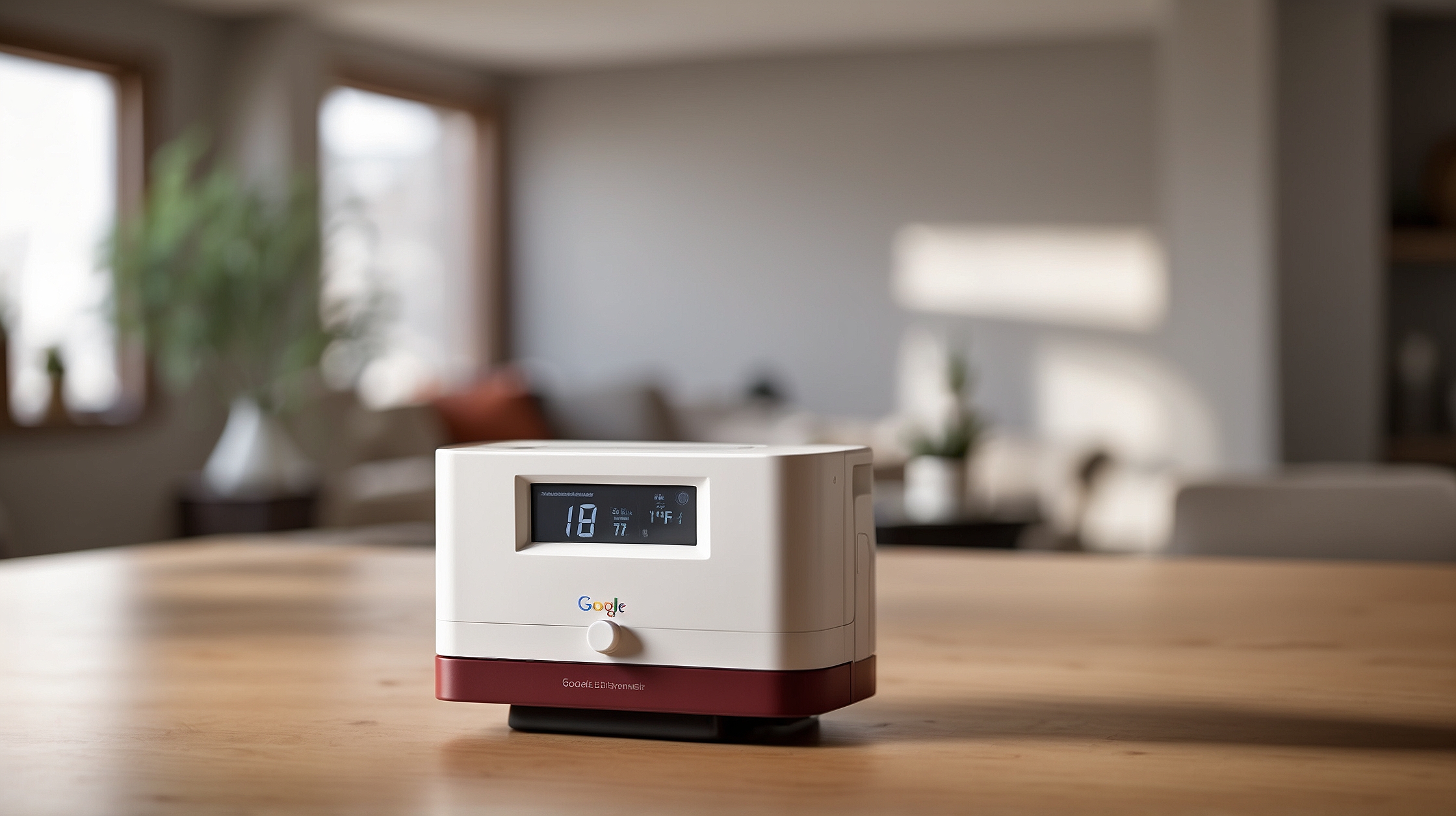
As the frost begins to creep across windows and thermostats become the heart of every household’s winter routine, our battle with the chill takes on a digital dimension. Most of us, without thinking twice, twist the dial or push a button when we walk into a cold room, expecting instant warmth. And when the temperature doesn’t rise fast enough, many homeowners fall back on a common habit—cranking the thermostat higher than their desired room temperature.
It feels like the logical thing to do—if you want your home to warm faster, turning up the heat higher should work quicker, right? But according to heating engineers, this widespread belief is not only incorrect but can also cost you significantly more in energy bills. This simple misunderstanding is more than just a minor inconvenience—it’s a financial drain and an efficiency mistake that could be avoided with just a little insight.
To help homeowners get smarter about their heating habits during cold spells, professionals across the heating industry are shedding light on how thermostats really work and what you should be doing to keep warm efficiently this winter. From misunderstood behaviors to expert tips that could help save hundreds on your energy bill, here’s what you need to know about optimizing your thermostat use when the temperature drops.
Understanding these heating myths and the actual science behind your thermostat’s behavior is crucial—not only to keep your home cozy—but to do so sustainably and economically.
Understanding thermostat behavior during cold spells
| Key Insight | Details |
|---|---|
| Thermostats don’t control how fast your home warms | Turning the thermostat higher won’t make the boiler work faster |
| Overcompensating leads to overheating | This causes your boiler to work longer, not faster |
| Smart thermostats offer timed pre-heating | They learn your habits and heat homes efficiently |
| Thermostat placement impacts performance | Locations in direct sun or near drafts can skew readings |
| Insulation and radiator efficiency matter | These can affect how long your home retains heat |
Why turning the thermostat up higher doesn’t heat your home faster
When it’s freezing outside and your home feels like an icebox, it’s human nature to take action. But despite what many believe, turning a thermostat up to 30°C doesn’t make your heating system work faster. In fact, it only tells the boiler to heat the room until it reaches a higher temperature—which inevitably takes more time and more energy.
This fundamental misunderstanding leads countless households to unintentionally waste energy. Heating engineers warn that boilers operate at a constant rate, regardless of the temperature you’ve selected. By setting it higher, you’re just telling the system to push further—not faster.
“People misunderstand how thermostats function. They’re not accelerators—they’re limiters. Setting it to 25°C when you want 21°C does nothing except overheat your space.”
— John Price, Heating Specialist
The cost of guessing wrong: how overcompensation hurts your bill
Overshooting your thermostat setting doesn’t just ruin comfort—it adds weight to your electricity and gas bills. Once the desired room temperature is reached, the system will continue running to hit the new, unnecessary higher setting, wasting both time and costly energy.
It’s a behavioral reflex most homeowners perform instinctively, especially during sharp temperature drops. The result is often a home that’s too hot, followed by opening windows to cool down—an efficiency nightmare. Instead of relying on instinct, engineers recommend sticking to a consistent temperature and allowing the boiler to operate as designed.
“Every degree you overheat costs. Just 1°C higher than needed can increase heating bills by up to 10%.”
— Catherine Willis, Energy Efficiency Consultant
Understanding how thermostats actually work
Thermostats are designed to measure the room’s current temperature and compare it to your set preference. When the room dips below your chosen temperature, the system activates the boiler to produce heat until the target temp is reached. It then switches off. Some thermostats also include algorithms that “learn” from your habits, especially smart versions, allowing more accurate pre-heating and efficiency patterns.
However, thermostats are not like car accelerators—they don’t control speed. Regardless of whether you set the heat to 20°C or 28°C, the boiler heats at the same pace. That means jacking up the dial just extends the time your system is active, not how hard it pushes heat.
Why thermostat placement in your home matters
This often-overlooked detail can significantly affect how well your thermostat performs. A poorly placed device may give inaccurate temperature readings, leading to inefficient system performance. For example, a thermostat placed near windows, direct sunlight, radiators, draft-prone doors, or kitchens may register incorrect room temperatures and lead to under- or overheating.
Experts suggest placing thermostats in a central, lived-in room away from direct heat or cold sources. This ensures accurate feedback and optimal comfort. If you’re using thermostatic radiator valves (TRVs), these can become unhelpful if installed on radiators in rooms with different thermal behaviors.
How smart thermostats can improve winter heating
Smart thermostats are rapidly gaining popularity for their ability to understand and optimize your heating schedule. These devices allow you to schedule heating cycles, remotely control your system through mobile apps, and even learn when you typically arrive home or leave. Some smart systems also account for outside weather and adjust heating accordingly.
This technology eliminates the need to overcompensate manually, as the smart system begins heating your home in advance, so you feel the warmth when you need it. It’s not about pushing harder, it’s about anticipating smarter.
“Upgrading to a smart thermostat is like giving your heating system a brain. It prevents waste and maximizes savings.”
— Lisa Arnold, Smart Home Expert
Insulation and radiator maintenance play a crucial role
Beyond thermostat tweaks, the structure and maintenance of your home significantly impact how it retains heat. Poor insulation allows warmth to escape rapidly, defeating even the most efficient boiler. Meanwhile, blocked, dirty, or air-filled radiators reduce performance and cause uneven heating.
Bleeding your radiators, checking pipe lagging, and improving insulation in key areas like lofts and walls can lead to noticeable savings. Layered with effective thermostat usage, these adjustments create a much warmer, more cost-effective home environment.
Should you leave your thermostat on throughout the day?
This remains one of the most debated heating questions among homeowners. Some believe leaving your heating on low all day is better than turning it off and on, but experts largely disagree. Unless you’re using a well-insulated home or underfloor heating, cycling your heating according to your daily routine generally saves more in the long run.
Use programmable or smart thermostats to warm your home just before you wake up or return from work. Letting the heating rest while you’re asleep or away can make a tangible difference in monthly bills.
Typical thermostat mistakes and how to avoid them
| Common Mistake | Better Strategy |
|---|---|
| Turning thermostat too high expecting faster heating | Set target temperature realistically and wait |
| Placing thermostat in drafty or sunlit areas | Place it in a central room with stable conditions |
| Leaving heating on all day | Use timers or smart controls to adjust around schedule |
| Ignoring radiator maintenance | Bleed radiators yearly for maximum output |
| Refusing to invest in smart setup | Consider upgrading to smart technology for efficiency |
Frequently asked questions
Can turning the thermostat higher heat my house faster?
No, turning the thermostat up only extends the time your boiler heats, not the speed. It’s a common myth.
What is the most efficient thermostat setting in winter?
Around 18-21°C is generally considered optimal for comfort and energy efficiency in colder months.
Should I leave my heating on low all day?
Not usually. It’s more efficient to heat only when necessary, unless you have advanced insulation or underfloor heating.
How can smart thermostats save me money?
They schedule heat according to your habits, preventing unnecessary use and optimizing energy consumption.
Why does my house still feel cold after turning up the thermostat?
You may have insulation issues, improperly placed thermostats, or underperforming radiators that interfere with heat retention.
Where should I place my thermostat for accurate readings?
Install it in a central part of your home, away from direct sunlight, drafts, or heat sources like ovens and radiators.
How often should I bleed my radiators?
At least once a year or whenever you notice cold spots or uneven warmth in your home.
Is it worth upgrading to a smart thermostat?
Yes, especially for tech-savvy users seeking convenience, efficiency, and long-term savings.