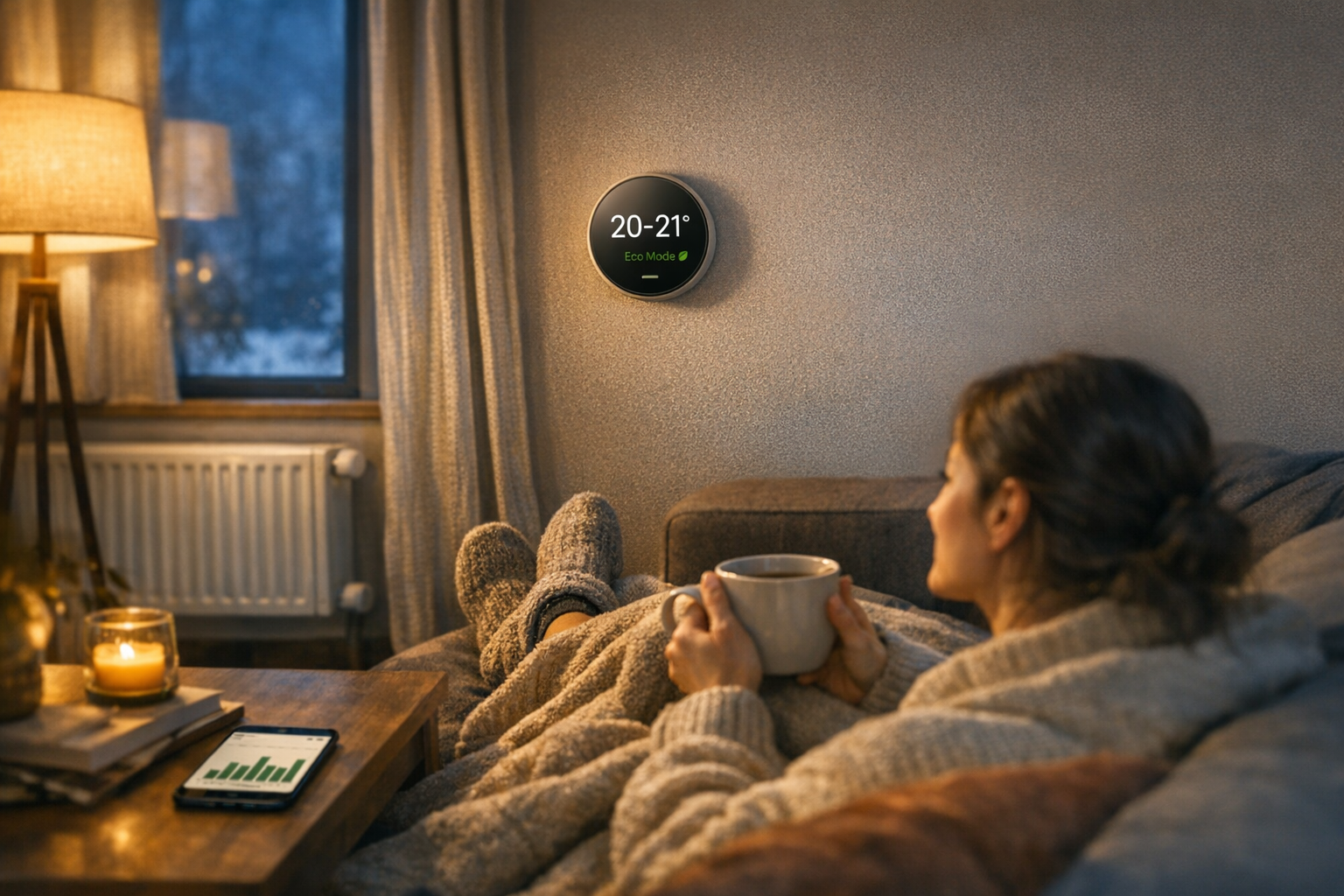
For decades, a common rule of thumb in European households held that 19 degrees Celsius (66.2°F) was the ideal indoor temperature for heating. Passed down largely through governmental recommendations and wartime energy conservation efforts, the “19-degree rule” was widely adopted as a sensible compromise between comfort and energy savings.
But times have changed. As our understanding of energy efficiency, health, and climate responsiveness has evolved, experts are calling for a more nuanced approach to home heating. In recent months, leading thermal comfort researchers, environmental specialists, and public health professionals have debunked the one-size-fits-all standard—ushering in a new era of individualized temperature guidelines.
So, if you’ve been religiously adjusting your home thermostat to hover around 19 degrees, it may be time to rethink that strategy. Instead of sticking to outdated recommendations, households are being encouraged to tailor their indoor climate based on personal, seasonal, and even architectural considerations.
This shift isn’t merely about preference—it has tangible implications on your wellbeing, monthly utility bills, and carbon footprint. Let’s dive into what experts are now recommending, who this change affects the most, and how you can adjust your home in line with the latest science-backed advice.
What changed this year
| Category | Old Recommendation | New Recommendation |
|---|---|---|
| Standard Indoor Temperature | 19°C (66.2°F) | 20–22°C (68–72°F) depending on profile |
| Target Group | General population | Customized per age/health |
| Policy Guidance | Motto-based conservation | Scientific thermal comfort modeling |
| Primary Concern | Energy savings | Wellbeing and energy balance |
Why the 19-degree rule is being phased out
The 19-degree benchmark originated in the post-war era as a way to encourage energy conservation, reduce costs, and sustain heating infrastructure. It was never intended to represent an optimum temperature for health or comfort. Over time, its simplicity earned it widespread acceptance, becoming a cultural fixture in many European countries.
However, new **scientific findings** are revealing that 19°C may not be adequate—or even safe—for specific demographics, particularly the elderly, infants, or individuals with underlying health conditions. Cold indoor environments can worsen respiratory issues, increase the risk of cardiovascular strain, and lower immunity.
More importantly, the modern era demands a more dynamic and context-sensitive approach. Energy-efficient homes now retain heat better, and smart thermostats offer finer control than ever before. The logic that guided heating habits in 1950 no longer applies neatly in today’s technology-enhanced living spaces.
“Energy conservation is still critical, but it should never come at the cost of human health. The 19-degree rule is outdated.”
— Dr. Amina Rezny, Environmental Health Researcher
What temperature experts now recommend
After extensive review, thermal comfort scientists now advise a base indoor temperature range of **20–22 degrees Celsius (68–72°F)**, with adjustments made based on lifestyle, age, and time of day. Here’s how this breaks down:
- 20°C (68°F) – Suitable for physically active adults.
- 21°C (69.8°F) – Appropriate for general indoor living without sustained activity.
- 22°C (71.6°F) – Recommended for sedentary individuals, elderly, and infants.
The upgraded guidelines also account for **zonal heating**—that is, varying the temperature from room to room. Bedrooms, for example, are still optimal at slightly cooler temperatures (around 18°C). In contrast, living spaces and bathrooms may benefit from marginally higher settings to promote thermal comfort and prevent mold.
Who qualifies and why it matters
The revised temperature guidance places special emphasis on certain groups whose bodies are more sensitive to cold. According to the latest health statistics, these audiences are particularly vulnerable in improperly heated environments:
- Older adults over 65
- Children under 5 years old
- Patients with cardiovascular or respiratory issues
- People with mobility challenges
For these individuals, even a 1-degree Celsius difference can influence comfort levels and health outcomes. The new approach aims to reduce risks of joint stiffness, nighttime chills, and seasonal illness, especially during winter months.
“A warmer, consistent indoor temperature isn’t just about comfort—it’s a medical necessity for many at-risk patients.”
— Prof. Jules Morain, Geriatric Medicine Specialist
How to transition your home to the new standard
Shifting from the 19°C guideline doesn’t have to mean higher energy bills or wasted heating. Here’s a simple action plan for aligning with the new thermal logic efficiently:
- Upgrade your thermostat: Install a programmable or smart thermostat that can adjust heat room-by-room and based on occupancy patterns.
- Zonal control: Set different temperatures based on function. Living rooms and workspaces can be warmer than bedrooms or hallways.
- Insulate thoroughly: Prevent heat loss by sealing windows, doors, and uninsulated walls. This allows for increased temperature without heavy energy draw.
- Monitor usage: Use energy meters to track consumption patterns and make real-time adjustments.
- Layered clothing: Once a default, clothing layers are still relevant. Pairing this with higher baseline temperatures can stretch comfort further without overheating.
By syncing improved heating practices with smarter home setups, families can create zones of warmth that truly reflect their needs—both for physical wellbeing and financial prudence.
Winners and losers of the new approach
| Winners | Losers |
|---|---|
| Older Adults & Young Children | High-consumption households ignoring insulation |
| Homes with Smart Heating Systems | Those using outdated radiators and manual thermostats |
| Tenants in Energy-Efficient Buildings | Renters in poorly maintained or drafty units |
What critics are saying
While the updated guidelines have been lauded by health advocates, not everyone is thrilled. Critics argue that encouraging higher indoor temperatures could raise carbon emissions and spark spikes in national energy demand, especially during cold months.
However, experts counterbalance this by advocating **targeted heating**—warming the body and primary living zones while still applying conservation tactics such as night-time setbacks and insulation.
“It’s not about heating the entire home to sauna levels. It’s about heating smarter and safer.”
— Laura Bentz, Energy Policy Analyst
Short FAQs
Is 19°C still a safe indoor temperature?
For many healthy adults, yes, but it’s considered potentially too cold for seniors, children, and those with health conditions.
What is the new ideal indoor temperature?
Experts now recommend 20–22°C based on human comfort studies and modern home insulation capabilities.
Does increasing the temperature mean higher bills?
Only if insulation and smart heating aren’t used. With efficient energy use, increases can be moderate and manageable.
Are there any exceptions to the new guideline?
Yes, highly active individuals and those in well-insulated, sun-facing homes may find 20°C sufficient even in winter.
Should bedrooms be kept at 22°C too?
No, cooler bedrooms around 18°C are still recommended for optimal sleep quality.
Why was 19°C used in the first place?
It was a wartime and postwar policy aimed at balancing comfort and fuel conservation. It was never medically optimized.
Can smart thermostats make a real difference?
Absolutely. They help manage variations in room usage, presence, and time of day to optimize temperature without waste.
How quickly can households switch to the new recommendation?
Adjustments can begin immediately, especially with programmable thermostats and insulation measures already in place.