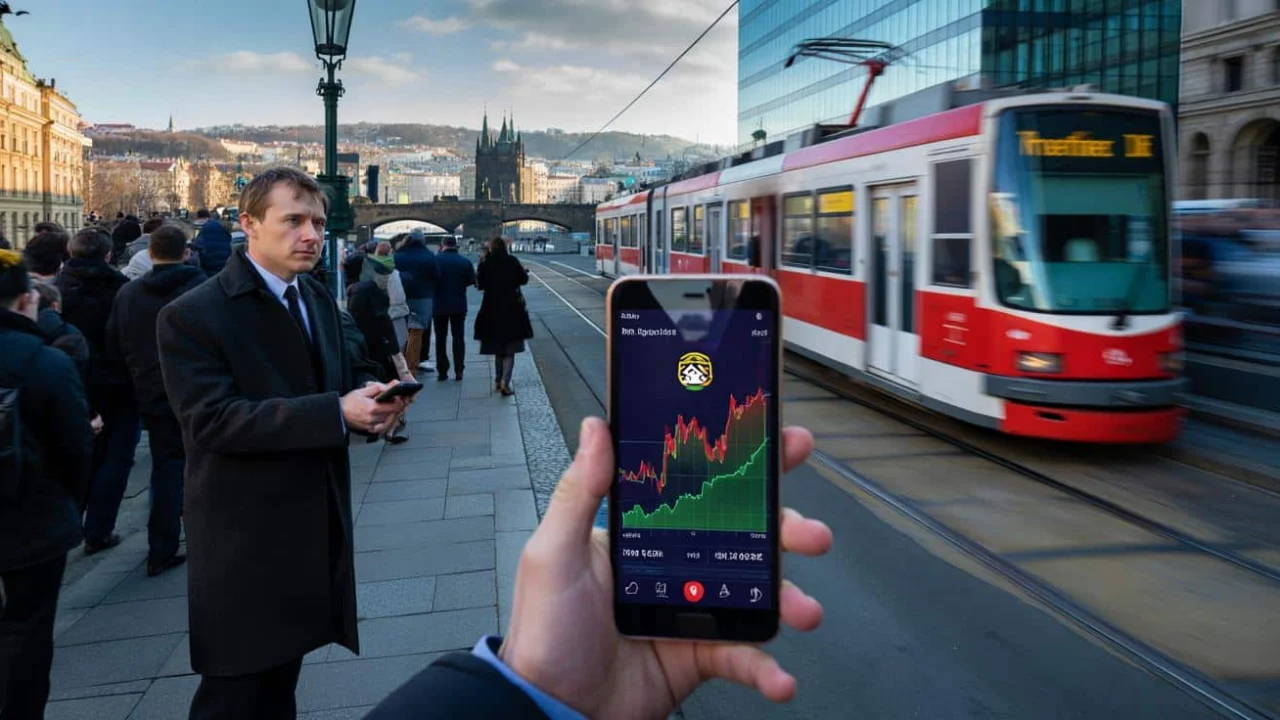
Prague’s trams carry more than commuters and routine chatter—they now transport a symbol of shifting power in European defence. Once a niche player trading surplus Soviet weaponry, the Czech-based Czechoslovak Group (CSG) is emerging as a heavyweight contender ready to redraw the map of Europe’s defence industry. As the group prepares for a landmark Initial Public Offering (IPO), it signals not only a major financial milestone but a transformational chapter for European strategic autonomy outside the traditional Franco-German axis.
At the heart of this transformation lies a remarkable narrative driven by the brutal realities of war and geopolitical change. The Russian invasion of Ukraine exposed critical vulnerabilities in European defence stockpiles and logistics. While established giants like Rheinmetall and Thales grabbed headlines, CSG moved swiftly—refurbishing tanks, ramping up ammunition production, and sealing cross-border acquisitions, including Italy’s Fiocchi Munizioni and Sellier & Bellot. This quiet ascent from an Eastern European scrap-heap dealer to a central NATO industrial player shows a profound evolution in capability, scope, and ambition.
CSG, a family-owned enterprise led by billionaire Michal Strnad, is now stepping into the public spotlight, looking to leverage the IPO not only for capital but to secure a durable leading position in Europe’s defence ecosystem. This moment transcends mere business—it underscores how Central and Eastern Europe are staking their claim in the continent’s security future. More than a finance event, it is a geopolitical signal showing that Europe’s next generation of defence might come with a Czech accent.
Overview of CSG’s Rise and IPO
| Aspect | Details |
|---|---|
| Founded | Started trading surplus Soviet military equipment |
| Headquarters | Prague, Czech Republic |
| Key Acquisitions | Fiocchi Munizioni (Italy), Sellier & Bellot (ammunition) |
| Core Products | Refurbished tanks (T-72), artillery shells, ammo production |
| IPO Aim | Raise hundreds of millions to scale-up production and R&D |
| Strategic Focus | Mid-sized agile producer filling niche between historic giants and new demand |
Why the IPO Matters for European Defence
The planned IPO is much more than a financial event: it represents a paradigm shift in the European defence industry’s structure and geographic power distribution. Historically, major defence programmes have been dominated by Franco-German duopolies, including multi-billion euro projects like the future European fighter jets and main battle tanks. For smaller NATO members in Central and Eastern Europe, this dominance meant often being left on the sidelines, forced to accept legacy equipment and delayed upgrades.
CSG now stands to change that formula. Positioned in industrial hubs with lower costs and deep experience in Soviet-era hardware still prevalent in Ukrainian forces, it occupies a unique sweet spot. The IPO will provide the capital to expand production capacity and accelerate innovation aligned with NATO standards, offering governments an alternative supply chain closer to home. This decentralization is not just an economic shift but a recalibration of trust and influence within European defence circles, promising more autonomy and faster responsiveness.
How the War in Ukraine Fueled CSG’s Growth
Russia’s full-scale invasion of Ukraine in 2022 acted as a catalyst, putting extraordinary pressure on European and NATO stockpiles. The sudden surge in demand for artillery shells, armoured vehicles, and air defense systems exposed gaps that global giants struggled to immediately fill. CSG’s legacy in refurbishing T-72 tanks—widely used by Ukrainian forces—and producing compatible munitions rapidly gained geopolitical significance.
Besides manufacturing, CSG deepened its role as a crucial intermediary connecting Eastern European industrial lines with Western demand, blending Soviet-era experience with cutting-edge Western technology. This rare capability proved invaluable when Western capitals scrambled to replenish supplies. Their ability to double or even triple shell output rapidly gave CSG a strategic edge few competitors could match.
The Challenges of Transitioning to a Public Company
Moving from a family-controlled, relationship-driven conglomerate to a publicly listed defence firm comes with significant challenges. The IPO requires CSG to open its books publicly, demonstrating consistent growth, transparency, and future strategic plans to analysts and investors. This shift means mastering financial metrics like ESG compliance, price-to-earnings ratios, and forward guidance—areas untouched when deals revolved around artisan-style negotiations and factory rescues.
The tension now facing CSG lies between the cyclical, often unpredictable nature of defence production and capital markets’ expectations for steady margins and dividends. Military clients value rapid scaling capabilities and flexibility—doubling shell production in six months, for instance—whereas investors crave predictable returns. Successfully navigating this divide is crucial for the sustainable growth of the company and its credibility with both governments and shareholders.
“If CSG can convince investors this is a long super-cycle of demand, not just a panic buying phase, then they can secure the capital to grow sustainably. The real test lies in balancing political expectations with market realities.”
— Prague-based defence analyst
What CSG’s Rise Means for Central and Eastern Europe
For smaller NATO countries in Central and Eastern Europe, CSG’s emergence is a quiet but powerful signal that their defence needs and realities matter on the continental stage. Historically overshadowed by Western giants, these nations have often struggled to modernize legacy Soviet equipment or secure niche technologies aligned with their budgets and geopolitical concerns. CSG understands these complexities—culturally, politically, and industrially.
Becoming public and strengthening its balance sheet, CSG can increasingly serve as a regional hub and strategic partner. This shifts power dynamics, enabling countries to rely less on Franco-German supply chains and more on a trusted, geographically and culturally closer player. This development promises a more diverse and resilient European defence landscape.
Ethical and Financial Complexities in Defence Investments
Investing in defence companies carries inherent ethical dilemmas, especially in today’s climate of heightened scrutiny over ESG (Environmental, Social, and Governance) factors. Defence stocks have outperformed many sectors since 2022, and some investors who once avoided arms manufacturers are reconsidering their stance amid the ongoing war. CSG, supplying artillery to Ukraine and air defence systems to NATO, positions itself as a firm contributing to “responsible defence,” arguing its products uphold peace through deterrence rather than fueling conflict.
Nevertheless, the distinction between generating profit from war and safeguarding security is delicate and often contested. As CSG courts international investors with differing moral frameworks, it will need to navigate these tensions without alienating either ethical investors or key government customers.
Potential Outcomes from the IPO and Their Implications
The forthcoming IPO will serve as a litmus test for multiple dimensions of European security and economic strategy. If successful, CSG will demonstrate that Europe’s defence industrial base is becoming more decentralized and inclusive, embracing mid-sized players from Central Europe able to compete at the highest level.
A failure or lackluster reception could reinforce the dominance of traditional Western giants, signaling a less resilient and less diversified supply chain. It may also discourage similar enterprises or governments from backing more regional champions, consolidating the old guard’s hegemony.
Ultimately, the IPO’s success will reflect how Europe envisions its defence future: whether it values agility, geographical diversity, and new partnerships or prefers to maintain the status quo.
Frequently Asked Questions about Czechoslovak Group IPO and European Defence
What is the significance of Czechoslovak Group’s IPO?
CSG’s IPO is a strategic move to raise capital for scaling production, R&D, and acquisitions, positioning the company as a central player in Europe’s defence landscape beyond traditional Western giants.
How did the war in Ukraine impact CSG’s growth?
The conflict exposed shortages in European armed forces, boosting demand for CSG’s refurbished tanks, ammunition, and its role as a bridge between Eastern production and Western buyers.
What challenges does CSG face as it goes public?
Transitioning from a private, relationship-driven company to a public corporation requires greater transparency, financial discipline, and balancing investor expectations with defence sector volatility.
Why is CSG important to Central and Eastern European NATO members?
CSG understands their legacy hardware, budget constraints, and regional sensitivities, offering a culturally and geographically accessible partner that enhances strategic autonomy within NATO.
How does CSG position itself ethically in defence manufacturing?
CSG frames its products as supporting responsible defence and deterrence, but must continuously address investor concerns about profiting from conflict while upholding security.
What could a successful IPO mean for Europe’s defence industry?
It would symbolize a decentralization of defence power, empowering mid-sized, agile companies from Central Europe to compete alongside traditional giants like Airbus and Rheinmetall.
Will CSG’s IPO attract enough investor interest?
Investor appetite depends on CSG’s ability to convince markets that defence demand is in a sustained super-cycle, not a short-term panic, balancing cyclical industry risks.
How might Franco-German companies respond to CSG’s rise?
They could either welcome a new partner strengthening European defence or perceive CSG as a competitor encroaching on their traditional dominance in big-ticket programmes.
“CSG’s IPO is not just a business event—it’s a stress test for Europe’s entire security model, showing how the continent may recalibrate power and trust in defence.”
— Senior European Defence Industry Expert