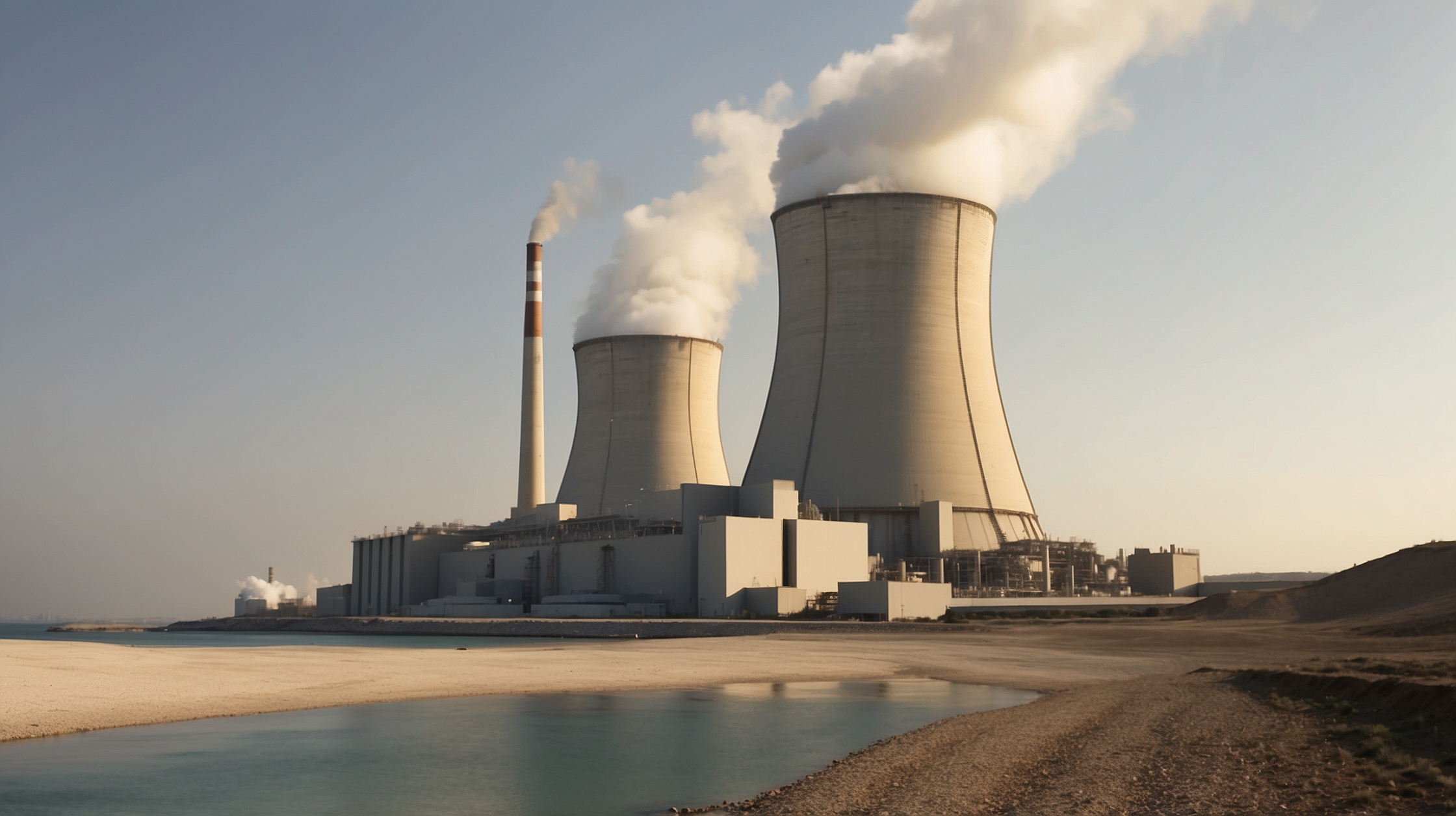
In the arid stretch of Abu Dhabi’s western desert, a quiet revolution in energy has been unfolding, one shaped with expertise from thousands of miles away. As the UAE continues its ambitious journey toward a diversified and sustainable energy future, the small Gulf nation has turned to a nuclear powerhouse with decades of experience—France’s EDF, one of the global leaders in nuclear energy. The partnership between the French nuclear conglomerate and the UAE’s Barakah Nuclear Power Plant not only marks a technological milestone in the region but also reveals a deepening of geopolitical and industrial ties between Europe and the Middle East.
Though the Gulf is no stranger to energy infrastructure, its traditional reliance on fossil fuels is being questioned in the face of climate change and fluctuating oil economics. The Barakah plant, the Middle East’s first operational commercial nuclear facility, stands as a bold testament to that shift. It symbolizes a high-stakes bet on nuclear know-how—one that the UAE is placing on a collaboration with France’s Électricité de France (EDF). But what does this move mean for energy security in the region, and why is France so involved halfway across the world?
From knowledge transfer and technical training to reactor maintenance and safety compliance, EDF’s role at Barakah is extensive and far-reaching. It is not merely a business transaction; it is a showcase of France’s capability to implement complex nuclear solutions abroad. And for the UAE, it’s an educational turning point as it seeks to build a national cadre of nuclear professionals through international partnerships.
Key facts about France’s nuclear role in Barakah
| Aspect | Details |
|---|---|
| Country operating the plant | United Arab Emirates (UAE) |
| Technology provider and consultant | Électricité de France (EDF) |
| Location | Barakah, Abu Dhabi, UAE |
| Reactor type | APR-1400 (developed by South Korea’s KEPCO) |
| EDF’s role | Operational safety, training, maintenance support |
| Number of operational reactors | 4 (all commercial) |
| Expected annual output | Up to 5.6 GW |
Why Barakah matters for the UAE’s energy future
For decades, the UAE depended almost entirely on hydrocarbons to meet its electricity demand. However, with its Vision 2050 clean energy roadmap, the nation has firmly committed to reducing its carbon footprint. The Barakah Nuclear Energy Plant is the cornerstone of that transition, aimed to meet up to 25% of national electricity needs with zero-emission energy.
This makes Barakah more than just a power plant—it is a national statement of intent. Nuclear energy suits the UAE’s long-term vision of energy security, resource diversification, and environmental responsibility. Unlike solar and wind, which are intermittent by nature, nuclear power offers a consistent and massive output, crucial for baseline supply.
“The strategic partnership with EDF provides advanced nuclear standards for the UAE. This is not only about energy—it’s about transferring decades of expertise.”
— H.E. Mohamed Al Hammadi, CEO of ENEC
France’s role: More than consultation
EDF’s involvement with Barakah is multifaceted. The company signed a major cooperation agreement with the Emirates Nuclear Energy Corporation (ENEC) that focuses on enhancing the operational excellence of the Barakah plant. More critically, it integrates EDF into the long-term maintenance programs, safety frameworks, and even future research and development projects in nuclear energy.
This is not EDF’s first overseas engagement, but the Barakah deal has symbolic and strategic value. By embedding French standards into the operations of the Middle East’s flagship nuclear venture, EDF reinforces its image as a global leader. Meanwhile, the UAE benefits from best practices acquired in a country with one of the most mature nuclear sectors in the world.
“EDF brings not just expertise, but an ecosystem of training and sustainability. That’s important in a region that’s building nuclear capability from the ground up.”
— Jean-Bernard Lévy, Former CEO, EDF
How this agreement affects the region’s nuclear ambitions
The strategic collaboration between France and the UAE has ripple effects across the Middle East. With Saudi Arabia, Egypt, and Jordan exploring nuclear plans, the operational success at Barakah could serve as a regional model. EDF’s transparent protocols, safety measures, and technical support offer a blueprint for countries with limited nuclear track records.
It also raises interesting dynamics regarding who controls future nuclear market bids in the region. While South Korea provided the reactor technology, France is cementing influence through operations and compliance, setting the tone for future partnerships.
Training the future: Building Emirati nuclear expertise
One of EDF’s deeply influential roles ties into intellectual capital development. Through its cooperation with ENEC, EDF is providing training modules, joint workshops, and educational engagement for Emirati engineers. This ensures that the UAE does not have to rely perpetually on foreign experts but can cultivate its own talent pool equipped to manage and innovate in the nuclear sector.
“Our trainings emphasize real-world scenarios, resilience under stress, and proactive safety. It’s about shaping the next generation of nuclear professionals.”
— Placeholder Quote, EDF Nuclear Training Director
Winners and losers in this strategic alliance
| Winners | Why |
|---|---|
| UAE | Secures clean, reliable energy and develops local nuclear capacity |
| France/EDF | Strengthens global presence and boosts economic opportunities in nuclear consulting |
| Gulf region | Opportunity to follow UAE’s model for clean energy transformation |
| Losers | Why |
| Traditional fossil fuel operators | Shift towards nuclear and renewables may reduce long-term demand |
| Competitor countries in nuclear partnership bids | Losing potential deals as EDF secures more Middle East influence |
What this partnership means for global nuclear energy
The Barakah-EDF project is emblematic of a larger movement to reframe nuclear power as a safe, smart, and sustainable energy solution globally. France’s deep nuclear expertise continues to be sought after as countries grapple with decarbonization goals. The partnership reflects confidence in international collaboration and underscores the role nuclear plays in climate resilience narratives.
“Partnerships like these create knowledge corridors—linking legacy skills with visionary ambition.”
— Placeholder Quote, Independent Energy Policy Analyst
Short FAQs about France’s nuclear role in Barakah
What is EDF’s exact role at the Barakah Nuclear Power Plant?
EDF provides long-term operational safety guidance, training programs for Emirati engineers, maintenance protocols, and overall support for nuclear compliance and performance.
Why did the UAE choose EDF as a partner?
EDF brings decades of experience operating one of the world’s most comprehensive nuclear fleets. Its expertise complements the UAE’s strategic focus on energy diversification and safety.
Does France supply the technology for Barakah reactors?
No, the APR-1400 reactors at Barakah were developed by South Korea’s KEPCO. France is contributing through consulting, maintenance, and training expertise.
How many reactors are currently in operation at Barakah?
All four reactors are now commercially operational, contributing up to 25% of the UAE’s electricity demand.
Is Barakah the only nuclear plant in the Middle East?
At present, it is the first and only commercially operational nuclear power plant in the Arab world, setting a precedent in the region.
How does EDF benefit from this partnership?
EDF gains strategic visibility in the Middle East, new consulting revenues, and an enhanced global reputation in nuclear solutions exportation.
Is the nuclear program aligned with UAE’s climate goals?
Yes, Barakah is designed to reduce carbon emissions and supports UAE’s Strategic Initiative for Net-Zero by 2050.
What kind of training does EDF provide to Emirati professionals?
EDF offers safety drills, reactor management modules, hands-on technical workshops, and full-spectrum operation strategies tailored to Barakah’s ecosystem.