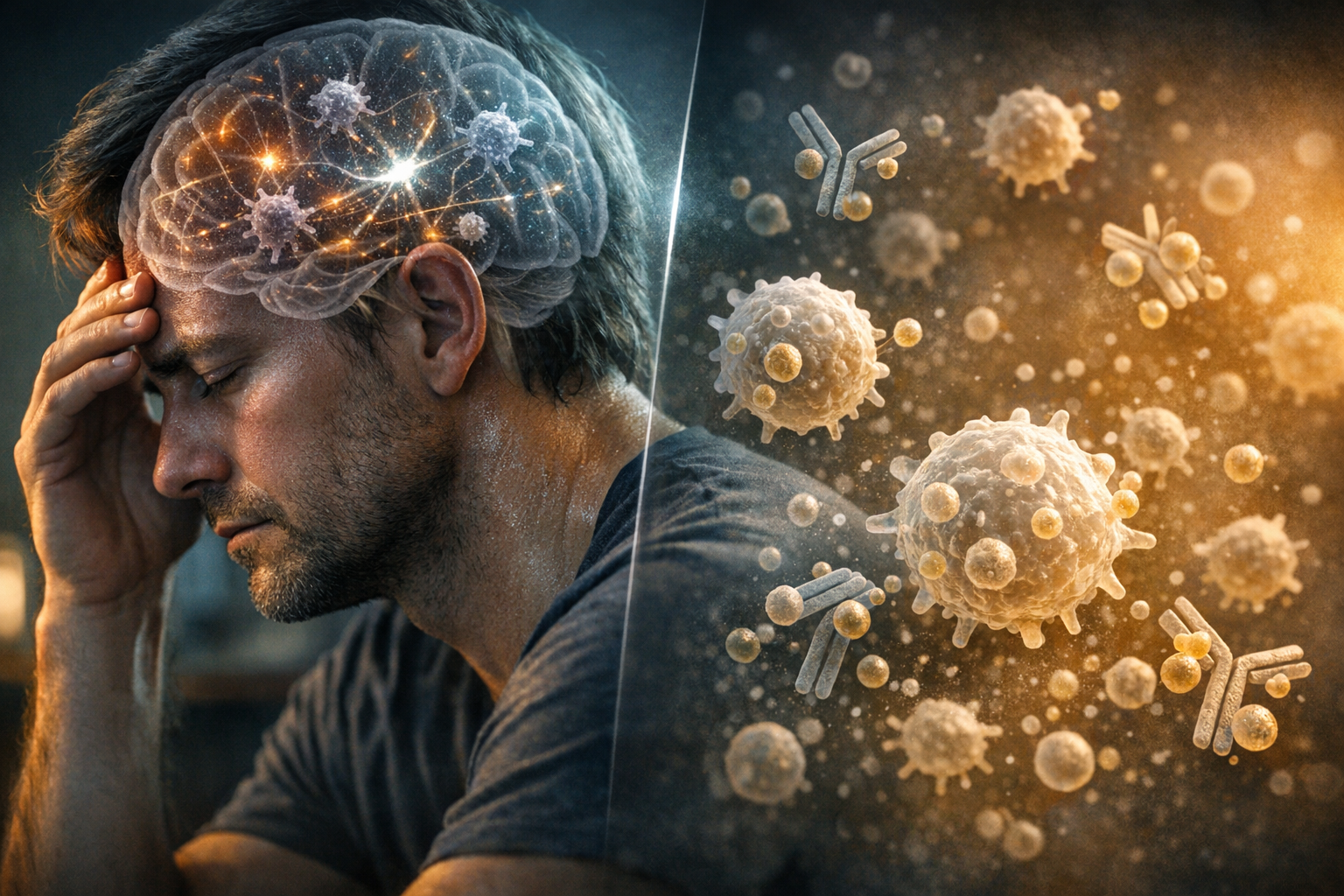
Emma had always been the picture of resilience. A high-performing executive in a bustling tech firm, she juggled long hours, relentless meetings, and global conference calls — all while raising two energetic kids. But when she started losing her appetite, waking up constantly at night, and catching every office cold, she began to realize that something deeper was at play. It wasn’t just exhaustion. Her body was breaking down in a way she couldn’t quite understand. It turned out that chronic, unmanaged stress had silently eroded her immune system and impacted her mental clarity.
Her story is far from unique. In today’s fast-paced, high-demand world, stress has become a near-constant companion for many. While short-term stress may give us motivation or keep us sharp, prolonged exposure does the opposite — it weakens immune responses, disrupts brain and immune system communication, and puts us at higher risk for illness, depression, and cognitive decline. Groundbreaking research is beginning to unravel how stress navigates its destructive path, often undermining our physical health through intricate mind-body interactions.
Understanding the biological mechanisms of how chronic stress affects our systems offers not just fascinating insight, but also a call to action. Medical experts, neuroscientists, and mental health professionals now agree: long-term stress is not just a psychological burden — it’s a full-body assault. Here’s what the latest science says, and how we can act before it’s too late.
Understanding how chronic stress impacts the body
| Aspect | Impact of Prolonged Stress |
|---|---|
| Nervous System | Overactivation of the hypothalamic-pituitary-adrenal (HPA) axis |
| Immune Response | Suppressed immunity, increased inflammation, vulnerability to illness |
| Brain Communication | Disrupts brain-immune axis; affects cognition and emotional regulation |
| Hormonal Regulation | Elevated cortisol and adrenaline over long periods |
| Mental Health | Risk of depression, anxiety, and sleep disorders |
What science reveals about the brain-immune system connection
A healthy immune system responds to threats like infections or injuries with precision and strategy. But when chronic stress enters the picture, it throws this balance into disarray. Scientists are increasingly intrigued by the role of the **brain-immune communication pathway**, often referred to as the neuroimmune axis. This intricate system—consisting of neurons, hormones, and immune signals—works in harmony to maintain equilibrium in the body.
High levels of cortisol, the “stress hormone,” over an extended period interfere with this vital dialogue. The brain, constantly signaled to remain on high alert, loses the ability to shut off its fight-or-flight mode. Meanwhile, cytokines—molecular messengers for the immune system—become dysregulated, leading to chronic inflammation through the body. Inflammation, once a helpful response, becomes harmful when persistent.
“Chronic stress doesn’t just make you feel bad—it literally rewires how your immune system works and how your brain communicates with the rest of your body.”
— Dr. Maya Lin, Neuroimmunology Researcher
Why inflammation becomes a silent saboteur
Inflammation is the body’s natural first responder. But when its presence becomes constant due to stress, it acts more like an internal saboteur. Researchers have linked chronic inflammation to a host of diseases, including **cardiovascular conditions**, **autoimmune disorders**, and **neurodegenerative diseases** like Alzheimer’s. The overstimulation of immune responses interferes with cell function and weakens defenses against new threats like viruses or bacteria.
Studies also show that chronic stress may shrink parts of the brain associated with memory and learning, such as the hippocampus. Meanwhile, inflammatory molecules can cross the blood-brain barrier, disrupting mood regulation and cognition. This connects the dots between sustained stress, depression, and long-term cognitive decline.
Who is most vulnerable to the effects of prolonged stress
While everyone experiences stress, its consequences vary greatly. Those most at risk include:
- Caregivers, such as those looking after elderly or chronically ill loved ones.
- High-stress professionals like emergency responders, executives, and healthcare workers.
- Children and adolescents exposed to ongoing family or social stress.
- People with pre-existing mental health issues.
Gender also plays a role; hormonal differences influence immune modulation and resilience. For instance, women may experience heightened immune response to stress, making them more susceptible to autoimmune conditions.
Signs your immune system is reacting to chronic stress
Because chronic stress wears down the body gradually, many miss the signs until they become severe. Key signals include:
- Frequent infections and slow healing
- Constant fatigue and disrupted sleep
- Memory issues or foggy thinking
- Increased allergies or skin irritations
- Mood swings or persistent low mood
Notably, many people attribute these symptoms to aging or unrelated illness, overlooking stress as a root cause.
Strategies to protect the brain and immune system
Fortunately, reversing or mitigating the impact of chronic stress is possible. Here are evidence-backed approaches:
Targeted lifestyle changes
Regular physical activity, particularly aerobic exercise, reduces cortisol and enhances immune cell mobility. Sleep hygiene, stress reduction techniques like **mindfulness meditation**, and structured daily routines can significantly reduce inflammatory markers.
Antioxidant and anti-inflammatory nutrition
Diets rich in omega-3 fatty acids (like salmon and walnuts), leafy greens, berries, and spices such as turmeric combat oxidative stress. Limiting sugar and ultra-processed foods can also regulate immune response.
Therapeutic support and interventions
Cognitive behavioral therapy (CBT), trauma-informed counseling, and even biofeedback therapy can recalibrate how individuals respond to stressors. In some cases, pharmacological support may be recommended.
“Healing from chronic stress isn’t just about calming the mind—it’s about recalibrating the interplay between your brain and immune system on a biological level.”
— Dr. Rajesh Patel, Integrative Psychiatrist
Hope on the horizon: what researchers are exploring
New research is delving into bioelectronic medicine—using devices to redirect nerve signals—to help regulate immune function in stress-affected individuals. Others are evaluating gut-brain axis modulation, since gut microbiota play a crucial role in immune system training and stress response regulation.
Pharmaceutical interventions targeting neuroinflammation, such as cytokine inhibitors, are also under clinical trials. These therapies could one day redefine how we treat not just stress-related disorders, but a wide range of immune dysfunctions associated with it.
Winners and losers in the modern stress landscape
| Winners | Losers |
|---|---|
| People with robust support systems | High-stress workers without coping resources |
| Those practicing mindfulness and resilience | Individuals neglecting mental health |
| Employers offering stress reduction programs | Children in high-conflict households |
Frequently asked questions about stress and immunity
Can stress really make you sick more often?
Yes. Chronic stress impairs immune cells and increases susceptibility to infections like the common cold and flu.
How does stress affect my digestion or gut health?
Chronic stress disrupts gut microbiota, slows digestion, and increases inflammation, contributing to bloating, IBS, and other gastrointestinal issues.
What are signs of a weakened immune system due to stress?
Symptoms may include frequent colds, fatigue, headaches, allergic flare-ups, and poor wound healing.
How long does it take to recover from chronic stress?
Recovery varies, but notable improvements can occur within weeks of lifestyle changes, therapy, or medical intervention.
Is it possible to reverse the brain damage caused by stress?
While some cognitive deficits may persist, neuroplasticity allows the brain to recover function through new habits and stress reduction techniques.
What is the role of cortisol in immune dysfunction?
Cortisol suppresses immune cell activity and inflames tissues when elevated for long periods.
Does exercise help reduce stress-induced inflammation?
Yes. Regular moderate exercise is shown to lower cortisol and improve white blood cell function.
Can mindfulness and meditation change immune function?
Research indicates that mindfulness can lower inflammatory markers and improve antibody response.