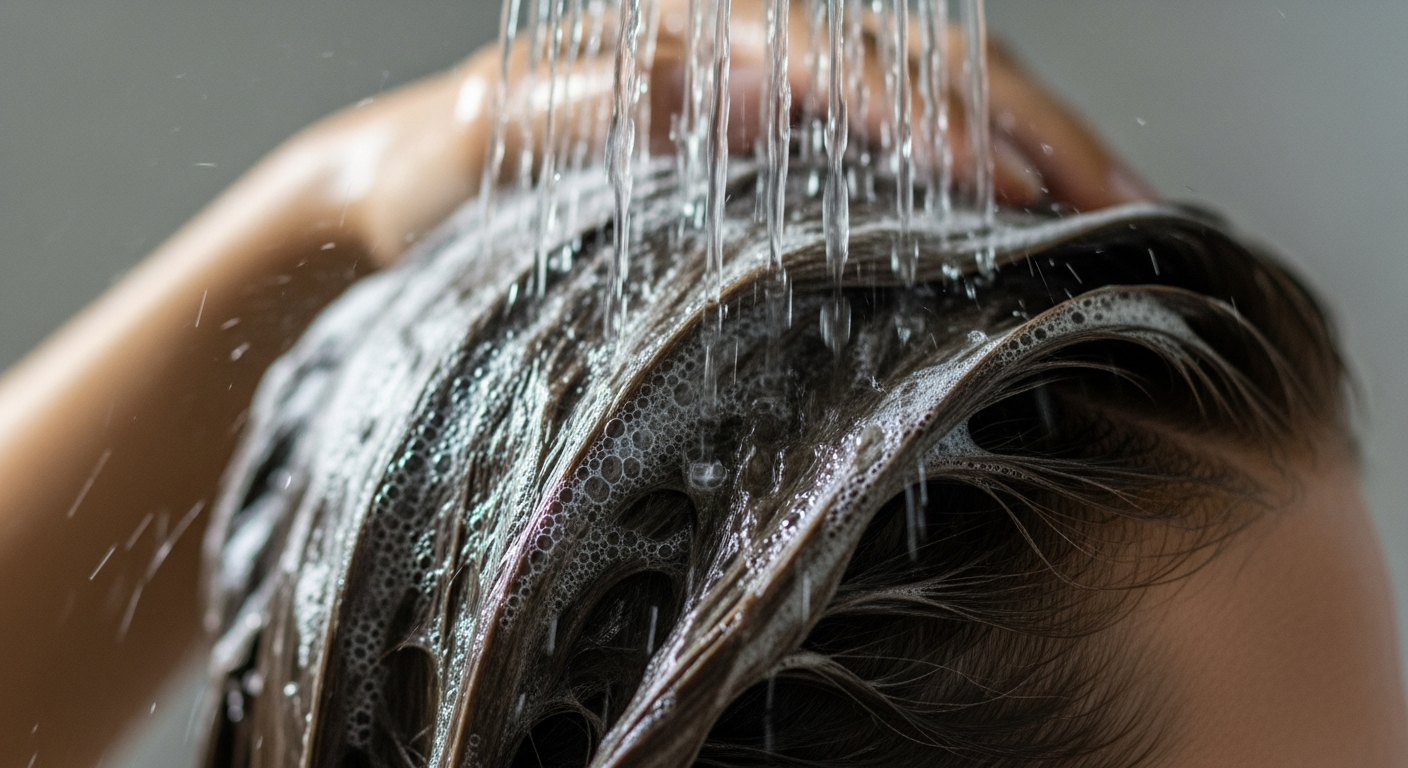
How often should you wash your hair? It’s a question many wonder about but few get consistent answers to. Despite the abundance of information and homemade remedies online, dermatologists emphasize that there’s no one-size-fits-all rule. Rather, hair washing frequency should depend on individual hair type, scalp condition, lifestyle, and even environmental exposure. But what insights can science and specialists offer that move away from myths and misinformation?
In a recent expert interview with a board-certified dermatologist, commonly held beliefs were challenged—suggesting that washing your hair only once a week or every other day may not serve everyone’s needs. Instead, the expert provided evidenced-based advice tailored to various hair and scalp conditions, clarifying what habits promote a healthy scalp and shiny strands versus what contributes to buildup, dandruff, or even hair loss.
Quick overview: How often should you wash your hair?
| Hair Type | Recommended Frequency |
|---|---|
| Oily/Greasy scalp | Every 1–2 days |
| Normal scalp | Every 2–3 days |
| Dry or Curly hair | Every 3–5 days |
| Color-treated or Damaged | Every 3–4 days |
| Highly Active Lifestyle | As needed, possibly daily |
The skin on your scalp isn’t that different
Just like the skin on your face and body, your scalp produces sebum to help protect it from dryness and environmental harm. But when sebum combines with sweat, dead skin cells, and pollution, it can clog pores and impact not just your scalp health but also hair growth. Dermatologists raise concerns that infrequent hair washing may encourage bacterial growth, worsen dandruff, or increase hair fall due to buildup.
“The scalp deserves the same level of hygiene as the rest of your skin,” noted the expert. A common misconception is that over-washing strips oils and damages hair. While this can be true with harsh products, using the proper shampoo at the right frequency ensures that your scalp remains in a neutral, healthy state without tipping into oiliness or roughness.
“It’s a myth that washing your hair less will help it grow faster. In fact, not washing frequently enough can clog follicles and hinder healthy growth.”
— Dr. Supakit Wongwiwat, Board-Certified Dermatologist
Understanding your scalp and hair type
Factors like natural oil production, hair texture, and scalp sensitivity drastically change how often a person should wash their hair. Oily scalp types may find that skipping wash days leads quickly to greasy hair and discomfort. On the other hand, those with curly or kinky textured hair often benefit from less frequent washing due to slower oil distribution from the scalp to the ends.
For people who live in hot and humid climates or exercise regularly, washing more often may be necessary. Sweat not only increases scalp irritation but also contributes to bacteria that can aggravate existing skin conditions.
Why less isn’t always more
There’s a growing movement urging people to wash less frequently in order to ‘train’ their hair. While skipping washes may seem to reduce oiliness temporarily, dermatologists argue this approach can backfire. Bacteria, fungi, and accumulated styling products can disturb the microbiome of the scalp.
Extended time between washes also amplifies the chance of irritation, itching, or flare-ups of seborrheic dermatitis—a common inflammatory skin condition. Plus, for those with lifestyles involving pollutants, dirty air, or sports, daily or near-daily washing may be not just okay but necessary.
“There’s a difference between natural oil and buildup. The scalp doesn’t benefit from hanging on to excess product or pollutants.”
— Placeholder, Trichologist
How lifestyle impacts your wash routine
Lifestyle is a huge determinant. People who live in a city environment accumulate environmental debris and smog on their hair. Athletes, fitness enthusiasts, and outdoor workers produce more sweat and may need shorter intervals between washes. The same applies to people who use a lot of styling products—without proper cleansing, residual product leaves hair feeling heavy, sticky, and dull.
Those with sedentary indoor routines may find they can space out hair washes without much issue. However, a universal tip from specialists is to avoid waiting until the scalp becomes uncomfortable—including itchy, oily, or flaky—before washing. These symptoms indicate buildup has already affected scalp health.
Is daily washing harmful?
Dermatologists advise that daily washing isn’t inherently damaging if one uses gentle, sulfate-free shampoos suited to their hair type. Problems arise when daily use includes hot water, high-alcohol-content products, or aggressive scrubbing. The goal is to find balance—a clean scalp without compromising the hair shaft’s integrity.
If your routine involves daily washing, opt for hydrating shampoos and restorative conditioners. Elements like panthenol, glycerin, and natural oils help fortify strands against moisture loss even with frequent washes.
Winners and losers of hair washing frequency
| Winners | Losers |
|---|---|
| People who tailor wash to scalp type | People who follow one-rule-for-all trends |
| Those using gentle, pH-balanced shampoos | Anyone using harsh cleansing products frequently |
| Active individuals who refresh post-workout | Those waiting for visible dirt/grease to wash |
| Balanced-washers with healthy routine | Extremists in both overwashing and underwashing |
Hair health also depends on technique
How you wash your hair can be just as important as how often you do it. Dermatologists encourage gentle scalp massages versus vigorous scrubbing. Spending a few minutes to work the lather into the scalp and rinse thoroughly ensures all residue is removed without irritation. Rushing through shampooing or not rinsing completely leaves behind residue that can weigh down hair and attract dirt faster.
Also crucial is not applying conditioner at the roots unless your scalp is extremely dry. Focus conditioner on the mid-shaft and ends. Many lightweight formulas can add shine and reduce frizz without causing buildup close to the scalp.
Special hair needs require custom schedules
Some people experience medical scalp conditions like psoriasis or eczema. For them, medicated shampoos and special routines are necessary. In other cases—such as postpartum hair loss, menopause, or chemotherapy—hair washing frequency takes a backseat to other treatments, and consulting with a dermatologist is essential.
Color-treated hair or chemically processed strands are more porous and prone to dryness. Less frequent washing with deeply nourishing products is typically recommended. Moreover, those who use hair oils or masks might wash less but must still cleanse thoroughly when they do.
It’s about consistency, not extremes
Establishing a regular habit is more valuable than following fads. Being consistent in both washing and hair care ensures that the scalp’s microbiome remains balanced, sebum production stabilizes, and the hair cuticle stays strong. It’s not about washing ‘as little as possible’, but about finding the minimal effective frequency for you.
Whether you need to wash your hair every day, every other day, or weekly should depend on your body, not a celebrity’s routine or trending advice. Dermatologists suggest noting your scalp’s condition a full 24 hours post-wash to determine how fast sebum returns or irritation arises.
Frequently asked questions
Can washing my hair every day cause hair loss?
No, frequent washing by itself does not cause hair loss. Hair fall often occurs due to build-up, stress, or medical conditions rather than just washing habits.
What shampoo should I use if I wash daily?
If you wash your hair daily, opt for gentle, sulfate-free shampoos that maintain pH balance and preserve natural oils.
Is dry shampoo a good replacement for washing?
Dry shampoo helps extend wash days but does not cleanse the scalp. It should not replace traditional washing for extended periods.
How do I know if I’m overwashing my hair?
Signs like extreme dryness, brittle ends, or irritated scalp may indicate overwashing or using harsh products. Adjust frequency and products accordingly.
Does less washing make your scalp produce less oil?
No, sebum production is hormonally regulated. Washing less does not significantly reduce oil production.
What’s the best washing routine for curly hair?
Curly hair generally benefits from washing every 3–5 days with moisturizing shampoos to avoid stripping natural oils.
Should I use conditioner every time I wash?
Yes, especially if you use shampoo. Conditioner helps restore moisture and protect hair cuticles after cleansing.
Does my diet affect my need to wash hair?
Diet indirectly affects scalp oil production. A high-fat, sugar-rich diet may make your scalp oilier, affecting how frequently you need to wash.