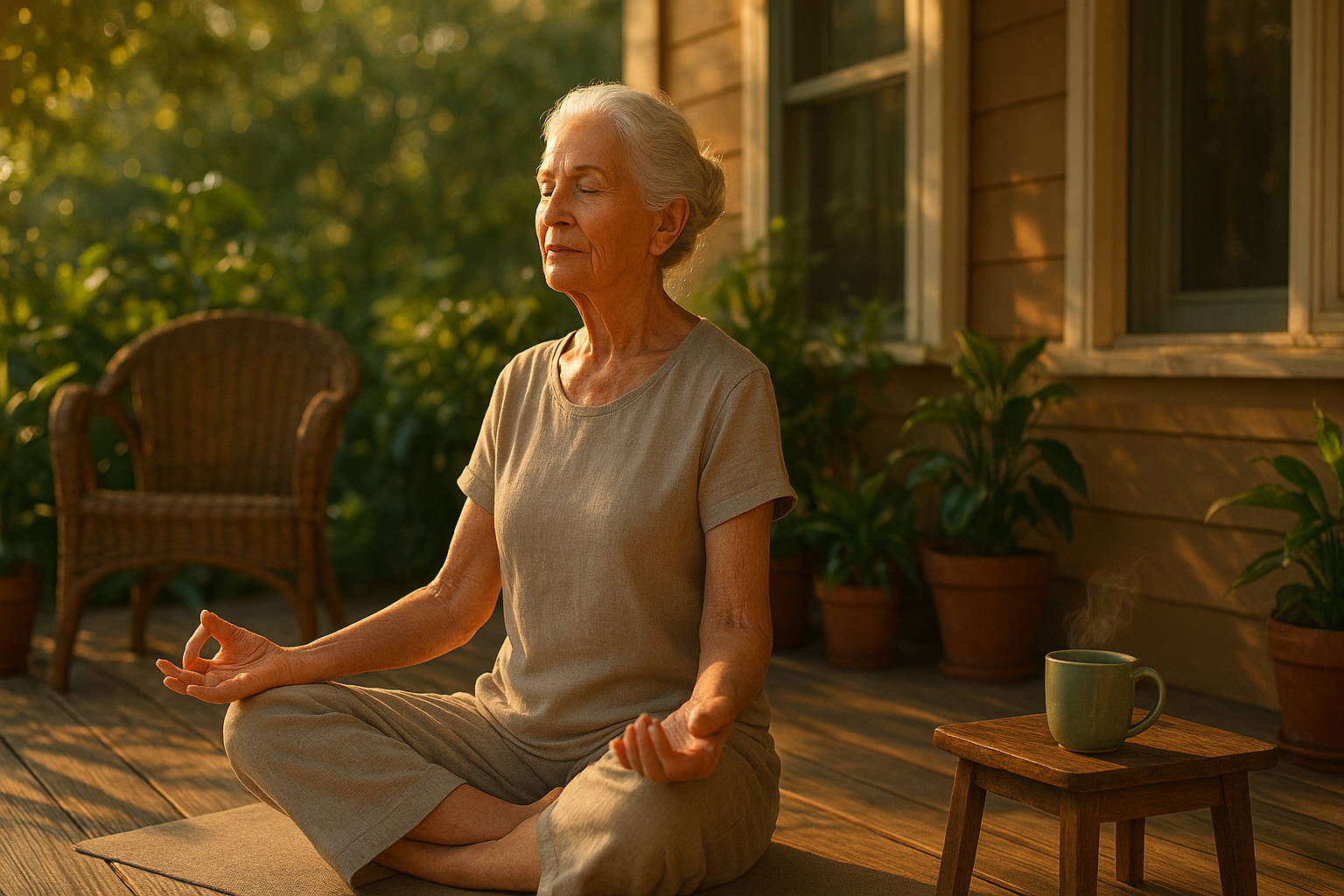
When Olive Boardman turned 100, she didn’t celebrate in a care home or surrounded by nurses. Instead, she danced. Dressed in bright colors with perfectly held posture, the centenarian stood in her living room—just as she had for nearly a century—sprightly in both mind and spirit. Her secret? Not a miracle drug or a costly wellness retreat. Rather, it’s a life steeped in purpose, modest habits, and a fierce refusal to lose independence.
Born before television became common and newspapers cost mere pennies, Olive has seen the world bend time and again. But through decades of change, she’s clung stubbornly to a routine shaped by resilience, humor, and practicality. “I refuse to end up in care,” she declares with conviction that feels sharper than many half her age. It’s not defiance—it’s discipline. And it’s a lifestyle that may just hold the clues to aging not just gracefully, but joyfully.
With growing interest in longevity across generations, Olive’s daily rituals come across not as archives from another time, but as a viable modern blueprint for well-being. As interest spikes in healthy aging and the habits of super-agers, Olive’s story offers vital insights for anyone hoping to thrive well beyond retirement age.
Olive Boardman’s longevity habits at a glance
| Aspect | Olive’s Practice |
|---|---|
| Daily Routine | Waking at 6 AM, house chores, movement |
| Diet | Three small meals—with vegetables, no junk food |
| Exercise | Daily stretching, standing, limited sitting |
| Mental Health | Staying occupied, avoiding worry, laughing often |
| Medical Routine | Avoids daily medications, sees GPs only when necessary |
| Personal Belief | “Refuse to go into care” – self-reliance is key |
Why Olive’s approach stands out in today’s world
While many in today’s society grapple with stress, screen addiction, and sedentary lifestyles, Olive’s routine reads like a timeless guidebook: simplicity, moderation, and movement. Her story cuts through today’s obsession with complex health hacks and digital biohacking trends.
She’s proud of not taking “a single pill” daily, something that sets her apart in a generation overwhelmed by pharmaceutical dependence. Olive doesn’t rely on supplements or protein powders; instead, she makes do with vegetables from her local grocery, routine clean-ups to keep her body active, and conversations that lift her spirit.
A typical day in the life of a centenarian
Olive’s sharply structured day begins at dawn. She’s up by 6 AM without fail and claims this has kept her internal clock healthy. She tidies her space, keeps moving throughout the house, and prepares her modest meals. Instead of lounging, she stands, stretches, and keeps her joints engaged, highlighting the importance of **non-exercise movement** in daily life.
Mid-afternoon may include a brief rest, but she avoids extended spells of inactivity. “You sit down too long,” she contends, “and you might not get up again.” That hard-earned belief echoes across her life choices—from diet to how she views aging. Every motion seems implicitly telling her body: “we’re still needed, we’re still active.”
The relationship between independence and mental health in later life
One standout theme from Olive’s life is the connection between **self-agency** and emotional well-being. Numerous gerontology studies affirm that seniors who remain in their own homes and stay physically and mentally active have lower risks of depression and cognitive decline.
Olive sees independence not just as a lifestyle, but as identity. “I’m not going anywhere,” she says, referencing care facilities. This mindset promotes a sense of purpose—a psychological life jacket in the tide of aging-related fear and helplessness.
“I tell myself every day, ‘You are still living. So do just that—live.’”
—Olive Boardman, 100-year-old centenarian
Eating habits that favor more than just longevity
Olive’s emphasis on **portion control** and **nutritionally dense meals** provides a sharp contrast to modern snacking culture. Her diet is simple: finely balanced, evenly spaced, and entirely free from processed snacks. Most meals revolve around staples like bread, vegetables, modest protein, and the occasional sweet treat “only when earned.”
She doesn’t count macros or calories. Yet her instinctual moderation aligns with many dietary recommendations coming from anti-aging research around caloric restriction and gut health.
Natural movement vs structured workouts
While gyms promote high-intensity sessions and overnight muscle definition, Olive relies purely on functional movement. From reaching overhead to dust shelves to bending for laundry, her philosophy revolves around staying tuned with everyday physicality.
She doesn’t even own gym equipment. Her “workout space” is her kitchen, living room, and stair rail. None of it is extraordinary—and maybe that’s the point. Studies increasingly affirm the importance of **low-intensity, high-frequency movement** as a slower form of aging gracefully.
“Why would I sit all day if my legs still work?”
—Olive Boardman, 100 years strong
How social simplicity cultivates joy
Olive’s social network isn’t bustling, but it’s meaningful. She doesn’t fear solitude but relishes warm calls from family, sharing pies with neighbors, and spontaneous moments of shared laughter. Her worldview is shaped more by connection than consumption.
Without social media or a digital calendar, her relationships are remembered by heart, not apps. It’s a model many experts point to for mental resilience: **quality**, not quantity, in genuine connections.
“She embodies what we often seek to quantify—her happiness comes from within, not from gadgets or grand plans.”
—Dr. Jamie Tolland, Behavioral Psychologist*
Winners and losers in the longevity mindset
| Winners | Losers |
|---|---|
| People embracing movement and routine | Sedentary lifestyles with excess screen time |
| Those focused on nutritious, simple meals | Dependence on ultra-processed foods |
| Individuals valuing independence | Overreliance on external caregiving |
Why Olive’s life matters in the discussion of aging
Olive is more than a medal-wearing miracle of longevity. She is proof that **empowerment aging**—aging with purpose, control, and daily intention—is not exclusive to those in privileged conditions. Hers is a story that makes the case for an affordable, accessible path to growing older.
Her model invites reinterpretation: perhaps aging isn’t decline. Perhaps it’s the fine art of refinement—distilling life down to what matters most. For Olive, that includes autonomy, movement, and laughter. So much laughter.
Frequently asked questions about Olive Boardman and aging well
What is Olive Boardman’s daily routine?
She starts her day at 6 AM, tends to her home, stretches, eats small balanced meals, and stays active throughout the day both mentally and physically.
How does Olive eat to stay healthy?
Olive eats three modest meals daily, focusing on vegetables, grains, and natural foods while avoiding processed snacks or junk food.
Does Olive take any medications?
According to her statement, Olive does not take daily medication and only visits her GP when absolutely necessary.
What is her view on care homes?
Olive is firmly against joining a care home, believing that maintaining independence is crucial to her mental and physical health.
What kind of exercise does she do?
She doesn’t engage in formal workouts but keeps moving all day through daily chores, stretching, and housework.
How important is attitude in Olive’s lifestyle?
Incredibly important. Her positivity, humor, and routine-driven mindset create a buffer against stress and aging-related decline.
Can others adopt her habits in today’s modern world?
Yes. While technology advances, the simplicity of Olive’s habits—movement, routine, and positivity—is adaptable for most lifestyles.
What is the biggest takeaway from Olive’s lifestyle?
That maintaining independence, nurturing purpose, and making small daily decisions around food, movement, and mindset can dramatically impact longevity and well-being.