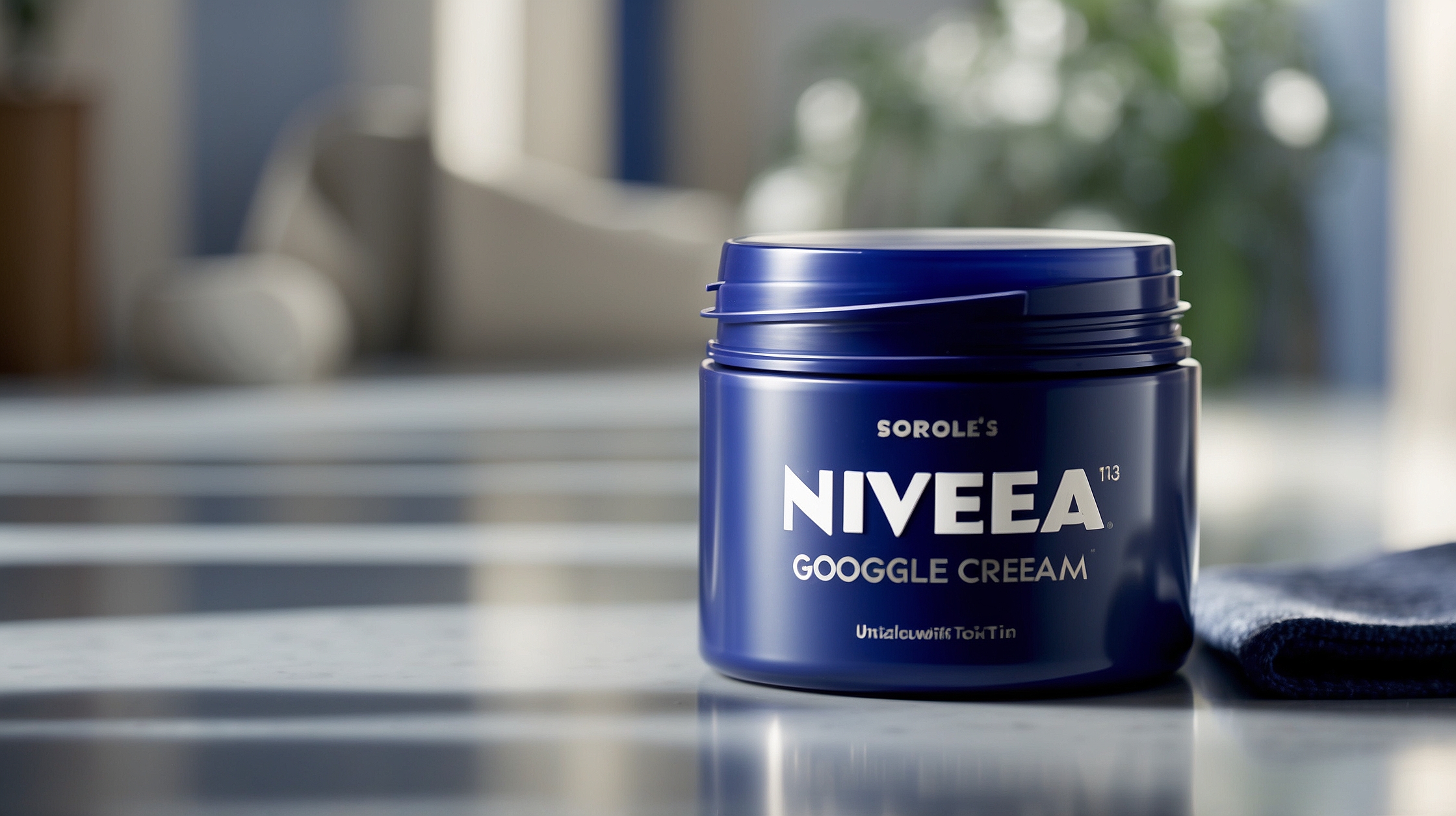
Skincare lovers are no strangers to the promise of miracle creams. Shelves are stacked with jars claiming to erase fine lines, brighten dull skin, and restore youthful glow. Amidst the multi-step routines and pricey serums lies one humble, retro blue tin everyone recognizes—the iconic Nivea Creme. For decades, it’s been a staple in households across the globe, but could it possibly rival high-end products in the beauty aisle?
Curiosity sparked when one beauty enthusiast decided to test this timeless formula in a unique way: applying it only to one half of her face for an entire week. The goal? See if decades of claims about its moisturizing and healing powers really hold up under close scrutiny. The results? Let’s just say “shocking” doesn’t even begin to describe it.
As the week unfolded, unexpected changes took place: one side of her face appeared plumper, more hydrated, and clearer than the other—prompting a closer look at this simple yet sturdy formula. Is it all about nostalgia, or is this little blue tin an underrated powerhouse hiding in plain sight?
What happened during the 7-day Nivea test
| Test Duration | 7 days |
|---|---|
| Product Used | Nivea Creme (Blue Tin) |
| Application | One half of face only |
| Main Observations | Smoother texture, improved hydration, reduced redness |
| Skin Type | Combination, sensitive |
| Potential Drawbacks | Heavy texture, not ideal for oily patches |
Why Nivea’s blue tin cream is still going strong
Debuting nearly a century ago, Nivea Creme has somehow remained a fixture in medicine cabinets and makeup bags worldwide. With its distinctive retro packaging and affordable price point, it’s earned the trust of generations. But what really keeps users coming back is its **no-frills yet effective formula**—a blend of occlusives like petrolatum and emollients such as lanolin alcohol that deeply moisturize and protect the skin barrier.
This “slather-and-go” cream forms a shield over the skin, locking in moisture and allowing dry, flaky skin to repair comfortably. Despite being thick and somewhat greasy to the touch, its hydrating capabilities rival—and in some cases, exceed—those of products five or ten times its price point.
Visible changes after daily Nivea application
By day three of this half-face experiment, subtle but clear changes began to appear. The skin treated with Nivea Creme started showing signs of **improved plumpness**, fewer visible pores, and a subtle reduction in redness around blemished areas. In contrast, the untreated half looked slightly dull and more textured.
As the week progressed, the differences became even more pronounced. The moisturized side appeared visibly healthier, especially in dry patches around the cheeks and mouth. Fine lines under the eyes seemed ever-so-slightly softened, not through any magical anti-aging ingredients, but rather through proper moisture retention and barrier support.
“Using occlusives to trap in hydration has always been fundamental skin therapy. Thick creams like Nivea provide immediate barrier protection—and in some cases, that’s all your skin needs to thrive.”
— Dr. Lisa Nguyen, Dermatologist
Who will benefit the most from using Nivea cream
Though suitable for most skin types, **Nivea Creme is best loved by those with dry, flaky, or sensitive skin**. Its creamy consistency provides instant relief to tight, itch-prone winter skin. Those undergoing treatments like retinoids or acne medications—which often cause irritation—may also find this no-nonsense cream helpful in buffering side effects.
However, those with very oily skin or an active acne breakout may want to proceed with caution. The heavy occlusive nature of Nivea Creme can potentially clog pores in acne-prone individuals. But for normal to dry skin types, especially during colder months, it’s a budget-friendly option to keep skin supple and soft.
The science behind why it works so well
Most of Nivea Creme’s success comes from **its ingredient synergy**. Petrolatum, the base ingredient, acts as a protective barrier, preventing water loss—an essential feature for healing dry skin. Lanolin alcohol helps soften the skin, and glycerin, a well-established humectant, draws in water from the environment and deeper layers.
While it lacks popular modern ingredients like hyaluronic acid or peptides, this tried-and-true texture-focused formula remains reliable. Plus, it’s **fragrance-free**, making it less likely to cause allergic reactions, a common issue in more complex skincare products.
“When it comes to rebuilding the skin barrier, simplicity can be more effective than luxury actives. Nivea’s ingredients are basic but highly functional.”
— Dr. Maria Toledo, Pharmacologist
Comparing results: skincare winners and losers
| Category | Winner | Loser |
|---|---|---|
| Hydration Retention | Nivea-treated side | Untreated side |
| Skin Texture | Nivea-treated side | Untreated side |
| Redness Reduction | Nivea-treated side | Untreated side |
| Oil Control | Untreated side | Nivea-treated side |
Simple ways to use Nivea in your skincare routine
Incorporating Nivea Creme into your skincare does not require a full overhaul. It can be used in a few strategic ways to maximize its benefits:
- As a night-time occlusive layer following lighter serums and hydrators to seal in moisture.
- On dry patches or flaking areas, especially during colder seasons or while using harsh treatments.
- As an under-eye moisturizer to soften the appearance of fine lines.
- Mixed with foundation for a dewy, hydrating glow on days when skin feels dry.
Where it may fall short
Despite its effectiveness, Nivea Creme is not immune to drawbacks. Due to its thick texture, it may not suit those who prefer light, fast-absorbing formulations. It can leave a noticeable greasy film, especially under makeup, and may take time to absorb fully.
Also, those with highly sensitive or acne-prone skin should patch-test before using widely, since its occlusive nature could potentially trap bacteria along with moisture. However, for most people, the pros strongly outweigh the cons.
Final thoughts on the classic blue tin
While the skincare industry continuously leans toward new technologies and trendier ingredients, Nivea Creme remains a quiet and **reliable performer**. As this unique half-face test reveals, sometimes the solutions we seek have been in front of us all along. Simple, accessible, and deeply effective, it’s no wonder the blue tin continues to hold its ground amid a sea of innovation.
If you’re looking for glow, protection, and simplicity all in one, don’t underestimate this timeless staple. The secret to healthier skin could be sitting in your drawer—classic, consistent, and now, officially proven to work—at least on half a face.
Frequently asked questions about Nivea Creme
Can I use Nivea Creme daily?
Yes, Nivea Creme can be used daily, especially as a night cream or on dry areas. It’s safe for regular use on most skin types.
Is Nivea Creme good for acne-prone skin?
It depends. While it’s excellent at moisturizing, its thick formula may clog pores in acne-prone individuals. A patch test is recommended.
Can I use it under makeup?
Yes, though it works best in small amounts. Apply a thin layer and allow it to fully absorb before applying foundation or primer.
Is Nivea Creme safe around the eyes?
Yes, many people use it under the eyes to hydrate and soften fine lines. Be careful to avoid direct contact with the eyes.
Does Nivea Creme lighten the skin?
No, it does not contain any bleaching or lightening agents. It may improve overall tone by reducing dryness and redness.
What skin types benefit most from Nivea Creme?
Dry, sensitive, and combination skin types typically benefit the most. Those with very oily skin may need a lighter product.
How is Nivea Creme different from other moisturizers?
Its unique petrolatum-based formula focuses on sealing moisture. Unlike water-based lotions, it stays longer on the skin’s surface.
Can I use Nivea Creme with other skincare products?
Absolutely. It layers well over serums and lighter creams as an occlusive barrier to lock in hydration.