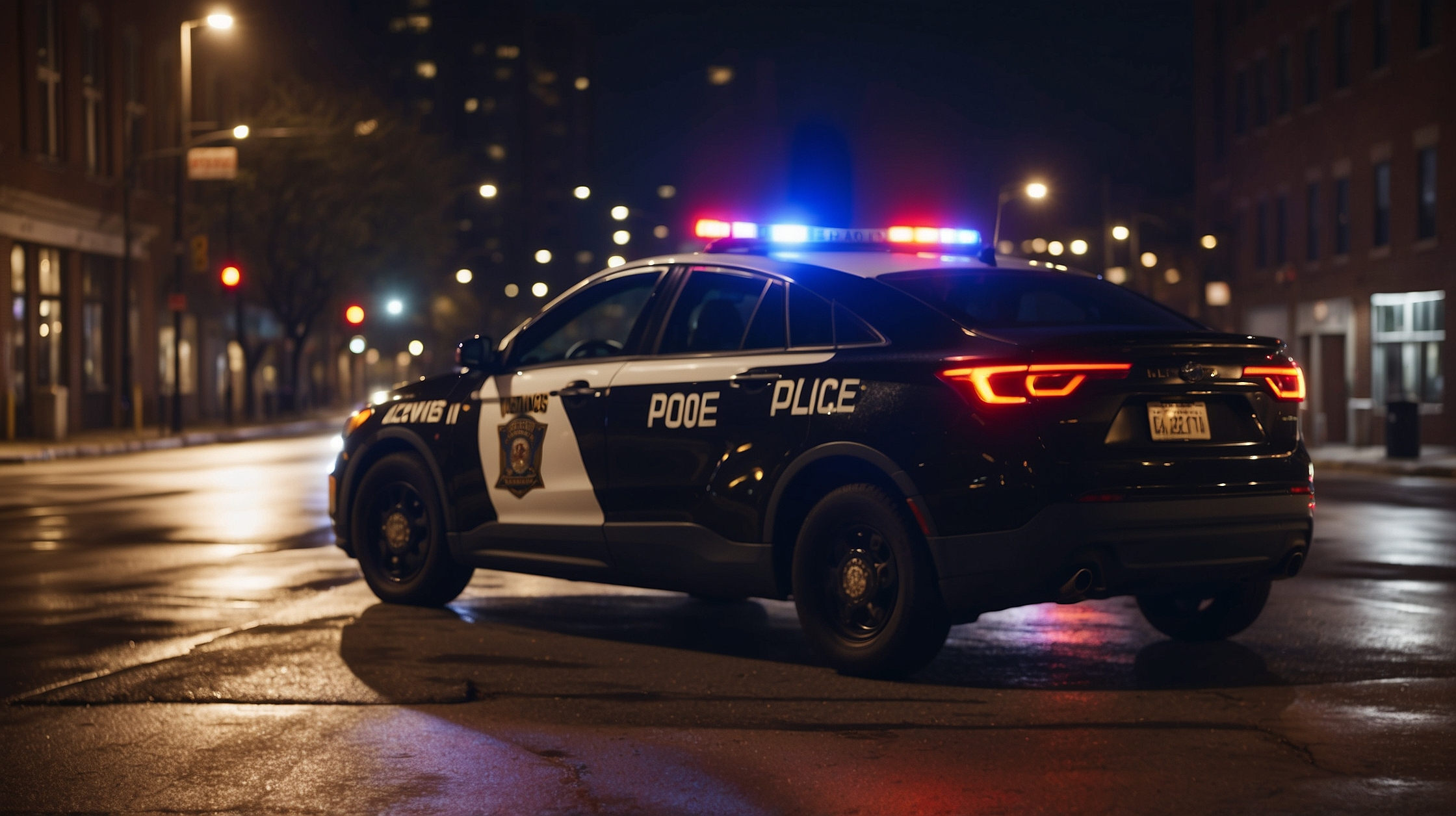
It was a sleepy night in southern Illinois, but the flashing lights told a different story. The kind of story that unfolds on dark highways, where decisions about speed limits, seat belts, and sobriety can turn into matters of life or death. Patrol cars nestled into hidden corners, their radar guns catching unsuspecting speeders, while other officers stood watch near busy intersections, prepared to pull over drivers not wearing seat belts or exhibiting signs of impaired driving. It wasn’t random. It was the result of a coordinated effort to make roads safer—and now, the results are in.
The Illinois State Police recently released findings from their extensive nighttime enforcement campaigns conducted across Marion, Fayette, and Jefferson counties. These nighttime patrols weren’t just about citing infractions—they were part of a broader initiative in partnership with the Illinois Department of Transportation (IDOT) aimed at curbing dangerous behaviors that are statistically more likely to occur after the sun goes down. The March 2024 initiative is only one in a series of campaigns launched under the Sustained Traffic Enforcement Program (STEP).
The newly released data not only showcase the number of citations issued and the types of violations detected but also provide valuable insight into how law enforcement is adapting its approach to meet safety challenges on Illinois roads. Here’s a closer look at what changed and why these nighttime patrols matter now more than ever.
Key results of the nighttime enforcement revealed
| Location of Patrols | Marion, Fayette, and Jefferson Counties |
|---|---|
| Duration of Initiative | March 11 – March 31, 2024 |
| Organizing Program | Sustained Traffic Enforcement Program (STEP) |
| Total Citations Issued | 17 |
| Main Focus Areas | Seatbelt use, speeding, distracted driving, impaired driving |
| Lead Agency | Illinois State Police |
What changed this year
The 2024 campaign marked a strategic shift, focusing exclusively on nighttime patrols. This represents a significant development in Illinois traffic enforcement strategy. Statistically, a disproportionate number of traffic fatalities occur at night, due in part to lower visibility and increased risks of impaired or distracted driving. Rather than casting a broad net statewide, this year’s initiative honed in on specific high-risk counties, unleashing targeted patrols during late-night and early-morning hours.
In previous years, similar initiatives balanced both daytime and nighttime patrols. By streamlining the effort to focus exclusively on after-dark activity, law enforcement is taking measured steps to address where and when violations are most dangerous. The prioritization of nighttime activities is not without merit: according to IDOT, close to half of all fatal car crashes in Illinois occur between 9 p.m. and 3 a.m. This data was foundational in the planning of the 2024 effort.
Why these counties were targeted
Marion, Fayette, and Jefferson counties were chosen based on a combination of traffic data, fatal crash history, and behavioral trends observed during nighttime hours. All three counties have seen a troubling increase in seat belt non-compliance and DUI-related crashes over recent years.
These counties also serve as major connectors between larger metropolitan areas and rural regions. That means more long-haul travelers and higher rates of speeding and fatigue-related incidents. By focusing on these counties, the Illinois State Police aimed to optimize the campaign’s deterrent effect and identify repeat problem areas in training and education outreach.
“It’s not just about catching people—it’s about sending a message. These nighttime patrols are designed to make people think twice before making risky decisions at the wheel.”
— Trooper Adam Reynolds, Illinois State Police
A breakdown of the citations issued
While the total number of citations issued (17) during the March initiative may seem modest, each one reflects a potentially hazardous behavior. Here’s a deeper breakdown:
- Seat belt violations: 6 citations. These remain one of the most preventable and easily rectifiable infractions.
- Speeding: 4 citations. High-speed driving remains one of the biggest contributors to fatal nighttime crashes.
- Distracted driving: 3 citations. Use of handheld devices continues to be a ubiquitous and dangerous issue.
- Driving under the influence: 2 citations. Even a small number here indicates a serious potential threat to public safety.
- Failure to yield or follow signals: 2 citations. These violations typically occur at intersections—another hotspot for late-night accidents.
Winners and those falling behind
| Winners | Losers |
|---|---|
| Seatbelt enforcement efforts – high compliance with laws reflected in lower citation numbers | Distracted drivers – multiple citations point to ongoing issues with device use |
| Public safety education – campaigns appear to have raised awareness before patrols began | Rural drivers – more violations detected in less populated highway segments |
The role of STEP in Illinois road safety
The Sustained Traffic Enforcement Program (STEP), run in partnership between the Illinois State Police and IDOT, is a cornerstone of the state’s crash prevention strategy. Its primary goal is to increase high-visibility enforcement of traffic laws, specifically during periods where violation risks are statistically higher. That includes holidays, weekends, and increasingly, nighttime hours.
Operational funding for STEP comes from both state resources and federal highway safety grants. These funds allow law enforcement agencies to increase patrol manpower during otherwise understaffed shifts, particularly late at night. In addition to enforcement, STEP contributes to public education campaigns promoting seatbelt use and sober driving.
“High-visibility enforcement has a proven track record of saving lives. When people see patrol cars, they think twice.”
— Maria Torres, Illinois Department of Transportation Safety Analyst
How local communities responded
Community response throughout the three counties was mixed, but generally supportive. Many residents acknowledged the importance of keeping roads safe, especially in areas where public transportation options are limited. Law enforcement officials also reported a noticeable decrease in risky driving behaviors during the campaign dates, suggesting that word about the patrols may have traveled quickly.
In Jefferson County, two drivers cited for DUI during the campaign had previous offenses, raising concerns about gaps in long-term deterrence. However, officers noted that the continued presence of patrols is one of the most effective ways to address repeat offenses. Public feedback was collected at town meetings following the initiative, where some residents called for even more transparency in how patrol locations are selected.
What’s next in highway safety enforcement
As summer approaches—and with it, an uptick in holiday travel—the Illinois State Police have signaled their intention to extend STEP operations with larger campaigns leading into Memorial Day and the July 4th holiday. These future actions are expected to carry forward the nighttime enforcement theme, with expanded deployment in additional counties.
In coordination with wider public safety goals, IDOT is also planning a series of public service announcements (PSAs) and social media campaigns focused on texting while driving and speed awareness. The hope is that by meeting drivers where they are—on the roads and online—the message of safety will ring louder with every passing mile.
Frequently Asked Questions
What is the STEP traffic program?
STEP stands for Sustained Traffic Enforcement Program, an initiative by Illinois officials to increase traffic law compliance through aggressive, high-visibility patrols.
Why are nighttime patrols so important?
Nighttime is statistically the most dangerous time to drive due to low visibility, fatigue, and increased rates of impaired driving. Targeting these hours helps prevent fatal crashes.
Who funds these enforcement campaigns?
STEP campaigns are funded by a mix of state and federal highway safety grants provided to law enforcement agencies like the Illinois State Police.
How are counties selected for patrol areas?
Counties are chosen based on crash data, previous offense history, and areas with high rates of risky behaviors like speeding or drunk driving.
Are these patrols only during specific times of the year?
STEP campaigns are scheduled year-round but often increase around holidays and summer travel months when road traffic is heaviest.
What happens to drivers who are cited?
Depending on the nature of the violation, drivers may receive fines, court dates, or even arrest in the case of DUI or accumulated offenses.
How can the public stay informed about future patrols?
Announcements are typically made by law enforcement and IDOT through press releases and community bulletins before major enforcement weeks.
Do these patrols actually make roads safer?
Studies and data trends show that high-visibility enforcement does lead to reduced crash rates and improved law compliance over time.