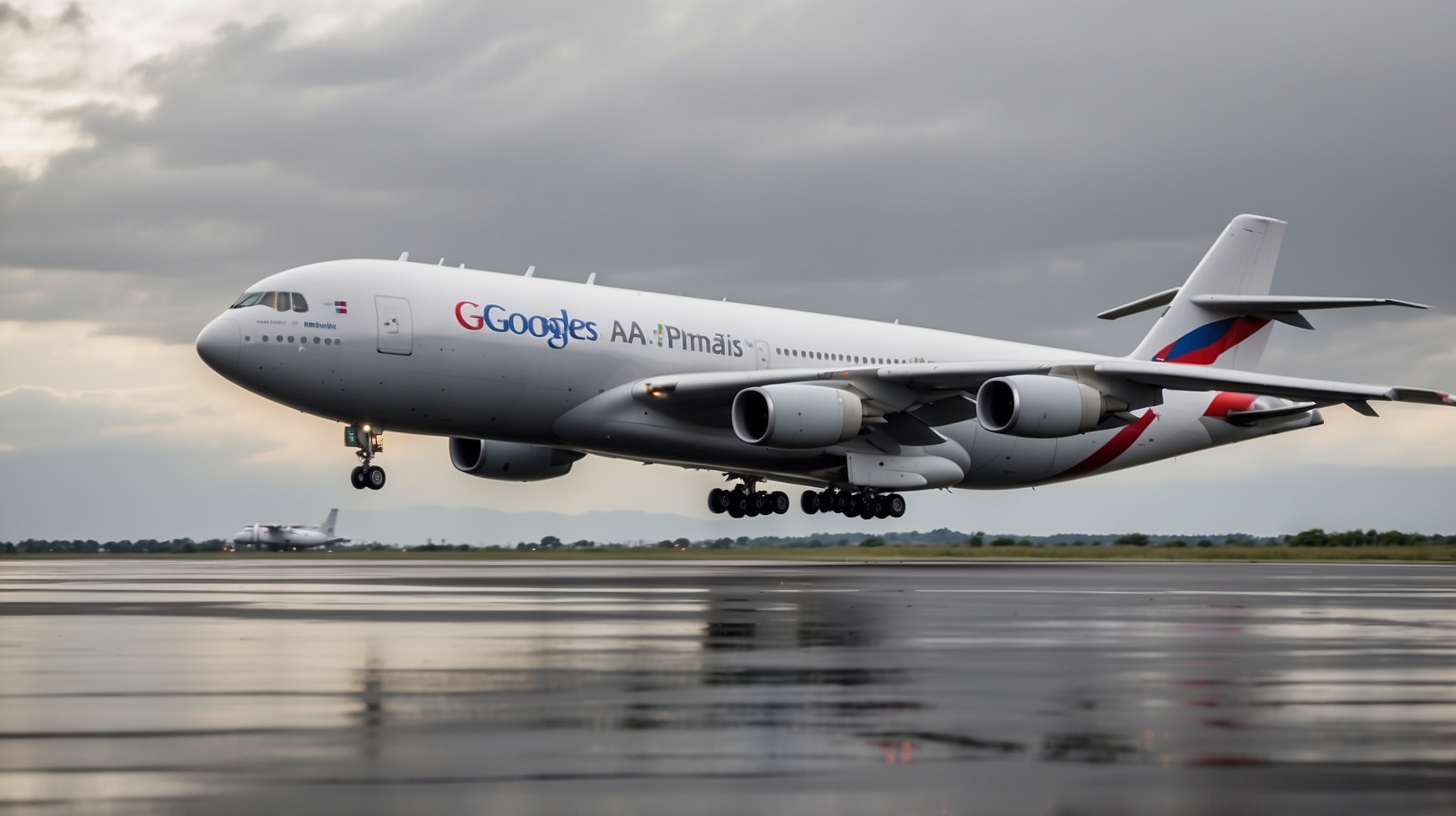
It was once seen as a cautionary tale—an over-engineered, over-budget “white elephant” that had fallen victim to its own ambition. For years, the Airbus A400M Atlas plodded through a turbulent journey marked by delays, cost overruns, and skepticism from potential buyers. Yet, in a surprise twist that may rewrite its destiny, the long-shunned military aircraft has just touched down in Southeast Asia with a thunderous comeback that few saw coming. Indonesia, a strategic archipelago with soaring defense aspirations, has not only inked a colossal deal to acquire the A400M, but it’s also poised to redefine what the aircraft really stands for: no longer just a tool for Western military might, but a globally adaptive logistics workhorse.
This landmark agreement between Indonesia and Airbus is more than a routine procurement; it’s a breakthrough moment that signals Indonesia’s growing regional influence and reflects a broader shift in global military dynamics. The deal’s timing is loaded with meaning, coming at an era when both military readiness and humanitarian capabilities are at a premium due to climate events, global instability, and an intensifying rivalry in Asia-Pacific. For Airbus, it’s vindication. For Indonesia, it’s a bet on future-forward military logistics. And for the rest of the world—it’s a wake-up call that a plane once left for dead is now taking off in new skies.
Overview of the Airbus A400M Deal with Indonesia
| Buyer | Indonesian Ministry of Defense |
| Supplier | Airbus Defence and Space |
| Aircraft Model | A400M Atlas |
| Deal Value | Estimated $2 billion+ |
| Number of Aircraft | Up to six aircraft (two currently under production) |
| Primary Uses | Military transport, disaster relief, humanitarian assistance |
| Expected Deliveries | First delivery expected by 2026 |
Why this deal marks a turning point for Airbus
Once dogged by issues ranging from budget blowouts to irreconcilable partner demands across Europe, the Airbus A400M Atlas struggled to prove its worth. Designed to bridge the gap between tactical airlifters like the C-130 Hercules and strategic giants like the C-17 Globemaster, its complex development cycle turned it into something of an industry cautionary tale. Nations hesitated. Critics pounced. Some even questioned whether the program should be shelved.
But this Indonesian deal has significantly shifted perception—and fortunes. With the signing of a Letter of Intent for up to six units, two of which are already in production, Airbus has secured what may be its most important export order yet. By engaging a non-NATO country deeply invested in both military preparedness and civilian disaster response, the A400M finds new life as a platform of versatility and range.
“This agreement validates the dual-use capability of the A400M, not just as a military tool, but as a humanitarian asset. It is proof of the aircraft’s flexibility.”
— Jean-Brice Dumont, Head of Military Aircraft, Airbus
Indonesia’s strategic motivations behind the purchase
Indonesia, with its sprawling archipelagic geography of more than 17,000 islands, faces logistical hurdles that most countries rarely encounter. This makes air mobility not just an advantage—but a necessity. Purchasing the A400M Atlas signals a strategic move tailored to Indonesia’s unique geographical challenges. Though it is framed as a military buy, the purposes extend far beyond defense.
“Indonesia needs a platform that can deliver humanitarian aid quickly during natural disasters, yet can also perform heavy military transport. The A400M fits right in”
— Air Marshal (Ret.) Daryatmo Prabowo, Indonesian Defense Analyst
Indonesia has often found itself at ground zero of devastating natural disasters—from tsunamis and earthquakes to forest fires. The A400M will enhance the country’s capability to mount fast-response missions to remote and battered areas, delivering supplies, evacuating civilians, and deploying emergency personnel.
What makes the A400M so versatile
The Airbus A400M’s capability specs are nothing short of formidable. It can carry up to 37 tonnes of cargo, fly over 8,000 kilometers with limited refueling, and land on semi-prepared airstrips—providing access to otherwise unreachable areas. Its twin abilities of tactical agility and strategic range put it in a unique category of aircraft unmatched even by American counterparts.
Other operational flexibilities that attracted Indonesian interest include air-to-air refueling capacities, quick conversion into medical evacuation (MedEvac), and parachute deployment functionalities. Simply put: one aircraft, many missions.
How the deal taps into rising Southeast Asian defense budgets
Southeast Asia is one of the fastest-growing regions in terms of defense spending. According to analysts, regional military budgets are expected to rise significantly over the next decade due to growing geopolitical uncertainties, particularly in the South China Sea.
Indonesia’s decision to invest in high-performance, multi-role platforms like the A400M indicates a more assertive defense posture. It’s about power projection, regional leadership, and securing logistical sovereignty. At the same time, Southeast Asian nations are increasingly seeking suppliers outside the traditional U.S.-Russia weapons duopoly—a space where Airbus is now stepping in confidently.
The production pipeline and training commitments
Airbus has already begun production of the first two units for Indonesia, with expected delivery timelines starting in 2026. In the interim, training and logistics support will be a crucial component of the agreement. Airbus has committed to a comprehensive support package that includes crew training, maintenance, and local capacity building.
“This is not just a sale. It’s a long-term partnership involving technology transfer and human capital development.”
— Rosan Roeslani, Indonesian Deputy Minister of State-Owned Enterprises
Winners and losers from the A400M Indonesia deal
| Winners | Losers |
|---|---|
| Airbus (revitalized program and new export credibility) | U.S. defense contractors (missed opportunity in a growing market) |
| Indonesian Air Force (modern multi-role capability) | A400M skeptics (reputation turnaround undermines past criticisms) |
| Civil defense and humanitarian agencies (gain valuable support asset) | Older Indonesian transport fleets (likely to be phased out) |
What this means for the future of the A400M program
Indonesia’s embrace of the A400M provides a persuasive case study for other nations with similar geophysical and logistical challenges. It offers Airbus a new marketing narrative—one that hasn’t existed in the NATO-centric context of the aircraft until now. Tsunami-prone nations, conflict-affected regions, and countries facing serious infrastructure constraints may now see the A400M as more than a niche military asset.
Looking ahead to regional influence and innovation
Beyond operating a new class of air transport, Indonesia’s deal offers downstream benefits in workforce training, aviation infrastructure, and global visibility. The partnership could pave the way for local industry participation in MRO (Maintenance, Repair, Overhaul) services, 3D manufacturing of components, and even possible co-development ventures in the long run.
“Indonesia is no longer just an arms buyer; it’s becoming an innovation partner and a regional leader.”
— Prof. Andika Wahyu, International Security Scholar
Frequently Asked Questions (FAQs)
What is the Airbus A400M Atlas?
The Airbus A400M is a military transport aircraft developed by Airbus. It fills the capability gap between tactical airlifters and strategic cargo planes. It’s known for its versatility, including cargo transport, aerial refueling, and humanitarian relief missions.
How many A400Ms will Indonesia be acquiring?
Indonesia has signed a Letter of Intent to acquire up to six A400M aircraft, with two units already being produced under a firm order.
Why did Indonesia choose the A400M over other aircraft?
Indonesia selected the A400M due to its multi-role capability, large payload capacity, and suitability for logistics in a challenging archipelagic environment. It also supports local disaster response and humanitarian missions.
When will the first A400M be delivered to Indonesia?
The first A400M is expected to be delivered in 2026, with full operation planned to follow soon after completion of training programs and infrastructure readiness.
Can the A400M be used for civilian missions?
Yes, the aircraft is highly suited for dual-use missions including disaster relief, medical evacuation, and humanitarian supply drops in hard-to-reach areas.
Who are the main users of the A400M globally?
The A400M is currently operated by several European nations including Germany, France, Spain, and the UK. Indonesia is set to become its first user in Southeast Asia.
How does this deal impact Southeast Asia’s defense dynamics?
Indonesia’s acquisition enhances its regional mobility and power projection, potentially encouraging other ASEAN nations to modernize their logistics and defense airlift capacities.
What are the economic benefits for Indonesia from this deal?
Economic benefits include technology transfer, improved disaster response, enhanced logistics infrastructure, and development of local aerospace talents and jobs.