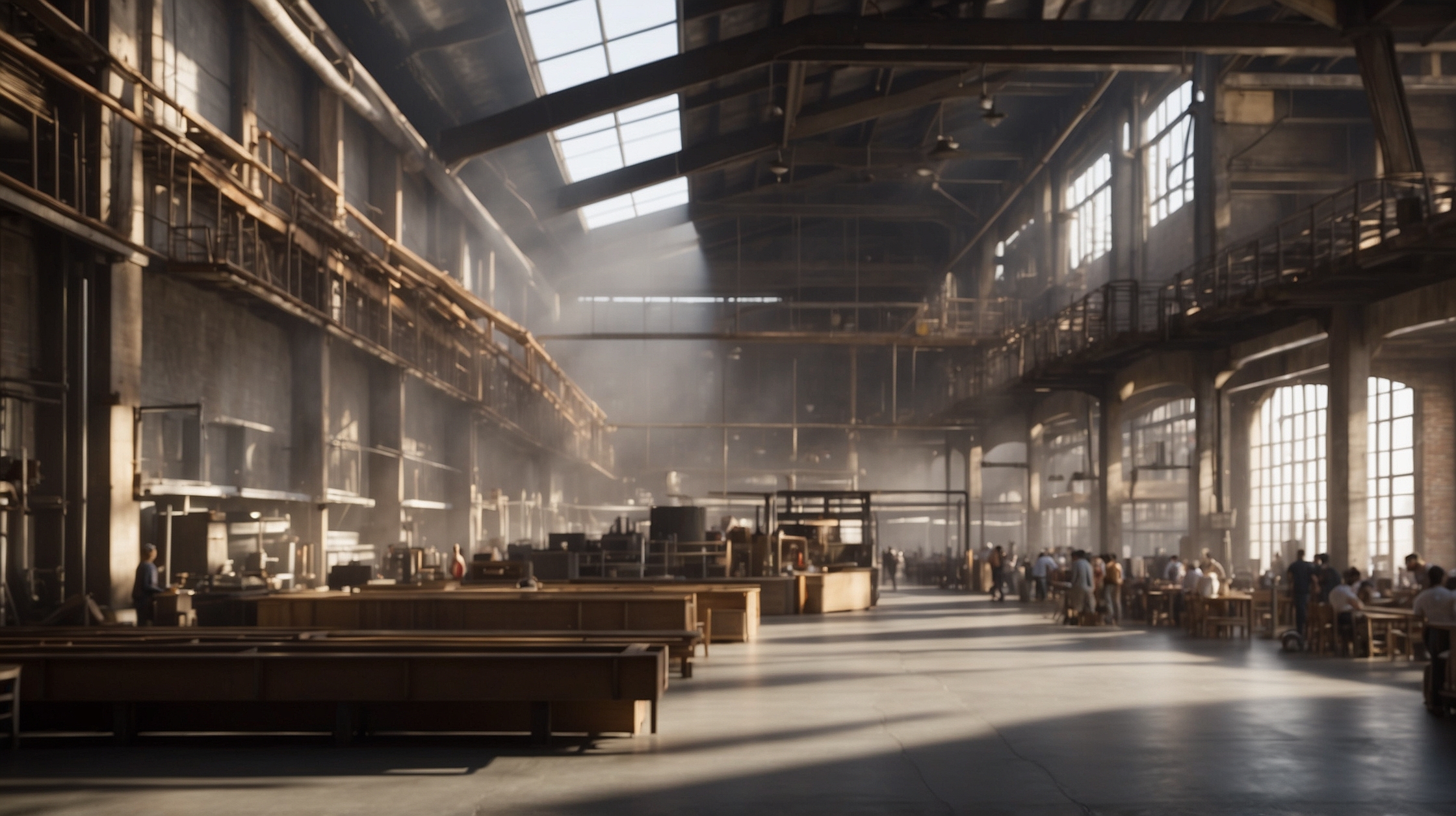
Imagine a city rising from the open valleys of Northern California — not a sprawl of concrete but a blueprint for the future. Born from the dreams of Silicon Valley titans, it promises sustainability, innovation, and a fresh start for 400,000 residents. Backed by a collective vision of billionaires and built from scratch, this next-gen metropolis intends to blend green living with cutting-edge infrastructure, challenging what we believe a city can be.
Nestled between Sacramento and San Francisco, this ambitious plan sheds the trappings of existing urban centers marred by congestion, aging infrastructure, and skyrocketing living costs. It’s a bold departure from fix-it solutions — it starts from nothing. And that’s precisely what excites the venture capital elite and tech founders pouring their wealth and expertise into a dream codenamed “California Forever.”
But can ambition create utopia? Or will environmental hurdles, political resistance, and community voices reshape this new city before ground is ever broken? Here’s what we know — and why the whole country is watching.
Key details of the proposed California Forever project
| Project Name | California Forever |
|---|---|
| Location | Solano County, California |
| Estimated Population | 400,000 |
| Main Backers | Tech billionaires including Reid Hoffman, Marc Andreessen, Patrick and John Collison |
| Total Land Acquired | Over 60,000 acres |
| Initial Investment | Over $800 million |
| Concept Focus | Walkability, affordable housing, sustainability |
The vision behind building a city from scratch
California Forever is not just another housing development or entrepreneurial park — it’s an urban experiment. The company leading the initiative, Flannery Associates, has quietly acquired more than 60,000 acres of farmland over the past five years, mostly in Solano County. Their goal? To overcome the failures of modern city governance by building a clean-slate city tailored to 21st century challenges and lifestyles.
The city plan emphasizes walkable neighborhoods, transit-oriented design, renewable energy, and dedicated resources for social mobility. Inspired by European principles of sustainable living and planning, homes would be built around public plazas and parks, business zones would promote innovation, and schools would be integrated with workspaces and daycare facilities. Real estate and technology would no longer operate in silos — they would be purpose-aligned.
“We must reimagine American cities. California Forever is about giving residents the opportunity to live affordably, securely, and with hope.”
— Jan Sramek, CEO of Flannery Associates
Challenges facing the new city’s development
Despite the glittering promise of innovation, California Forever faces serious roadblocks. Chief among them are local community pushback, environmental restrictions, and infrastructure dependency on surrounding jurisdictions. Solano County supervisors have already raised concern about land use, water resources, and regional transportation impacts.
Solano also neighbors Travis Air Force Base — a critical piece of national security infrastructure. Early acquisitions of land near the base triggered investigations over potential security threats, later revealed to be a buildup quietly orchestrated by Flannery Associates. The initial secrecy resulted in widespread distrust from local officials and residents.
There are also California’s comprehensive zoning and environmental regulations to consider. Starting a city on land zoned for agriculture isn’t just a political challenge — it’s a multi-year legal battle. California Forever aims to place a ballot initiative for voter approval in November 2024, shifting land use rights via direct democracy.
Who’s behind the financial engine of California Forever
The substantial war chest bankrolling the development makes California Forever one of the most well-funded new city proposals in history. Key names include LinkedIn co-founder Reid Hoffman, venture capitalist Marc Andreessen, Stripe co-founders Patrick and John Collison, and Laurene Powell Jobs through her Emerson Collective. The project is reportedly backed by more than $800 million in private capital.
These investors aren’t just silent partners. Each brings strategic insights from transportation, digital infrastructure, artificial intelligence, community building, and education. Their involvement has stirred excitement and skepticism alike — can Silicon Valley visionaries build better cities, or will they repeat tech’s pattern of disruption without accountability?
“Bold ideas can only succeed with community acceptance and a sincere effort to partner with the public.”
— Urban policy expert (placeholder quote)
How the project compares to Silicon Valley and other mega-developments
Unlike Silicon Valley, which evolved organically over decades, California Forever is intentional, designed from scratch, and aims to correct the urban mishaps of California’s coastal cities. Here, walkability isn’t an afterthought; it’s a core principle. Housing affordability isn’t left to market whims; it’s mandated through inclusionary zoning principles and mixed-income design.
The founders envision a city that mirrors success cases like Tesla’s Gigafactory approach (centralized innovation combined with living spaces) and European capital walkability. Roads will prioritize bikes and pedestrians, solar panels will cover rooftops, and public transit will be woven into planning from day one.
There’s also an emphasis on education and civic engagement. Community colleges, workforce training centers, and public arts programs will be rolled out alongside housing, helping foster not just economics but cultural growth.
What makes Solano County the chosen location
Among California counties, Solano offers rare advantages: flat landscapes, existing but underutilized agricultural infrastructure, and proximity to economic powerhouses (San Francisco, Oakland, Sacramento). Yet its living costs are lower, and undeveloped land remains accessible.
Buying contiguous parcels allowed Flannery Associates to control land policy at scale. The region’s favorable climate, moderate earthquake risk, and relaxed commercial development policies made it an appealing launchpad for the next great American city.
Winners and losers in the city proposal
| Group | Impact |
|---|---|
| Tech industry | Gain a new urban testing ground and real estate opportunity |
| Local residents | Split between new job growth and fears over displacement & land use |
| Developers | Massive gains if city zoning changes are approved |
| Environmental groups | Concerned over habitat loss and water usage |
| Military infrastructure advocates | Worried about proximity to Travis AFB affecting national security |
What comes next for California Forever
The next crucial milestone is a ballot initiative expected in November 2024, where voters could approve or block zoning adjustments necessary for the city’s launch. Meanwhile, outreach campaigns have intensified across Solano County, with town halls and door-to-door visits aiming to build public support.
Environmental impact studies, water resource plans, and infrastructure blueprints are under review. Partnering with state agencies and regional utilities will be essential to building roads, water lines, and transit connections — turning empty farmland into a thriving ecosystem.
For now, California Forever remains an ambitious blueprint. But come next year, it may lay the foundation for a new era of urban living — with ripple effects across the nation.
Frequently Asked Questions
What is California Forever?
California Forever is a proposed new city project in Solano County, California, led by a group of tech investors aiming to build a sustainable, walkable city for up to 400,000 residents.
Who is funding California Forever?
Key backers include Reid Hoffman, Marc Andreessen, the Collison brothers (founders of Stripe), and Laurene Powell Jobs. In total, over $800 million has been raised.
Is the city being built yet?
No, the project is still in the planning phase. A voter referendum in late 2024 will determine if the necessary zoning changes can proceed.
Where will California Forever be located?
The city is planned within Solano County, in the region between San Francisco and Sacramento.
Will it affect Travis Air Force Base?
Potentially. Some of the land purchased lies near the base, raising concerns that are currently being addressed by local and federal agencies.
What makes this city different from others?
It is intentionally designed from scratch with a focus on sustainability, walkability, affordability, and integrated digital infrastructure.
How can locals give their input?
Town halls, public comment periods, and the 2024 ballot initiative all provide opportunities for resident engagement and feedback.
When will construction begin?
If zoning changes are approved by voters, initial infrastructure development could start as early as 2025.