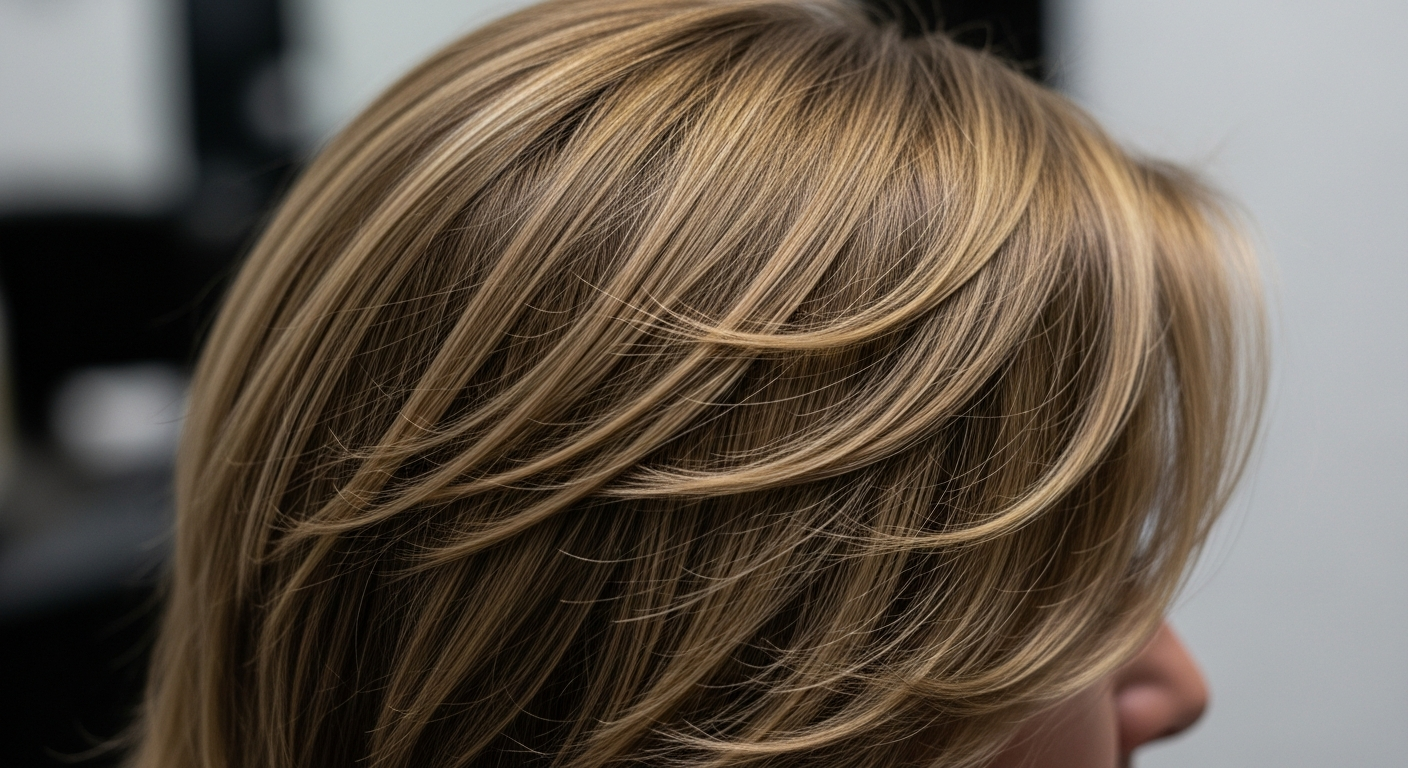
For countless individuals with fine or thinning hair, the struggle to achieve volume without compromising on length feels like a balancing act that rarely tilts in their favor. Yet among hairstylists and beauty insiders, a once-under-the-radar hair cutting technique is rapidly earning acclaim as the holy grail for this exact dilemma. It’s called the “Invisible Layers” technique—and according to professional stylists, it could be the elegant solution to volume woes for those with fine locks.
Unlike traditional layering methods that can sometimes leave hair feeling sparse, thin, or overly textured, the Invisible Layers technique is all about creating internal dimension without removing density or disturbing the natural pattern of the hair. It’s a precision-based approach that is as deceptively nuanced as it sounds—subtle snips are made within the hair to add bounce and shape—but without creating visible steps or choppy layers.
For clients, this means they can finally enjoy the lift and movement that volume brings while still keeping their hair long, sleek, and decidedly un-chopped. For stylists, it’s become an artform of sorts—the kind of technique that requires mastery but offers transformative results. If you’ve been on the hunt for a cut that accentuates the beauty of your fine hair without sacrificing length, read on to learn why Invisible Layers might be your next game changer.
What you need to know about Invisible Layers
| Technique | Invisible Layers |
| Best For | Fine, limp, or flat hair |
| Main Benefit | Adds volume and movement without removing length |
| Styling Impact | Natural bounce, body, and improved shape |
| Maintenance Level | Low to moderate |
| Stylist Expertise Needed | Advanced – requires precision and knowledge of hair behavior |
Why traditional layers often fall short for fine hair
Layering has long been a go-to technique for achieving style, shape, and volume. But not all layers serve the same purpose or deliver the same results—especially on fine hair. Traditional layers, when applied to finer textures, often remove too much bulk near the ends. This can leave hair appearing thinner than it really is, with overly defined tiers that break the natural flow and fullness of a hairstyle.
For people with naturally fine strands, this can result in hair that feels limp at best—and stringy or choppy at worst. What clients truly need is more fullness at the roots and mid-lengths, while preserving the appearance of lushness at the ends. That’s where Invisible Layers step in.
How the Invisible Layers technique actually works
Unlike surface-level layering, the Invisible Layers cutting method is designed to create a sense of interior scaffolding within the hair. Stylists identify strategic sections of hair—often in the underlayers or mid-sections—and make carefully spaced cuts to craft pockets of volume. These are not readily visible on the surface, hence the term “invisible.”
Think of it like hidden support beams in architecture: they’re not seen, but they add shape, dimension, and lasting strength. The outer silhouette of the haircut remains untouched or subtly polished, giving the illusion of length and fullness—without any obvious disruption.
Some stylists may use point-cutting or slide-cutting techniques within the layers, depending on a client’s texture and goals. The key is subtlety and precision, and most importantly, an understanding that fine hair doesn’t forgive heavy-handedness.
“With invisible layers, you’re not removing lots of weight from the ends like traditional cuts. Instead, you’re encouraging the hair to spring up from within.”
— Jamie Cruz, Master Stylist
Who benefits the most from this style
The Invisible Layers technique is especially popular among those with straight to wavy fine hair—textures that typically struggle with creating natural lift. It’s ideal for clients who want a more voluminous style but are hesitant to lose the length they’ve worked hard to grow.
Older adults experiencing age-related thinning may also find this technique revitalizes their silhouette, making hair appear thicker and more youthful. However, it’s not exclusive: even those with medium to thick textures can reap benefits if their goal is a softly diffused shape with airy bounce.
Customizing the approach for each hair type
No two heads of hair are the same—and Invisible Layers embrace that individuality. Experienced stylists will often tailor the placement and depth of invisible layers based on the client’s:
- Hair density
- Natural wave pattern
- Face shape
- Length goals
For example, someone with a rounder face and shoulder-length hair may benefit from internal layers that begin slightly higher to elongate the face. On the other hand, someone with very long and flat hair may need lower, deeper internal layering to give the bottom half of the hair lift and motion.
“The best invisible layer cuts are personalized—it’s not a one-size-fits-all. You have to analyze the hair’s behavior and respect its natural movement.”
— Laurel DeMarco, Hair Educator and Salon Owner
Styling tips to enhance the effect
The beauty of invisible layering is that it enhances even a minimal styling routine. That said, if you’re aiming to get the maximum bounce from your new cut, consider these simple techniques:
- Use volumizing mousse on damp roots before blow-drying
- Blow-dry with a round brush to lift sections from the root
- Apply texture spray mid-shaft to ends for definition
- Air-drying in braids can subtly emphasize movement
Regular trims every 8–12 weeks will help maintain the integrity of the cut, keeping volume consistent and preventing split ends from weighing hair down.
Winners and situations where it may not work
| Winners | May Not Benefit |
|---|---|
| Fine-haired individuals craving volume | Curlier hair types needing structural layers |
| Clients who want to keep their length | People seeking dramatic visible layering |
| Anyone with long, flat hair lacking movement | Ultra-short hair lengths (not enough internal canvas) |
Why stylists are loving this technique
Invisible Layers give hair professionals a way to work magic—one that feels more like sculpting than cutting. The technique isn’t about making drastic changes or obvious transformations; it’s about finesse and customization. That’s part of what makes it such a favorite among top-tier stylists who pride themselves on crafting wearable, low-maintenance beauty for real clients.
“It’s almost like lacing volume into the hair, rather than building from the outside. Clients love the way their hair moves, even on air-dry days.”
— Erica Voss, Senior Creative Director
Frequently asked questions about Invisible Layers
What makes invisible layers different from traditional layers?
Invisible Layers are strategically placed internal cuts that don’t show obvious steps or disruptions, whereas traditional layers are more surface-level and visible. The goal is subtle volume, not dramatic shaping.
Does this technique work on curly hair?
While it’s primarily recommended for fine or straight to wavy hair, an adapted version may be applicable for loose curls—but generally, curly textures benefit more from visible, structured layers.
Can I get invisible layers if I have shoulder-length hair?
Yes, Invisible Layers work well on mid-length hair and longer. Shoulder-length is often a sweet spot for beginning volume strategically without losing form.
Do invisible layers require more styling every day?
No. In fact, most clients find their hair is easier to style with more bounce and less effort thanks to the internal lift built into the cut.
How often should I get a trim to maintain the look?
Every 8–12 weeks is ideal. This ensures the internal structure remains supportive without becoming shapeless or grown-out.
Will my hair look thinner with invisible layers?
Not at all. When done properly, this technique creates the illusion of enhanced volume, making your hair appear fuller rather than thinner.
Can invisible layers be done on dyed or heat-damaged hair?
Yes, though your stylist should assess the integrity of your hair. The technique is gentle, but precise scissors and technique are crucial for vulnerable strands.
Do I need to go to a specialist stylist?
It’s strongly recommended to see a stylist experienced in invisible cutting techniques. Depending on your hair, it may take an advanced eye to do it right.