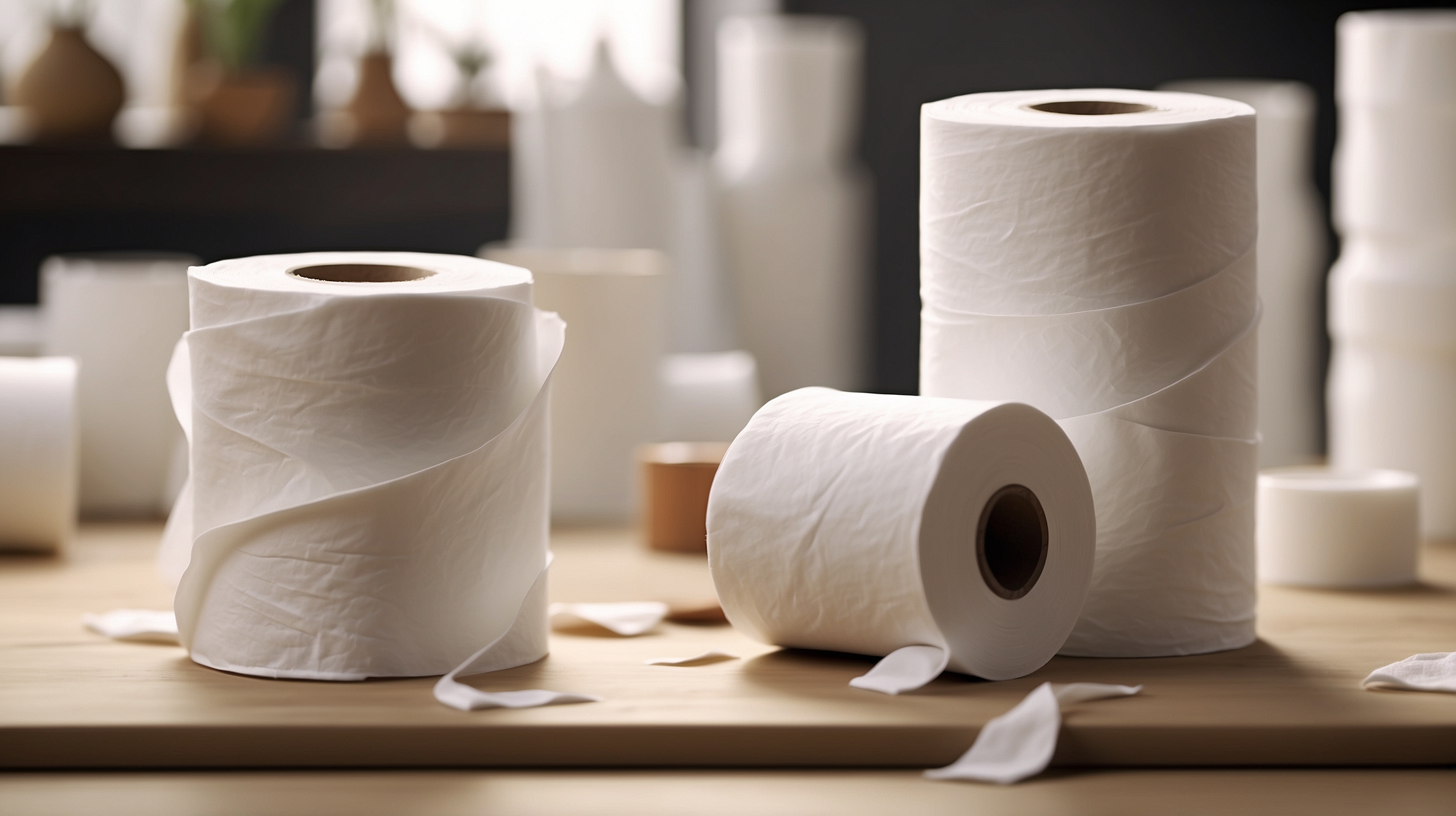
In a country renowned for its technological sophistication, where bullet trains glide seamlessly and robots serve food in restaurants, a surprising site of innovation has emerged: the restroom. More specifically, the humble roll of toilet paper has found itself at the center of a quiet revolution in Japan, challenging global norms and reimagining personal hygiene in the most unexpected way. This isn’t just a novelty or a niche trend—it’s a signal of wider cultural shifts with real implications.
For decades, Japan has led the way with its high-tech bidet-equipped toilets, often viewed with fascination and envy by foreigners. But while the toilet itself evolved, the paper remained stuck in time. That’s changing. A recent innovation has pushed Japanese manufacturers to re-engineer toilet paper, not merely for comfort or environmental sustainability, but to meet a broader cultural and practical need that few anticipated. So what exactly changed, and what does this mean for the rest of the world?
This new wave of innovation started quietly, emerging amid a mix of cultural, environmental, and logistical pressures. Yet now, it’s sparking conversations from bathroom stalls to boardrooms—and is likely to influence how toilet paper is made, marketed, and used in the decades to come.
How Japan is transforming toilet paper from basic to breakthrough
| Key Aspect | Details |
|---|---|
| Innovation Type | Compact triple-ply toilet paper rolls |
| Main Benefit | Smaller packaging, more paper per roll |
| Environmental Impact | Reduces plastic and paper waste |
| Target Market | Urban households, disaster preparedness, healthcare |
| Companies Involved | Major Japanese paper manufacturers |
What led to this surprising innovation
In Japan, where urban space is at a premium and retail logistics are honed to perfection, manufacturers constantly search for ways to make everyday products more compact and efficient. Enter the triple-ply compact toilet paper roll: a 30-meter roll condensed into a traditional-sized core, offering more paper and fewer changes without expanding the physical roll size.
Factors like the COVID-19 pandemic heightened the need for preparedness—families across the country began stockpiling daily essentials, sparking shortages and redefining consumer expectations. This became particularly important in a nation prone to natural disasters, where having enough toilet paper in emergency kits became a government recommendation.
Why this matters more than you’d think
Japan’s compact triple-ply rolls aren’t just about saving shelf space. The thinner, longer rolls require fewer plastic wraps, reducing packaging waste. And because shipping becomes more efficient, carbon footprints go down, aligning with Japan’s sustainability targets as part of its global environmental commitments.
Consumers also benefit from requiring fewer roll changes, which matters especially in shared public facilities, hospitals, or elderly care centers where hygiene and labor costs are ongoing concerns.
“This isn’t only a technological upgrade—it reflects how Japan tackles hidden inefficiencies in the supply chain.”
— Keiko Tanabe, Consumer Goods Analyst
Who’s adopting the compact roll innovation first
Urban areas in Tokyo, Osaka, and Nagoya are rapidly adopting this new format. Convenience stores and pharmacies have started stocking compact triple-roll packs to meet demand from both residential buyers and institutional clients. Hospitals and elderly care homes particularly appreciate the functional benefits, especially staffing and reduced reloading frequency.
Large retailers are even adjusting shelving and inventory logistics. As adoption spreads, manufacturers are investing in newer roll-compressing technologies to scale production nationwide and eventually, abroad.
Real-world scenarios where the new toilet paper excels
The benefits are not just theoretical. In disaster-prone areas like Hokkaido and Kumamoto, families are incorporating compact rolls into emergency kits due to their storage-friendly size. Meanwhile, commercial office buildings are seeing fewer complaints and maintenance requests thanks to longer-lasting rolls in restrooms.
In family homes with toddlers or elderly care where assistance is needed, ease of handling and fewer roll changes make this more than just a convenience—it becomes a quality-of-life improvement.
“We changed to the new rolls last month. Now we use half the amount and haven’t run out halfway through the day.”
— Hiroshi Matsuda, Office Building Facilities Manager
Global implications of a local change
What began as a quiet change in Japanese supermarkets is now being watched closely by global sanitation and paper product companies. Importers in Taiwan and South Korea have begun asking for samples, while European brands are now researching how to apply similar space-saving models with their own paper quality standards.
Even more interestingly, discussions around eco-certification now include logistics efficiency, meaning these space-smart products may qualify for new categories of “green” labeling in export markets.
Winners and those who may fall behind
| Winners | Losers |
|---|---|
| Hospitals and care centers | Brands resistant to innovation |
| Eco-conscious urban consumers | Traditional low-volume toilet paper formats |
| Japanese paper manufacturers | Exporters not adapting to sustainable trends |
What changed this year to push the innovation forward
In 2023, a collaborative government-industry initiative issued new guidelines encouraging companies to develop consumer products that align with carbon neutrality and disaster preparedness. This gave paper manufacturers the green light—and motivation—to commit resources into R&D for more efficient, sustainable paper products.
A major factory in Shikoku even retrofitted two of its production lines to support these compact rolls, signaling a long-term commitment to this new direction.
What consumers are saying so far
Initial market response is optimistic. Industry surveys show that more than 70% of consumers who tried the triple-ply compact format preferred it over standard toilet paper rolls. Reasons cited include fewer changes, better absorption, and perceived cleanliness.
“I didn’t expect something as simple as toilet paper could feel so improved. It’s practical, hygienic, and space-saving.”
— Ayaka Suzuki, Mother and Homemaker
The path ahead for this unexpected innovation
With strong media buzz and consumer interest, Japanese toilet paper manufacturers are exploring advanced materials including biodegradable triple-layer sheets and scent-infused options. Export deals are in early talks, and 2024 may see these compact paper rolls entering shelves in global markets from North America to Europe.
This innovation highlights how ordinary products—when thoughtfully redesigned—can deliver extraordinary improvements. It’s not just a bathroom story; it’s a story about smart, sustainable living.
Frequently Asked Questions
What makes the new Japanese toilet paper different?
The new toilet paper is triple-ply and compact, providing longer-lasting rolls that take up less space and reduce the need for frequent replacements.
Is compact toilet paper more expensive?
While it may cost slightly more per roll, the longer life span and reduced packaging result in overall savings for both consumers and producers.
Can it be used in all types of toilets?
Yes, the new format is designed to fit standard toilet paper holders despite being more tightly wound and denser than traditional rolls.
Is this innovation environmentally friendly?
Yes, it reduces packaging waste, improves transport efficiency, and often uses sustainably sourced paper materials.
Where can I buy the new compact toilet paper?
It is currently available in major Japanese retailers and convenience stores, particularly in urban centers like Tokyo and Osaka.
Will other countries adopt this innovation?
It is likely. With environmental concerns and logistical savings in mind, other global markets are showing interest in adopting similar technologies.
Is the paper still soft despite being compact?
Consumers report high satisfaction with texture and absorbency; the compression hasn’t compromised comfort due to improved material layering techniques.
What does this innovation mean for future hygiene products?
This could inspire new approaches to common goods—highlighting efficiency, sustainability, and smarter design in daily-use products worldwide.