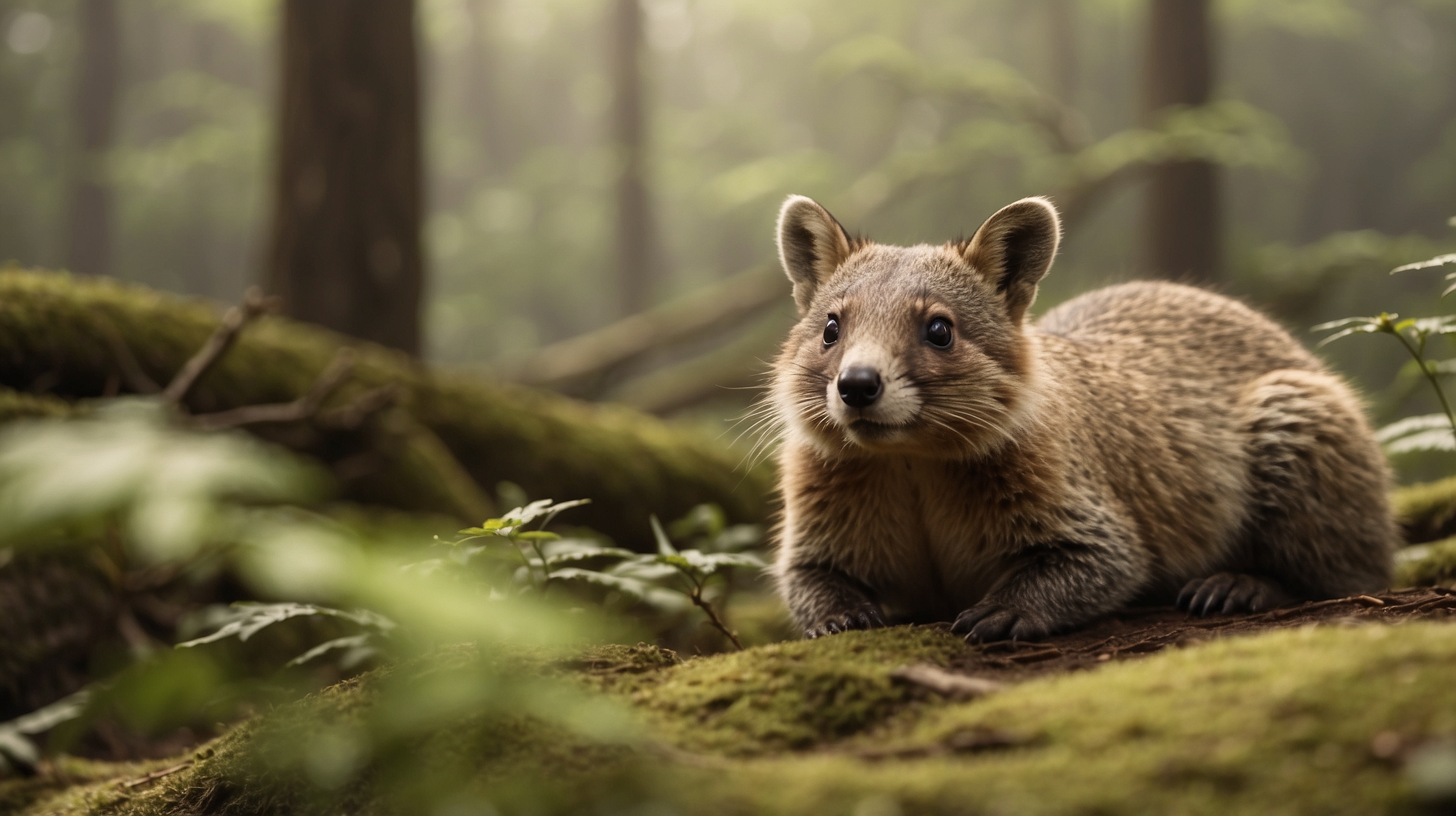
High in the misty mountains of Japan’s rural interior, farmers once lived in close harmony with the land, maintaining fields, forests, and waterways. The purring of agricultural machinery and the laughter of children echoed across slopes that had been tamed over generations. But in recent decades, those sounds have faded. Today, the landscape is changing in eerie and unexpected ways—not because of human growth, but because of its absence.
Japan’s population is shrinking. Villages are vanishing. And while one might assume that fewer people would mean a boom for wildlife and nature’s quiet recovery, the reality offers a startling contradiction. In regions once cultivated by aging farmers, invasive species are spreading, forests are becoming fire-prone, and some native species are declining faster than ever. This counter-intuitive ecological transformation is raising a chilling question for conservationists worldwide: What happens when people leave?
This story focuses on Japan’s “satoyama”—regions of semi-managed landscapes crafted by centuries of human stewardship—now facing abandonment. As global demographics shift and more nations face demographic decline, the Japanese experience offers a critical cautionary tale about how depopulation impacts the environment in ways we’re only beginning to understand. And the implications are global.
Population decline and its unexpected effects on ecosystems
| Key Aspect | Details |
|---|---|
| Topic | Impact of human depopulation on ecosystems |
| Geographic Focus | Japan’s rural regions |
| Central Concept | Human presence as a force of sustainable stewardship |
| Main Impact | Biodiversity disruption, invasive species, unmanaged landscape shifts |
| Broader Implication | Future ecological challenges in other aging nations |
What changed this year
Japan’s declining birthrate has been public knowledge for decades, but 2024 marked a significant turning point. For the first time, the Ministry of Internal Affairs reported that the rural population shrunk at an accelerated pace—over 1.2% drop in just one year in some prefectures. Entire communities became ghost towns. Public services were halted. Agricultural plots—once maintained with precision—turned into overgrown thickets.
This mass demographic exit is not just a social or economic issue. It upended a delicate ecological balance that had existed for centuries. These landscapes—referred to as satoyama—are not untouched nature but hybrid ecosystems that flourished under constant human attention. “The land was never wild, nor completely tamed,” explains Dr. Keiko Masuda, an ecological anthropologist. “It evolved based on a partnership between people and nature.”
Why fewer people doesn’t mean more wildlife
It might seem logical to assume that as humans withdraw, wild animals reclaim their habitats. Initially, this does happen: bears and boars have returned to the outskirts of abandoned towns, and previously shy bird species are nesting closer to human structures. But early optimism obscures more nuanced dangers.
Without farmers tilling rice paddies or maintaining irrigation canals, water stagnates—leading to mosquito blooms and erosion. Invasive plant species thrive in abandoned fields and choke out native flora. The structured ecosystems collapse without guidance, paving the way for aggressive species to dominate.
The land doesn’t ‘revert’—it transforms, and not always in a good way.
— Dr. Keiko Masuda, Ecological Anthropologist
Additionally, many animals depend on habitat mosaics that farmers unwittingly maintained: open fields, shrubby margins, and tree lines. Without this diversity of micro-environments, those species decline, even though there are “fewer people.” This is the paradox—depopulation is not synonymous with ecological recovery.
How cultural landscapes shaped biodiversity
The sustainable use of land by humans over generations created some of Japan’s richest habitats. Especially in satoyama regions, the rhythm of logging, rice farming, charcoal burning, and seasonal rotation allowed a variety of species to coexist. Fireflies, frogs, and raptors thrived in this patchwork environment.
Now, those same regions are transforming. Conifers planted for timber decades ago are overgrown and fire-prone. Diverse undergrowth is being crowded out. “Wild deer populations are rising unchecked and damaging native vegetation,” adds Hiroki Tanaka, a conservation biologist with over 20 years of field data. “In some regions, native orchids and ground-nesting birds are disappearing.”
Nature thrived because of humans—not despite them.
— Hiroki Tanaka, Conservation Biologist
The global implications of rural depopulation
Japan may be ahead of the curve, but it is not alone. Countries like South Korea, Germany, Italy, and even parts of the U.S. are experiencing slowing growth, aging populations, and rural flight. What’s happening in Japan could become a preview of sweeping ecological shifts elsewhere.
As traditional human land uses vanish, conservationists are faced with hard choices: Should we intervene and manage depopulated areas like before? Should we let nature “re-wild” at its own pace, even if that includes ecological collapse and biodiversity loss? Or should we actively restore lost human-environmental relationships?
Warning signs are clear. In regions where no one is left to manage trails, clean creeks, or maintain firebreaks, disasters are more likely. Already, prefectures in Japan have experienced landslides and devastating wildfires in formerly serene, sparsely populated zones.
Experts call for integrated conservation planning
Japan’s case is rapidly shifting conservation thinking. Sustainable land-use models that factor in low-density human presence are gaining attention. Some regions are now recruiting eco-volunteers—not just to count species, but to take up lanterns and scythes, learning old traditions to keep landscapes functional and biodiverse.
New policies are investigating tax incentives for rural stewardship, land-use training, and community-led environmental management. “We must recognize that cultural and natural heritage are intertwined,” says Naomi Koyama, a community ecologist in Gifu. “You cannot have one without nurturing the other.”
We need conservation that includes the human story, or we risk preserving nothing at all.
— Naomi Koyama, Community Ecologist
Who wins and who loses in this transformation
| Group | Gains | Losses |
|---|---|---|
| Invasive Species | Expanded range, fewer predators | None |
| Native Wildlife | Initial space expansion | Long-term habitat degradation |
| Local Communities | Reduced social burden short-term | Loss of traditions, land ownership complications |
| Government | Lower budget allocation for depopulated zones | Increased disaster management costs |
| Environmental Scientists | New research opportunities | Challenging conservation dynamics |
Why this matters now more than ever
With the world facing climate change, urban migration, and aging societies, sustainability can no longer mean simply withdrawing from the land. The Japanese case suggests we must include people—even disappearing ones—in our framework for protecting nature.
Leaving land to return to “wilderness” without oversight may undermine biodiversity, resilience, and cultural heritage. The next generation of conservation needs more than fences and protection zones—it needs rakes, traditions, and perhaps, old farmer’s diaries.
As policymakers elsewhere consider rewilding or reducing rural settlements, Japan issues a soft, haunting echo: beware the vacuum left by people, for nature will not automatically keep the balance we took centuries to build.
Frequently asked questions
Why does rural depopulation harm biodiversity?
As people leave, the managed ecosystems fall into neglect, allowing invasive species to thrive and reducing the habitat diversity that many native species depend on.
What is a satoyama landscape?
Satoyama refers to traditional rural areas in Japan where human activity and nature coexist in a balanced, sustainable way, supporting diverse ecosystems through regular use.
Is rewilding a viable solution?
Rewilding may work in some contexts, but without structured oversight, it can lead to ecosystem collapse or dominance by a few aggressive species, reducing biodiversity.
How is Japan addressing abandoned rural areas?
Japan is exploring ecological volunteerism, rural subsidies, and cultural conservation programs to keep land both biodiverse and culturally meaningful.
Which animals benefit from human absence?
Certain invasive species and adaptable generalists like wild boar or deer benefit initially, but long-term ecological damage affects overall biodiversity.
Can other countries learn from Japan’s experience?
Yes, aging nations with shrinking rural populations can closely study Japan’s model to proactively plan for balanced ecosystem futures with human involvement.
Is depopulation a global trend?
Yes, many developed nations are seeing population stagnation or decline, which is beginning to affect ecosystems, urban planning, and agricultural landscapes.
What role do local communities play in conservation?
Local communities carry intergenerational knowledge and have historically managed landscapes sustainably. Their participation is key to long-term environmental stewardship.