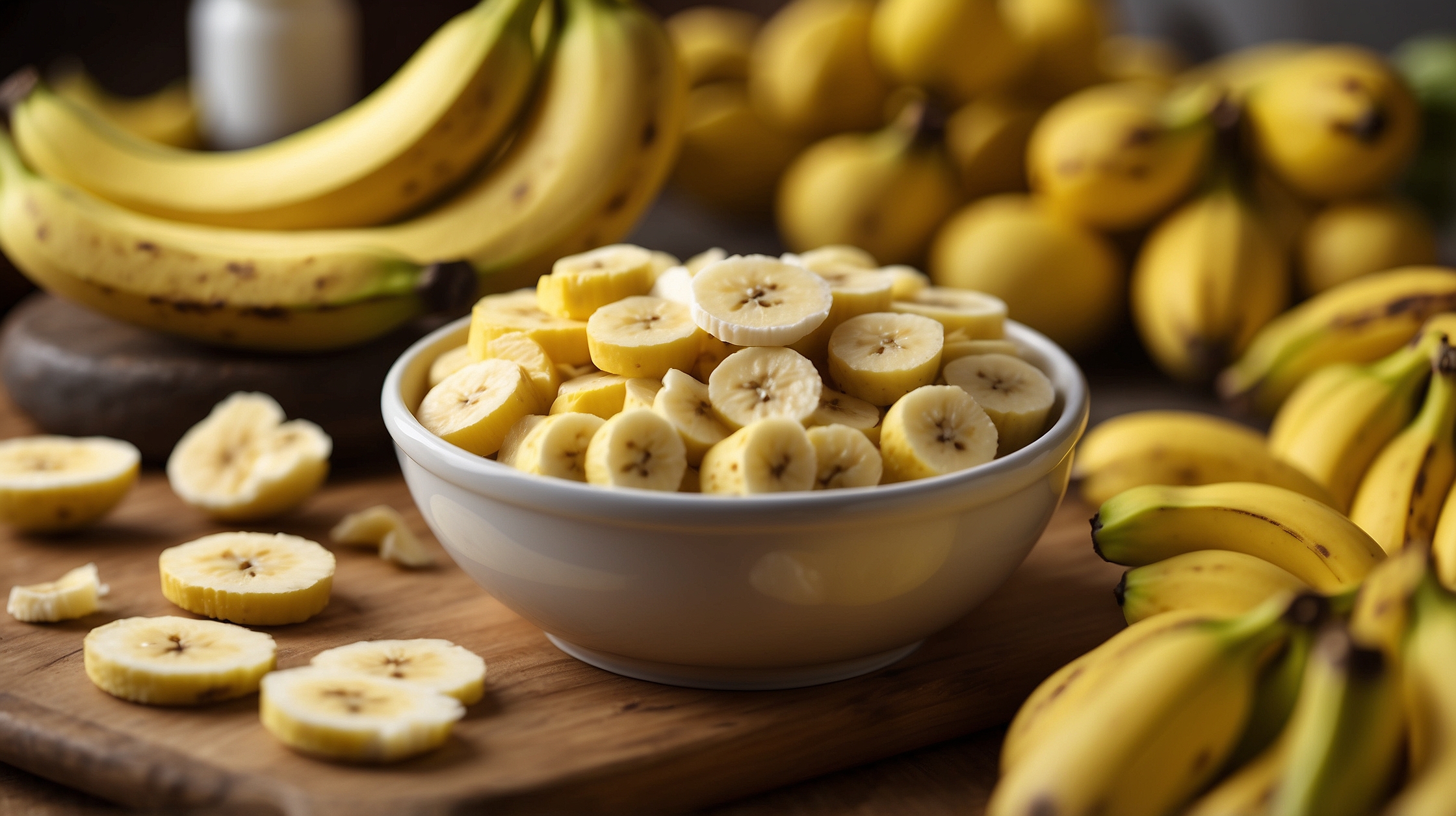
Bananas are a household staple nearly everywhere in the world. Whether served in smoothies, on toast, or eaten right out of the peel, their sweet and creamy flavor appeals to children and adults alike. But while bananas are delicious and nutritious, they come with one frustrating downside—ripening way too fast. From vibrant green to brown and mushy in just a matter of days, their shelf life can feel like a race against time.
For many families, wasted bananas have become a weekly struggle. You buy a bunch on Sunday, only to find them overripe by Thursday. Refrigerating them doesn’t seem to slow the process much, and separating the bananas also has its limits. Fortunately, new findings suggest there may be a surprisingly simple way to keep bananas fresh for longer using a common household item.
What if there were a single trick—easy to apply and practically free—that could double the life of your bananas? Read on to uncover the method that is helping people keep their bananas fresh and yellow for up to two weeks, with barely any added effort.
How bananas ripen and what causes them to spoil
Bananas are climacteric fruits, meaning they continue to ripen after being harvested. This ripening process releases ethylene gas, a natural plant hormone that speeds up enzymatic activity, causes starches to turn into sugars, and eventually leads to the browning and softening of the banana’s skin and flesh.
The rapid spoilage is especially common when bananas are stored in a fruit bowl with other fruits, like apples or tomatoes, which also emit ethylene gas. Warmer temperatures accelerate this process, meaning bananas stored at room temperature will ripen much faster than those kept cooler.
Many people are familiar with traditional tips: hanging bananas on a hook, separating them from the bunch, or keeping them away from direct sunlight. These can help, but even they often fail to preserve the bananas for more than a few extra days. But now, experts are pointing to an unexpected helper—**plastic wrap**.
Overview of the banana-preserving technique
| Aspect | Details |
|---|---|
| Technique Name | Plastic Wrap Banana Stem Method |
| Main Item Used | Plastic wrap or cling film |
| Purpose | Slows down ethylene gas release to preserve freshness |
| Expected Shelf Life | Up to 14 days for unripe bananas |
| Best Time to Apply | Immediately after purchase |
| Storage Location | Room temperature, away from sunlight |
How plastic wrap can double banana freshness
The key to extending banana longevity lies in addressing the ripening process at its source—the stem. The top of the banana bunch is where the most ethylene gas is released. By wrapping the stems tightly in **plastic wrap**, you can trap some of this gas, reducing its circulation among the bananas in the bunch. This slows down the chain reaction that ripens the bananas prematurely.
This method is simple to apply. Take a small piece of plastic wrap and tightly cover the crown of the banana bunch—the area where all bananas are attached. Some experts recommend wrapping each banana stem individually for even better results, though this may be more time-consuming.
“Ethylene gas accelerates ripening. By minimizing its spread, you’re significantly delaying the spoilage process.”
— Dr. Lintha Parameswaran, Food Preservation Specialist
Why this technique works better than refrigeration
Refrigerating bananas has long been promoted as a way to keep bananas fresh, but it’s something of a double-edged sword. The cold environment can slow internal ripening, but it also causes the skin to darken rapidly and unevenly. This makes them look spoiled even when they’re perfectly edible inside. In contrast, using **plastic wrap at room temperature** preserves the banana’s yellow sheen and slows down ripening more naturally.
Importantly, this technique doesn’t require you to change how or where you store your bananas. The crown-wrapping method is passive, silent, and unobtrusive, giving consumers the power to keep their bananas fresher without additional clutter or complex procedures.
How to apply the plastic wrap banana method step-by-step
- When you bring bananas home, inspect the stem area that connects the bananas—you’ll wrap this area.
- Cut a small square of plastic wrap or cling film, approximately 3 to 5 inches long.
- Wrap the stems of the banana bunch tightly, ensuring no gaps remain where gas can easily escape.
- If possible, separate each banana and wrap stems individually for maximum freshness.
- Store bananas away from other ethylene-producing fruits and avoid direct sunlight exposure.
“This method is a game-changer for families who juggle budgeting and food waste. It costs literally nothing and works surprisingly well.”
— Kaleena Martin, Nutritionist and Food Waste Advocate
Other tips to extend banana freshness even further
- **Hang your bananas** on a banana tree or hook to improve air circulation.
- **Separate the bananas** if they are already ripening at different speeds.
- **Place them in a cool, dry spot**—never near the stove or heating appliances.
- **Use a produce bag with holes** to balance humidity while allowing airflow.
These measures can be used alongside the plastic wrap method for best results. Combining techniques creates a synergistic effect, slowing down both the ripening and the external browning processes.
The growing importance of reducing household food waste
It’s estimated that nearly **30% of all fruit purchased by households is wasted**, with bananas topping the list due to their short shelf life. Small practices like stem-wrapping not only save people more money, but they also contribute to reducing environmental strain caused by food production and trash disposal.
Food waste is a global issue, but progress starts in the home. Implementing an eco-friendly, low-cost trick like this one can go a long way toward making everyday household habits more sustainable.
“Preventing food waste one banana at a time might seem small, but millions of homes doing the same creates a big impact.”
— Dr. Enzo Harrington, Environmental Scientist
Frequently asked questions about extending banana shelf life
What is the best way to wrap banana stems?
Use a small square of plastic wrap or cling film and tightly secure it around the banana crown where all the stems meet. For extra protection, wrap each banana stem individually.
Does wrapping banana stems really work?
Yes, it significantly slows down the release and distribution of ethylene gas, which in turn delays ripening and keeps bananas yellow and firm for much longer.
Can I still refrigerate bananas with wrapped stems?
Yes, but it is best to use the plastic wrap method with room temperature storage. Refrigeration often discolors the peel while leaving the fruit edible inside.
How long will bananas last using the plastic wrap trick?
When stored properly with wrapped stems, bananas can stay fresh and yellow for up to 10–14 days, depending on ripeness at purchase.
Can I use other materials instead of plastic wrap?
Aluminum foil or beeswax wrap may also work, but plastic wrap provides the tightest seal and highest reliability in trapping ethylene gas.
Do I need to remove the wrap before eating the banana?
Yes, simply peel the wrap off the stem before consuming. The wrap will not affect the taste or safety of the banana fruit inside.
Should I wrap bananas right after buying them?
Absolutely. Early application of the wrap is key to delaying the ripening process and maximizing shelf life.
Does this method work for other fruits?
This specific method targets bananas, but some fruits like avocados and mangos may benefit from similar ethylene-trapping methods.