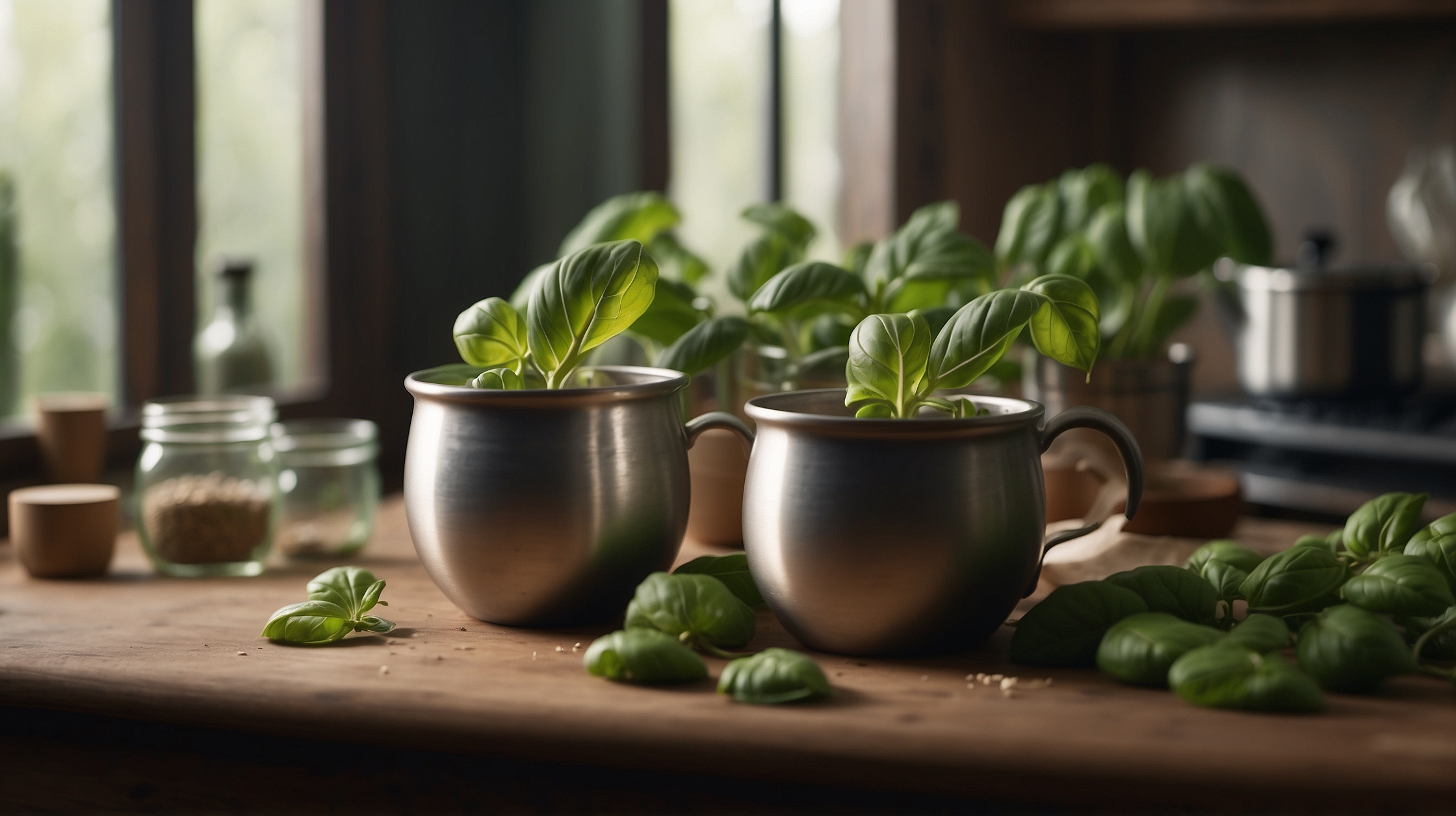
On a sunny morning in a cozy city apartment, Sarah sat sipping her coffee, admiring her little kitchen herb garden. She had tried growing basil many times before, only to watch it wilt and wither with disappointment. But this time, the vibrant smell of fresh basil leaves filled the room, and she couldn’t help but smile. What changed? It wasn’t magic — it was a simple, accessible trick involving a mug, a second pot, and a garden-pinching habit that anyone could adopt.
Urban gardening has surged in popularity, with many turning their kitchens into miniature greenhouses. Yet, basil, one of the most beloved kitchen herbs, continues to be notoriously difficult to keep alive indoors. From overwatering to underexposure to light, the pitfalls abound. But what if just a shift in positioning and routine could lead to thriving basil all year long? Enter the practical and surprisingly effective “double pot water mug” method.
This technique is transforming how basil is grown indoors, providing consistent hydration while preventing root rot—a common downfall in potted herbs. Let’s dive into why this method works, how to do it, and the key role of a seemingly minor daily ritual: the basil pinch.
How the double pot water mug trick works
| Feature | Details |
|---|---|
| Technique Name | Double Pot Water Mug Method |
| Materials Needed | Clay pot, large mug or bowl, water, basil plant |
| Main Benefit | Consistent hydration without overwatering |
| Additional Care | Daily light pinching of top leaves |
| Sunlight Needed | At least 6 hours of indirect sunlight |
| Suitable For | Indoor basil growth throughout the year |
Why basil struggles indoors for most home growers
Despite its culinary appeal, basil is a high-maintenance herb when grown inside. Lack of direct sunlight, fluctuating room temperatures, and inconsistent watering contribute to its finicky nature. Most beginner gardeners assume that watering a potted plant every other day is enough. But basil roots are sensitive — they need moisture, yes, but not pooling water.
Clay pots, while breathable and excellent for herbs like basil, are also porous. This means water evaporates faster, sometimes making it difficult for roots to stay steadily hydrated. The problem intensifies if the plant is left sitting in water, leading to root rot and ultimately killing the plant. Understanding this delicate balance is essential, and that’s where the double pot trick becomes a game-changer.
The role of the double pot in hydration
In this method, the clay pot with drainage holes is placed inside a slightly larger container like a ceramic mug or deep bowl filled halfway with water. The principle here is simple: capillary action. The clay pot naturally absorbs water from the outer container through its porous structure, feeding moisture upward to the soil but never overwhelming it.
This slow and steady moisture source gives basil everything it needs without waterlogging it. Think of it as a self-regulating reservoir. The added bonus? This setup takes the guesswork out of watering frequency for most growers.
Why the daily basil pinch is crucial
While consistent hydration lays the groundwork, thriving basil truly depends on daily interaction. Regularly pinching the top sets of leaves (or flower buds) triggers the plant to refocus energy from vertical stem growth to horizontal leaf development. This makes the plant bushier, healthier, and dramatically more flavorful.
“You want to remove the center set of leaves to encourage branching — it’s like pruning a tree, but in miniature.”
— Linda Morrow, Urban Gardener & Herb Specialist
Just one gentle pinch a day, preferably in the morning, kickstarts this natural process. It also prevents unintentional blossoming, which can cause the leaves to turn bitter. When done consistently, you get a patio-worthy basil bush that keeps giving.
Other key factors that help basil thrive indoors
The double pot method and daily pinching are powerful, but there are other must-haves in this herb-care recipe:
- Sunlight: Basil loves well-lit windowsills—opt for south or west-facing windows that offer consistent light.
- Temperature: Keep the room between 65°F to 75°F. Basil is sensitive to cold drafts and temperature drops.
- Pruning Schedule: Perform a more substantial trim once a week to maintain shape and flavor.
- Humidity: If your home is dry, mist the plant every few days or keep a dish of water nearby for ambient humidity.
The science behind consistency over intensity
Successful plant care boils down not to the intensity of actions but their repetition. This applies strongly to basil. The plant thrives under sustainable, rhythmic habits more than sporadic, heavy watering or chaotic placement. With the double pot method feeding moisture consistently and leaf pinching sharpening its growth direction, basil transforms into a low-maintenance indoor star.
“Whether you’re in a city apartment or a suburban kitchen, the trick lies in committing to small routines rather than chasing perfection.”
— Dr. Eleanor Ray, Plant Biologist
Benefits of this method compared to traditional watering
| Aspect | Traditional Watering | Double Pot Water Mug Method |
|---|---|---|
| Water Consistency | Inconsistent; risk of over/under watering | Consistent moisture via capillary action |
| Root Health | Risk of root rot | Well-aerated, gentle hydration |
| Maintenance Required | Frequent checks | Low maintenance with regular topping-off |
| Growth Outcome | Leggy, bitter plants | Bushier, abundant foliage |
How to set up the double pot system at home
Ready to build your basil success story? Follow these easy steps:
- Choose a clay pot with drainage holes—medium-sized is ideal.
- Fill it with high-quality potting mix and plant your basil starter.
- Select a slightly larger ceramic mug/bowl to serve as the outer container.
- Place the clay pot inside the mug. Fill the mug with about 1 inch of water.
- Check water levels every 2-3 days and top off as needed.
- Pinch the basil daily, especially when you see new center leaves forming.
Common mistakes and how to avoid them
- Too much direct sunlight: While basil loves light, too much direct afternoon sun can scald the leaves indoors.
- No air circulation: Basil in stagnant air tends to mold. Use a small fan occasionally to create airflow.
- Incorrect pot size: A pot that’s too large will retain excess moisture leading to root rot.
Frequently Asked Questions
How often should I refill the outer mug with water?
Generally, every 2–3 days. Keep an eye on water levels to ensure consistent wicking to the inner pot.
Can I use this method for other herbs besides basil?
Yes, herbs like mint, oregano, and thyme can also benefit from the same hydration setup.
What if I see mold developing on the soil?
Improve airflow, reduce excess humidity, and scrape off any mold on the surface without disturbing roots.
Why is pinching the basil necessary?
Pinching prevents the herb from flowering and encourages bushier, more flavorful growth.
Is this method feasible during winter months?
Yes, as long as the plant receives sufficient indoor light and protection from drafty windows.
Can I grow basil from seeds using this method?
Certainly. Start seeds in the clay pot and transfer it to the water mug setup once the sprout develops true leaves.
Do I need to add fertilizer when using this setup?
Optional, but a diluted organic fertilizer once a month can boost growth. Avoid overdoing it to maintain flavor integrity.
What type of water is best for basil?
Room temperature filtered or tap water is fine, just avoid chemically soft water high in salts.