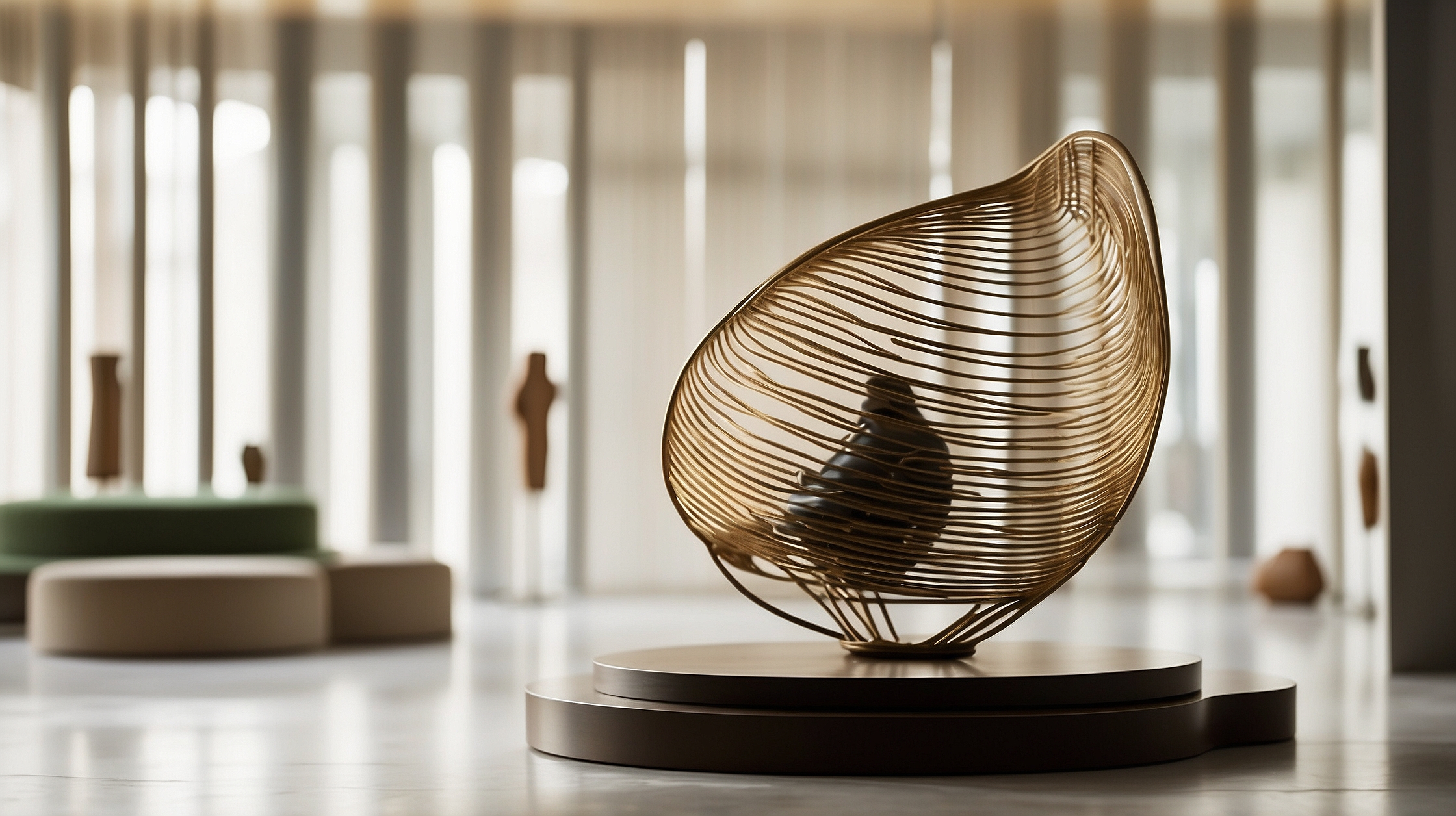
In a twist of fate that seems pulled from the script of a mystery film, a long-lost masterpiece by modernist sculptor Harry Bertoia has resurfaced after being missing for over four decades. The art world is abuzz as collectors, historians, and enthusiasts turn their spotlight on the recently rediscovered sculpture — an ethereal, sound-emitting piece believed to have been lost since the 1980s. The story is as remarkable as the piece itself: a blend of family history, serendipity, and unwavering dedication to preserving cultural legacy.
Bertoia, a seminal figure in 20th-century sculpture and design, is best known for his sound sculptures — installations that marry visual artistry with harmonic resonance. The reappearance of this lost sculpture not only revives public interest in Bertoia’s work, but also casts light on the complex and often perilous journeys many artworks undertake across generations. Unearthed from a warehouse and promptly returned to its rightful place in the art world, the sculpture symbolizes hope and redemption in the realm of modernist masterpieces.
The fortunate rediscovery offers a new chapter in Bertoia’s artistic narrative, while also raising pointed questions about art ownership, preservation, and the hidden treasures that may still lie forgotten across the globe. As the sculpture is reintroduced to audiences, both old and new, it promises to reignite curiosity and admiration for a visionary who redefined the intersection of sound and form.
An overview of the sculpture’s astonishing return
| Artist | Harry Bertoia |
| Artwork Type | Sonambient Sound Sculpture |
| Material | Beryllium copper rods on tonal base |
| Estimated Date Created | 1970s |
| Rediscovered | 2024 |
| Location Found | Warehouse in California |
| Current Status | Returned to Bertoia family and catalogued |
A mysterious disappearance that puzzled a generation
The sculpture had been part of a private art collection but disappeared in the early 1980s following a series of estate settlements. Though believed to have been misplaced or sold off, no definitive record of the transfer existed. Over the years, its whereabouts became a topic of whispered speculation among art circles, particularly among scholars and collectors of Bertoia’s famed “Sonambient” series.
Its eventual location — deep within a California storage unit — surprised even those closest to the case. According to family members, a tip-off from a former gallery assistant led to the discovery. What they found wasn’t just a sculpture, but a time capsule of Bertoia’s creative essence: unaltered, unbroken, and still melodious in its whispering tones.
A closer look at Harry Bertoia’s sonic legacy
Harry Bertoia’s “Sonambient” sculptures are unique in the contemporary art landscape. Unlike static sculptures, his pieces are meant to be touched, played, and heard. Constructed from metal rods and welded with precision, they emit harmonic vibrations when interacted with — a feature that turns each piece into a multisensory experience.
In the 1960s, Bertoia converted a barn in rural Pennsylvania into his dedicated Sonambient studio, recording dozens of albums using the sounds his sculptures produced. This fusion of sound and sculpture not only mesmerized audiences but also spawned a niche collector base that remains active to this day. Owning an original Sonambient piece is to possess a slice of avant-garde history.
This isn’t just steel and copper — it’s a symphony forged into form.
— Elena Marquez, Modern Art Historian
How the piece was verified as authentic
Once recovered, the sculpture underwent a series of verifications to confirm its authenticity. Experts compared weld patterns, patina, rod thickness, and even the tonality of sound emission to ensure it matched other known Bertoia works. The Bertoia Estate, led by the artist’s son Val, confirmed the piece using archival photographs and notes kept by Harry during his working years.
Its serial number, subtly etched on a tonal plate base, matched documentation from a private catalogue maintained since the 1970s. The instant consensus among conservators and family members eliminated any doubt: this was an original Bertoia, thought to be extinct, temptingly restored to memory.
The rediscovery is akin to finding a lost movement in a Beethoven symphony.
— Lillian Worth, Art Appraiser and Authenticator
Why the sculpture’s return matters to the art world
Art experts agree that this rediscovery is more than a personal recovery for the Bertoia family—it’s a significant cultural event. In an age where digital art and AI-generated pieces dominate gallery conversations, the return of this organic, interactive sculpture is a resounding callback to the sensuality and spirit of physical craftsmanship.
Collectors are reacting enthusiastically, noting that Bertoia’s work has appreciated dramatically in value over the past 15 years. Institutions are already vying to display the sculpture in upcoming retrospectives. For younger audiences unfamiliar with tactile art, this may serve as a gateway into the kinetic and participatory ethos that was central to Bertoia’s philosophy.
It’s a rare moment when history hands us back something it once took away.
— Samuel Greene, Gallery Curator
The debate on private versus public ownership
While the sculpture currently resides with the Bertoia family, discussions are ongoing about whether the piece should be donated to a museum or kept in private hands. This issue has sparked broader conversations within the art community about stewardship, legacy, and accessibility. Ownership of such a historically valuable artefact is more than a matter of possession—it’s a responsibility to share culture with future generations.
Some experts advocate for donation to a major museum, where preservation is guaranteed and the sculpture can reach maximum audience exposure. Others argue that the familial connection adds important context and should be preserved as part of the Bertoia lineage.
Winners and losers in the sculpture’s rediscovery
| Winners | Losers |
|---|---|
| Art historians and collectors gaining valuable insight | Unauthorized art sellers who may have held stolen items |
| Museums and institutions seeking feature-worthy displays | Past owners who lost or misplaced the piece |
| The Bertoia family reclaiming lost legacy | Speculators hoping for anonymity in selling rare art |
What could still be out there waiting to be found
The discovery has reinvigorated efforts to locate other missing artworks. It stands as a shining example of what can be achieved through meticulous record-keeping, community involvement, and a bit of fate. Bertoia’s rediscovered sculpture has already sparked new investigations into lost art from the same period, urging experts and amateurs alike to revisit basements, barns, and storage units in search of overlooked treasures.
While the modern art market continues its rapid evolution, the physicality and presence of Bertoia’s sound sculptures offer a grounding influence — a reminder of art’s power to resonate, literally and metaphorically, across time.
Short FAQs about the rediscovered Harry Bertoia sculpture
What is a Sonambient sculpture?
A Sonambient sculpture is a sound-generating artwork created by Harry Bertoia using metal rods that produce tones when touched or moved. These are part of his exploration into combining sculpture with acoustics.
How long was the sculpture missing?
The sculpture had been missing for over 40 years, believed to be lost since the early 1980s.
Where was the sculpture found?
It was discovered in a warehouse storage unit in California after a tip-off from someone familiar with Bertoia’s work.
Is the sculpture in good condition?
Yes, despite its long absence, the sculpture was found intact and still emits sound as originally intended.
Will the public be able to view the sculpture?
Discussions are ongoing, but several museums have already expressed interest in displaying it in upcoming exhibitions.
How was its authenticity confirmed?
The sculpture was authenticated through a combination of physical analysis, family records, and tonal sound signature comparisons by experts and the Bertoia Estate.
What materials are used in Bertoia’s sculptures?
He often used Beryllium copper rods and metal plate bases to craft his sound sculptures, ensuring both durability and harmonic quality.
Why is this rediscovery important?
The sculpture’s return is a significant event for cultural heritage, offering new insights into Bertoia’s work and serving as inspiration for deeper appreciation of tactile, sonic art.