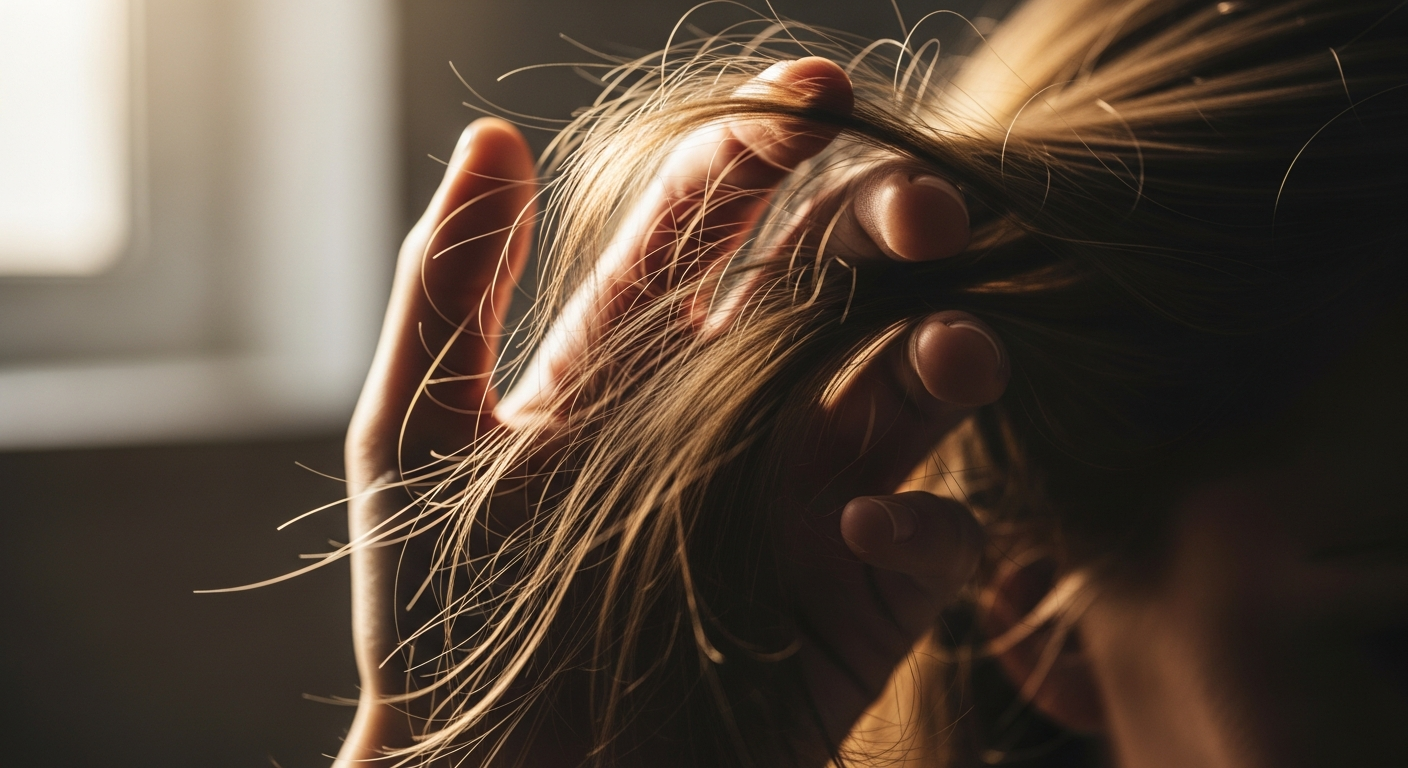
For many women, menopause is a season of both growth and challenge — not just emotionally and hormonally, but also physically. One morning, you may look in the mirror and realize that your hair seems more brittle, thinner, or less manageable than it used to be. You wonder: when did this change begin? Why does it feel like your once-lustrous locks have transitioned along with your body?
As it turns out, the journey through menopause doesn’t only affect the internal systems of the body; it also deeply influences the structure and health of your hair. From dryness at the roots to increased frizz and even patchy thinning, these visible signs reflect a deeper biological story. Understanding this connection can help you make informed decisions about how to care for your hair during this transformative phase.
Science is finally catching up with female-specific wellness, and research is uncovering the key hormonal triggers and environmental factors that contribute to hair texture changes in menopausal women. Moreover, knowing which ingredients to avoid in your hair care regime can prevent further dryness and breakage, preserving the vitality of your hair for years to come.
Understanding hair changes during menopause
| Factor | Impact on Hair |
|---|---|
| Estrogen Decline | Reduces sebum (natural oil) production, leading to dryness |
| Increased Androgens | Can cause hair thinning or male-pattern hair loss |
| Chemical Sensitivity | Scalp becomes more reactive, causing irritation or breakage |
| Product Buildup | Hardens strands, reducing flexibility and shine |
| Loss of Melanin | Hair becomes gray, which is naturally drier and coarser |
The science of hormone-driven hair changes
During menopause, your body experiences a steep decline in estrogen and progesterone levels — two hormones intimately tied to hair growth and skin health. These hormones help hair grow faster and stay on the head longer. When they drop, the hair enters a resting phase and sheds more often than it regenerates.
Complicating matters, there’s often a relative increase in androgens (male hormones like testosterone), which can shrink hair follicles and result in finer, thinner strands — especially noticeable around the crown or parting area of the scalp.
Hormonal changes impact sebum production, which leads to drier scalps and more fragile strands. Menopausal women need nourishing, gentle products to restore hair vitality.
— Dr. Elaine Matthews, Dermatologist
Why texture and moisture loss go hand-in-hand
One of the most common complaints during menopause is the noticeable roughness or wiry texture that replaces formerly smooth hair. This is due to reduced oil secretion from sebaceous glands. Without the natural oils to coat and protect their strands, many women report that their hair becomes coarse, brittle, and less manageable.
Even if the hair is not falling out, the change in texture alone can reduce volume and shine, making hairstyles look outdated or “flat.” Additionally, as hair grays — another hallmark of menopause — the loss of melanin reduces elasticity and increases porosity, worsening the dryness.
Ingredients to avoid for healthier menopausal hair
Not all shampoos and conditioners are made the same, and menopausal hair demands a specific kind of care. Many widely available products contain ingredients that can worsen dryness, trigger scalp irritation, or weigh down thinning hair. Here are the top culprits to avoid:
- Sulfates: These harsh detergents (like sodium lauryl sulfate) strip away the little natural oils your scalp has left, leading to increased fragility.
- Alcohols: Short-chain alcohols like isopropanol dry out strands by evaporating quickly, robbing your hair of moisture.
- Parabens and Phthalates: These synthetic preservatives not only disrupt hormones but also contribute to inflammation.
- Silicones: While they provide a temporary silky feel, they coat the hair and lead to product buildup, preventing moisture penetration.
- Heavy Fragrances: These can be irritating for sensitive scalps and may contain hidden chemical allergens.
During menopause, you have to think of your hair like fine silk — every product choice you make either strengthens or degrades it.
— Nina Alvarez, Trichologist
Protective measures that truly work
It’s not only about what you avoid — it’s also about what you add to your hair care ritual. Choose nourishing ingredients and adopt techniques that promote long-term scalp and strand health:
- Use pH-balanced cleansers to avoid throwing off the scalp’s natural acidity.
- Incorporate natural oils like argan, jojoba, and coconut to reinforce the hair’s lipid layer.
- Look for amino acids and peptides in hair masks, which help rebuild keratin bonds.
- Use microfiber towels for drying to reduce cuticle damage.
- Limit heat styling tools or use them at lower temperatures with heat protectant sprays.
When to consult a professional
If you notice dramatic changes such as bald patches, itchy rashes, or excessive shedding that last longer than a few months, it’s time to see a dermatologist or trichologist. Some underlying conditions like thyroid imbalance or nutritional deficiencies (iron, vitamin D, or B12) can mimic menopause-related hair changes and require targeted treatment.
Many women also benefit from hormone replacement therapy (HRT), which can stabilize estrogen levels and indirectly improve hair vitality. However, this option should always be discussed thoroughly with a health professional.
Psychological effects of hair changes
Hair is tied so closely to our identity and confidence, especially for women. The sudden changes during menopause can lead to a sense of loss, lowered self-esteem, and even depression. Talking about these shifts and seeking support — whether through friends, forums, or counseling — can make a significant difference in emotional well-being.
Embracing change doesn’t mean giving up — it means evolving. With greater awareness and the right solutions, menopausal hair can be just as beautiful, vibrant, and free-flowing as ever.
Common winners and losers in hair care during menopause
| Winners | Losers |
|---|---|
| Natural oils (argan, jojoba) | Sulfates |
| pH-balanced shampoos | Alcohol-based sprays |
| Peptide-enriched conditioners | Paraben-laden products |
| Low-heat styling practices | Frequent bleaching or coloring |
Frequently asked questions about menopause and hair texture
What causes hair to dry out during menopause?
Lower estrogen levels reduce oil production on the scalp, leading to drier, more brittle hair strands.
Can menopause cause hair thinning?
Yes, hormonal changes, specifically increased androgens, can cause miniaturization of hair follicles leading to thinning.
Is it safe to color hair during menopause?
Yes, but opt for ammonia-free and low-peroxide formulas. Use nourishing masks to protect hair structure.
Which oils are best for menopausal hair?
Argan, jojoba, and coconut oils are effective for sealing moisture without adding weight.
How often should I wash my hair during menopause?
2–3 times per week using a gentle, sulfate-free shampoo is ideal to retain natural oils.
Do hormone treatments improve hair condition?
In some cases, yes. Hormone replacement therapy (HRT) has shown benefits, but it’s not suitable for everyone and requires medical consultation.
Can diet impact hair quality during menopause?
Absolutely. A diet rich in omega-3s, iron, vitamin D, and protein supports healthy hair growth.
When should I see a professional for hair loss?
If you notice sudden patchy loss, a receding hairline, or persistent shedding beyond six months, consult a dermatologist.